Coffee Varieties Explained: From Origin to Flavor
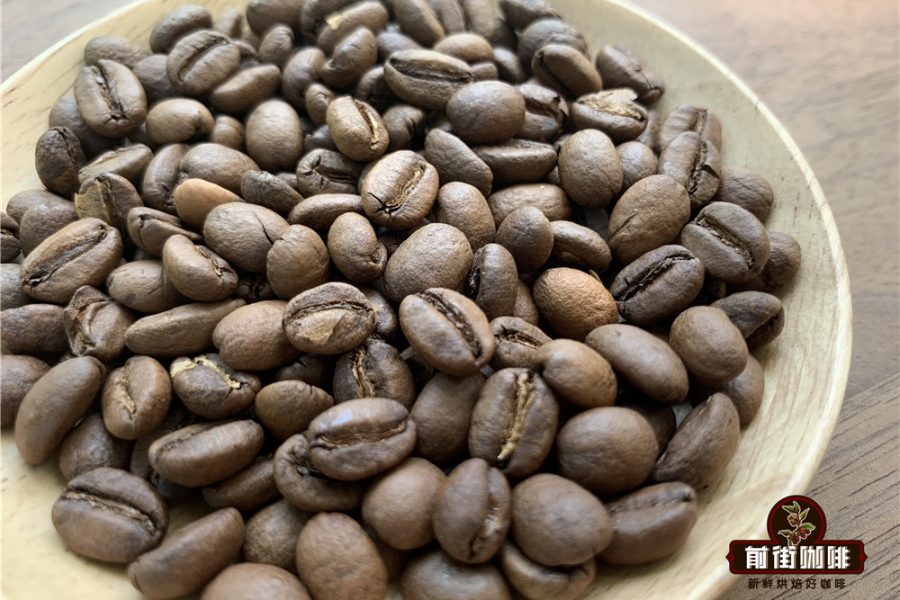
Introduction: Understanding coffee varieties not only helps you choose the beans you love for everyday drinking, but also lets you read the growing story behind the flavor. This article takes a deep dive into the evolutionary lineage of classic Arabica varieties, reveals how altitude and soil shape Kenya's bright acidity and Sumatra's full, mellow finish, and explains how professional buyers judge a coffee's character from its variety label. Finally, it answers why some new varieties focus on disease resistance rather than flavor.
More than sixty percent of the world's commercial coffee varieties can be traced back to two 'ancestors'—Coffea arabica var. arabica and Coffea arabica var. bourbon. Bourbon takes its name from being first planted on a large scale on Réunion Island (formerly Île Bourbon), while the older arabica variety is the foundational mother plant of modern arabica coffee. A well-known example is Typica, which is in fact a direct offshoot of the arabica variety and remains a mainstay in many producing regions to this day.
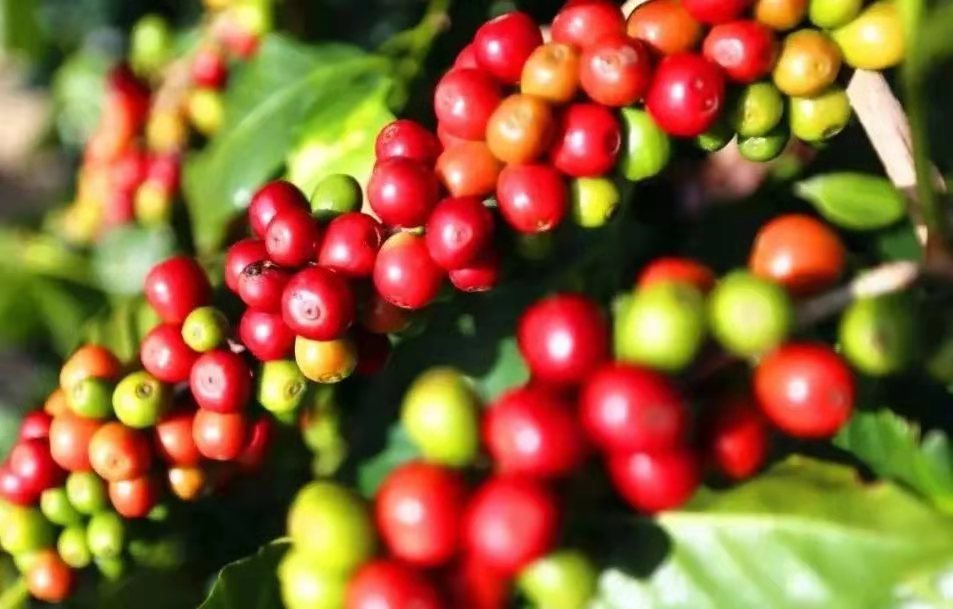
The link between coffee variety and growing region is closer than you might imagine.For every 100 meters of elevation gain, the coffee cherry's ripening cycle lengthens by about 3-5 days, and together with sunlight hours at different latitudes and the mineral composition of the soil (volcanic soil, for instance, is rich in potassium), this ultimately shapes distinct flavor characteristics. Coffee from Kenya's high-altitude regions (1,500-2,100 meters), for example, often has a sharp, tomato-like acidity with berry notes, while Sumatra's lowlands (800-1,200 meters) and their wet-hulled processing give it a heavy profile of earth and cedar.
When buying single-origin coffee, consumers usually expect a pure expression of flavor. Such products clearly state the country (such as Ethiopia), the region (such as Yirgacheffe), or even the specific estate (such as Jamaica Blue Mountain). It is worth noting that 'Blue Mountain' is both a place name and the name of a specific variety (Coffea arabica var. Blue Mountain); this strictly certified variety can only be grown at specific elevations (910-1,700 meters) in Jamaica's Blue Mountain range.
The core goal of modern agricultural breeding of new varieties is often not flavor optimization. Faced with threats such as leaf rust and coffee berry disease, disease resistance (such as Catimor's strong resistance to leaf rust) and yield stability (such as Pacas's short growth cycle) become priority considerations. These 'cultivars' developed through artificial hybridization or genetic selection are fundamentally different from traditional varieties formed by natural mutation, and growers focus more on traits such as suitability for mechanical harvesting or drought tolerance.
The key indicators for distinguishing varieties are hidden in the cupping form: the flavor dimension covers aroma layers such as floral/nutty notes; body describes how full the coffee feels in the mouth; the acidity score measures brightness (the lively feel of citric acid versus the gentleness of malic acid); and the length of the finish reflects how long the flavor persists. Professional buyers also pay attention to differences in caffeine content—Robusta varieties generally contain 2.7% caffeine, while Arabica contains only 1.2-1.5%, which directly affects the speed of chemical reactions during roasting.
For ordinary enthusiasts, it is useful to remember a few typical variety characteristics: Typica has a soft citrus acidity and a black tea finish, making it suitable for pour-over; Bourbon stands out for its sweetness and caramel-like body; Geisha is known for its soaring jasmine and peach aromas, but needs a high-altitude environment to reach its potential. By observing the variety label on the packaging and combining it with information on the origin's altitude, you can more accurately predict the brewing experience.