Ethiopian Harrar vs. Yirgacheffe: Flavor Differences and Processing Basics
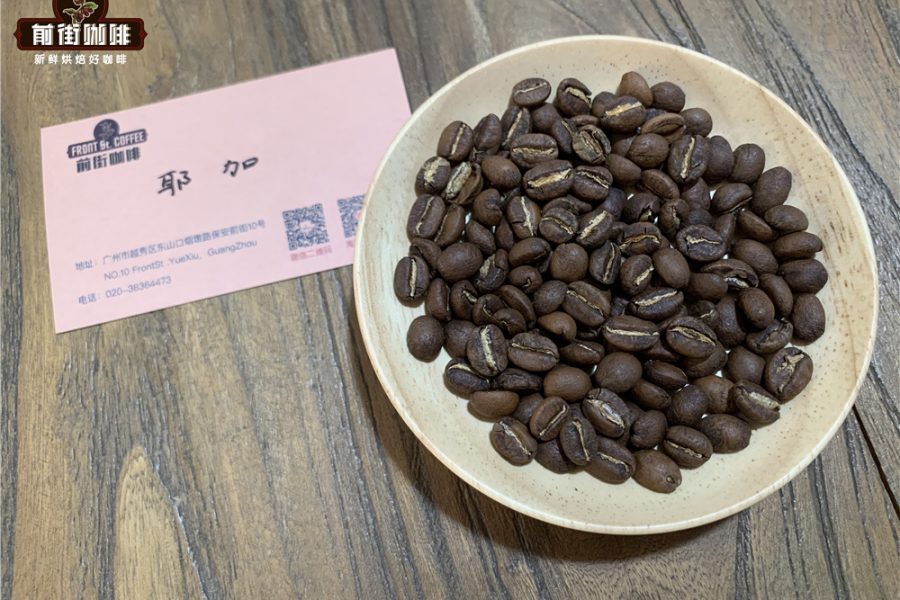
Introduction: Ethiopia, the birthplace of coffee, produces specialty beans of strikingly different styles from its Harrar and Yirgacheffe regions. By comparing the natural and washed processing methods of these two classic bean types, this article explains how fruitiness, acidity, and body are formed, and includes flavor-wheel descriptions and brewing parameter suggestions to help you precisely choose the coffee experience that matches your taste preferences.
In Ethiopia's highland golden growing belt above 1,500 meters, the two major regions of Harrar and Yirgacheffe create the two poles of the flavor spectrum through completely different processing methods. The former uses the traditional natural process, drying the coffee fruit together with the green bean, allowing the sweetness of berries and spice aromas to deeply penetrate the bean; the latter removes the pectin layer through washed fermentation, highlighting a fresh and bright citrus character. These two processing methods not only define the basic personality of the coffee but also directly influence the choice of brewing parameters.
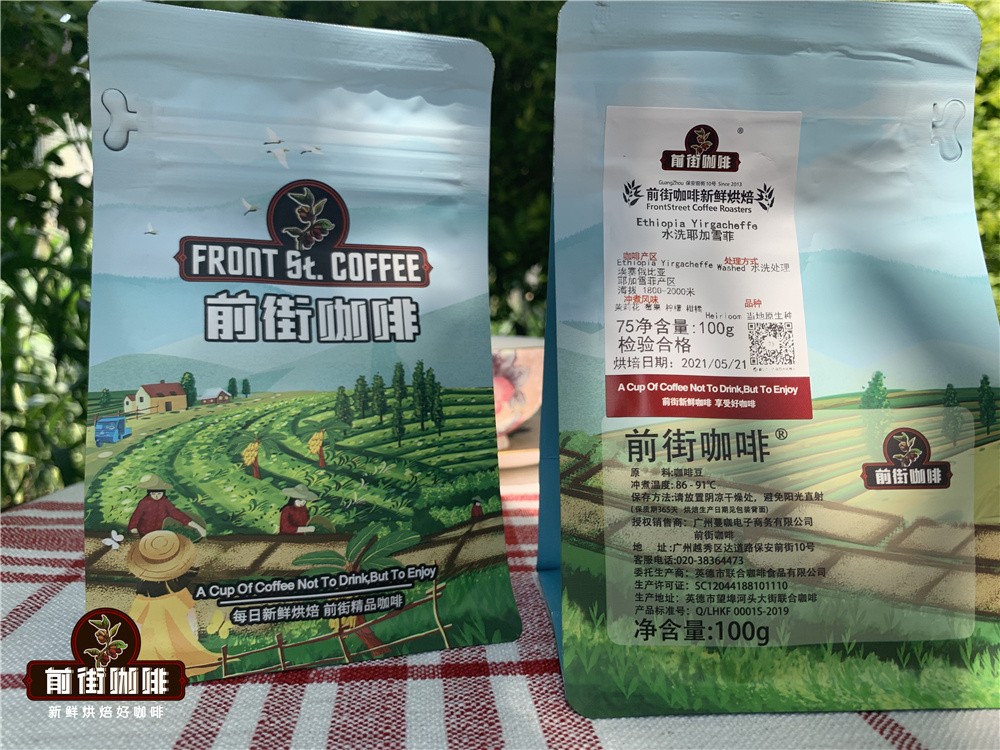
Yirgacheffe washed beans are a textbook example of the citrus family, with their core flavor built around citric acid, accompanied by layered blooming notes of jasmine and white flowers. After strict washing removes the pulp, the green beans have higher density; a water temperature of 90-92°C with a 1:15 coffee-to-water ratio is recommended, and the pouring rhythm during hand brewing should be slow to fully release its signature tea-like finish. Professional cuppers often describe its flavor as "a collision of lime peel and bergamot, with honey sweetness in the finish."
In sharp contrast, Harrar natural beans display a wild, unrestrained wine-red character. During the sun-drying process lasting up to two weeks, the fructose and tannins of ripe coffee cherries gradually penetrate into the endosperm, forming a complex aroma of blackberry, blueberry jam, and cinnamon spice. This rugged style requires higher extraction intensity to handle—recommended use of 93-94°C high temperature, paired with a coarse grind (similar to granulated sugar) and 94-96°C water temperature; a French press or AeroPress better highlights its full body. Experienced roasters remind us that this variety often carries an occasional smoky finish, which is a normal regional characteristic.
Looking at the technical details of processing, the natural method relies on a stable drying environment (daily temperature variation not exceeding 8°C), requiring parchment beans to be spread flat on raised beds and turned 3-4 times daily until moisture drops below 11%. The washed process, by contrast, requires controlling the pH value in fermentation tanks within the 6.0-6.5 range, breaking down the mucilage layer through microbial action, then rinsing with clean water for more than 24 hours. These processing differences directly lead to their dry aroma expressions: Harrar releases a rich fermented wine aroma upon opening the bag, while Yirgacheffe gives off a delicate cold green apple fragrance.
It is worth noting that some estates in the Harrar region have obtained organic farming certification, and their natural beans may develop deep layers of dark chocolate and caramel after aging. Yirgacheffe's high-altitude advantage (some plots exceed 2,000 meters) gives the beans a tighter structure, suitable for specialty coffee lovers pursuing bright acidity. Whether you choose the wild fruitiness of natural processing or the refined floral notes of washed processing, understanding the relationship between processing methods and flavor can help you find your ideal coordinates on your coffee exploration journey.


