Ethiopia Guji Hambela G1 Natural Coffee: Sidamo Origin and Flavor Guide
Introduction: Want to learn about the Ethiopian Humberella coffee that has taken the world by storm? This article takes you deep into the Hambela sub-region of Sidamo to explore the natural-process G1 Humberella coffee, covering everything from the growing environment and processing methods to flavor characteristics and roasting recommendations for this specialty coffee known for its intense fruit aromatics and full body. Whether you are a coffee novice or a seasoned enthusiast, you will find practical guidance on choosing and tasting beans.
If you love natural-process coffees with bright, juicy character, the Humberella coffee from Ethiopia's Sidamo region is undoubtedly a choice not to be missed. Since its debut in 2017, this coffee from the Horn of Africa has quickly built a strong reputation, and as more and more cafés add it to their menus, the name Humberella has gradually become familiar to coffee lovers at large.
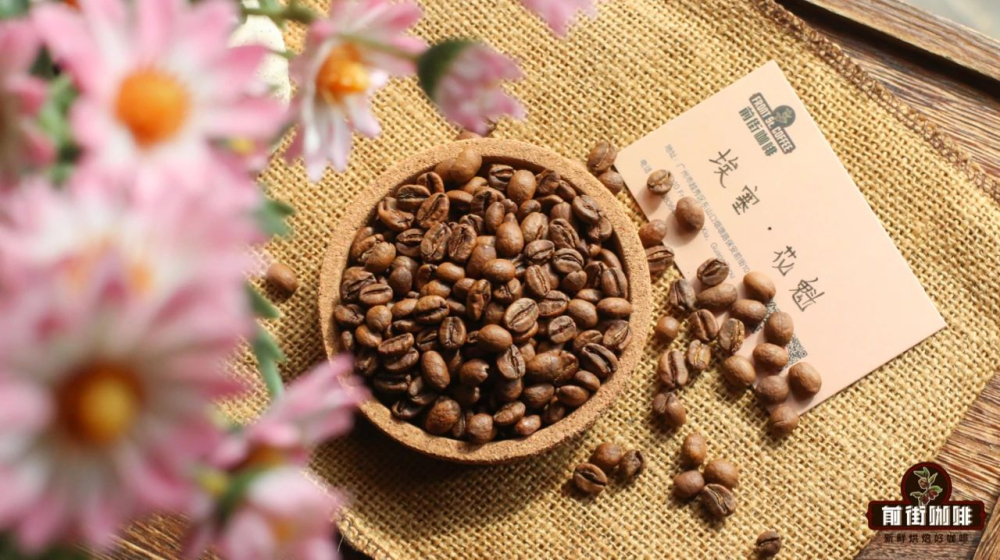
Ethiopia, the home of Humberella coffee, is widely recognized as the birthplace of coffee and one of the regions every specialty coffee enthusiast must explore. Its two most representative regions are Yirgacheffe and Sidamo. Many people associate the name "Humberella" with rich floral aromas, but in fact this coffee is better known for its bold and complex fruit aromatics, especially under natural processing, where it reveals distinctive layers of flavor.
Observant coffee lovers may have noticed that the Yirgacheffe region mostly uses washed processing—common washed Yirgacheffe beans, for example, tend to show clean flavors of fresh citrus, lemongrass, or green tea—while the Sidamo region more often uses natural processing, with a flavor profile that is usually more intense, often featuring berries, cream, and a slight fermented wine-like character. Humberella is a typical representative of this style.
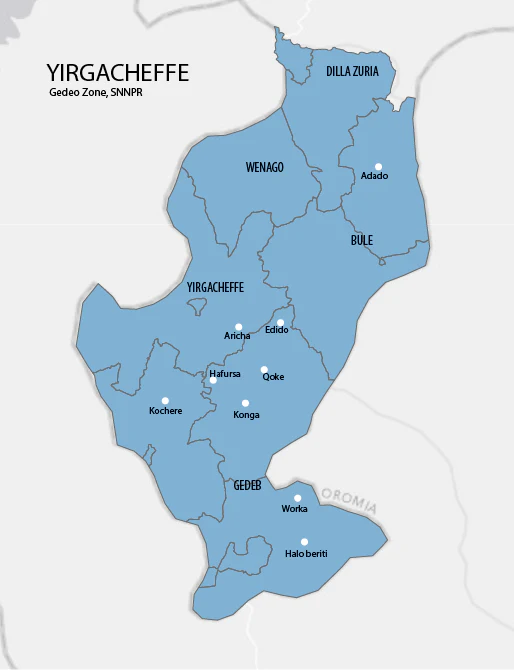
Humberella coffee beans come specifically from the Guji zone under the larger Sidamo region—more precisely, the Guji-Hambela sub-region. The Guji area is dominated by mineral-rich black clay (Vertisol), with growing elevations generally above 1,800 meters, and marked day-night temperature differences that allow the coffee fruit to accumulate abundant sugars and flavor compounds, giving this region its unique advantage in producing high-quality specialty coffee. In fact, Guji not only enjoys an excellent reputation in the industry but has also won awards multiple times in green coffee competitions—the 2020 TOH (Taste of Harvest) washed-group champion, for example, came from this region.
The story of Humberella coffee began in 2017, when a natural-process lot from the Buku Abel washing station in Hambela, submitted by the Ethiopian DW company, entered the TOH green coffee competition organized by the African Coffee Association and won the natural-group championship for the Ethiopian region that year. The lot was subsequently brought in by a Chinese importer and, with its outstanding floral and fruity character and layers, performed excellently in multiple professional evaluations—even surpassing some Geisha beans—quickly becoming a benchmark for a new generation of floral-fruity coffees and earning the title "chief of a hundred flowers."
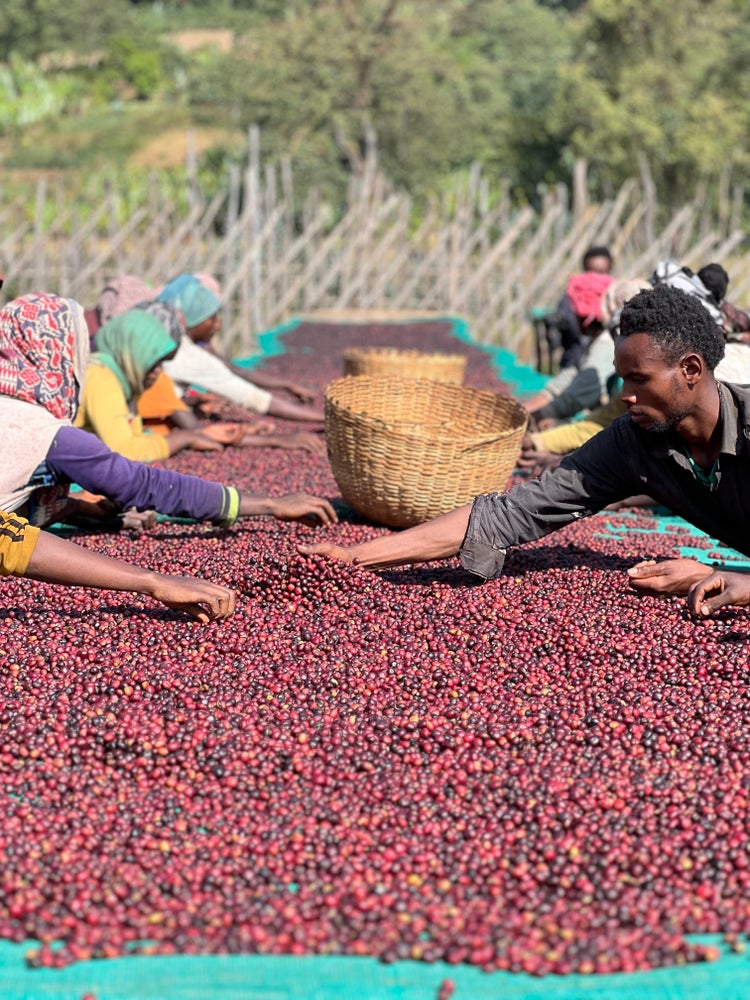
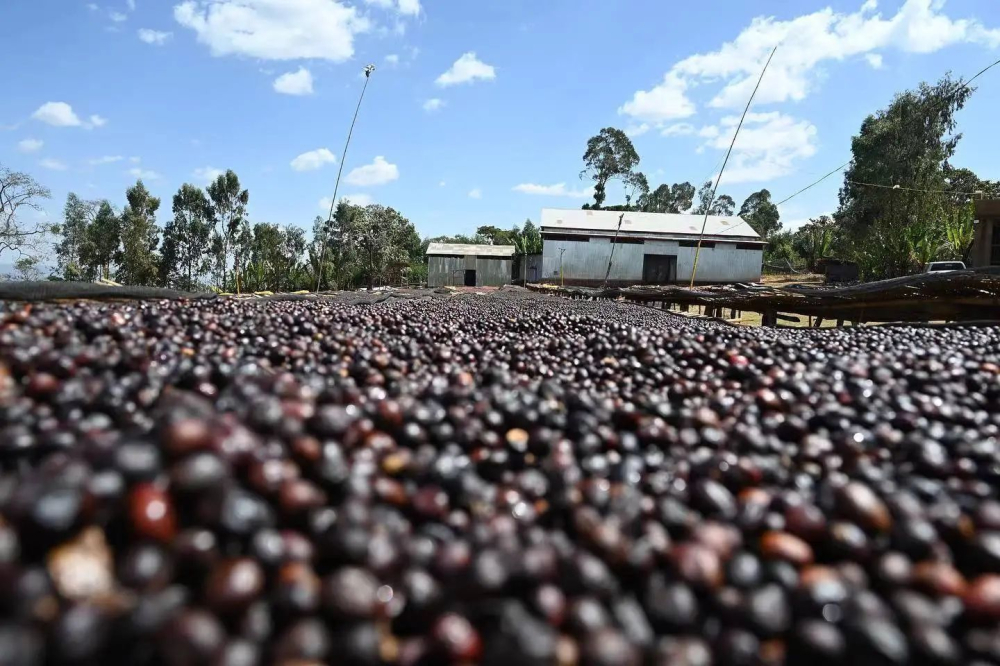
Humberella coffee uses the traditional natural process. After the coffee fruit is picked, to avoid mold or earthy off-flavors during drying, farmers place the cherries on raised beds for up to 21 days of natural sun-drying. The cherries must be turned regularly to ensure even drying, and usually every three to five days a manual sorting is carried out to remove defective or moldy beans. Once the fruit skin is fully dehydrated and hardened, a huller is used to remove the dry, hard skin. Finally, to ensure the quality of the green beans, another round of fine sorting is done so that every bean reaching the market meets high standards.
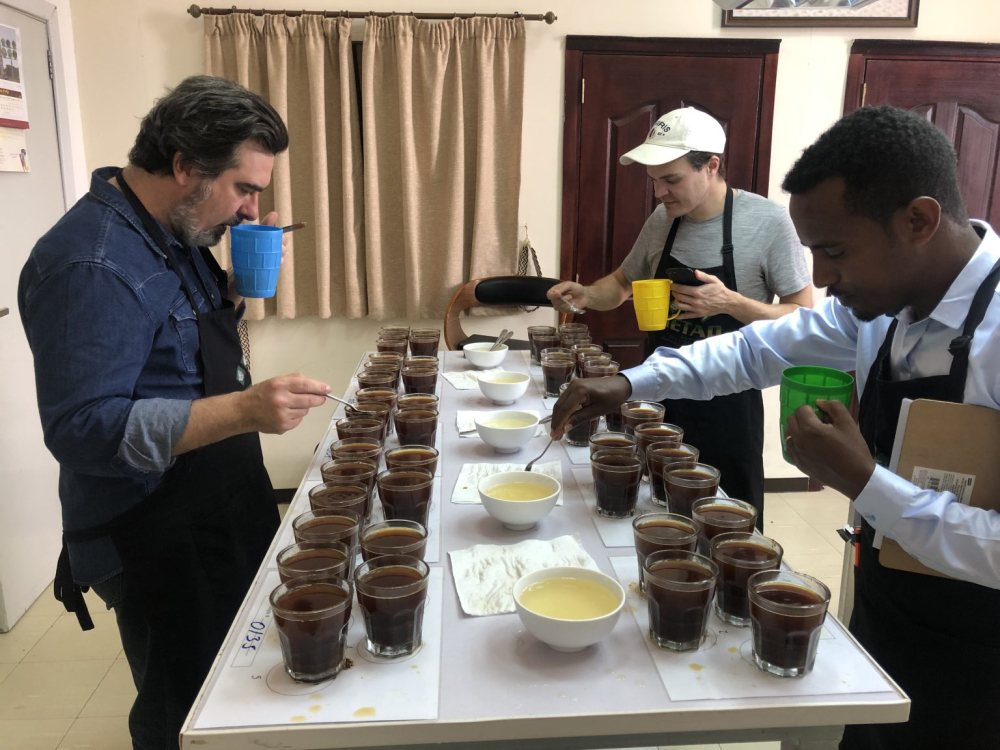
In terms of quality grading, Ethiopian green coffee is graded mainly by defect rate, an important indicator for determining coffee grade. For washed beans, for example, a random 300-gram sample with 0 to 3 defective beans is Grade 1 (G1); 4 to 12 defective beans is Grade 2 (G2). The entire grading system has nine levels, with G1 and G2 considered specialty grade, and Humberella coffee belongs to the high G1 grade, representing extremely high purity and consistency.
As one of the representatives of African specialty coffee, Ethiopian coffee is widely popular for its vivid floral aromas, bright citrus notes, and clear, translucent body, making it especially suitable as a single-origin choice for those new to coffee. Humberella coffee, with its distinctive tropical fruit and berry aromatics, is often recommended to enthusiasts seeking a rich flavor experience.
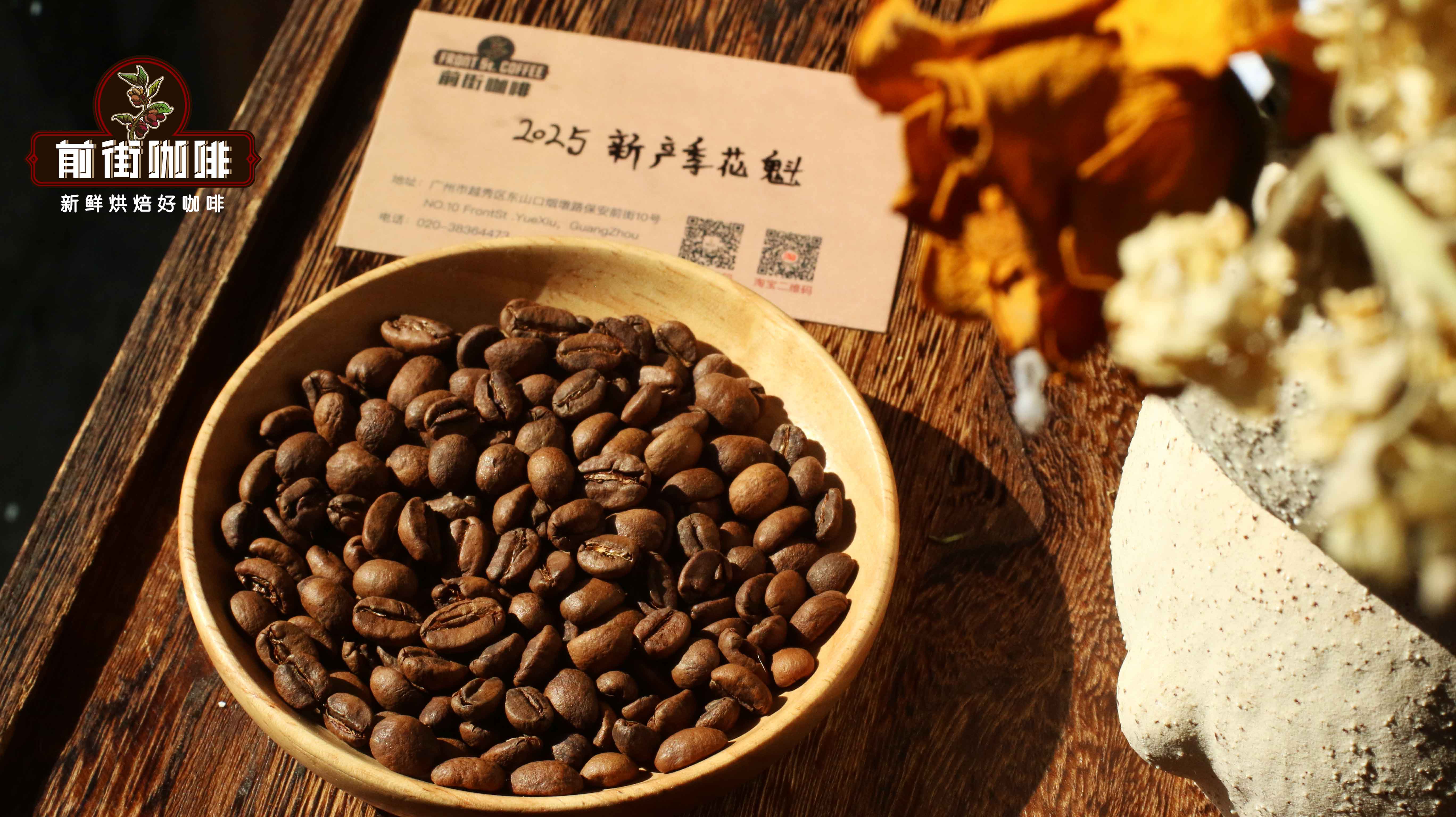
In terms of flavor, the dry aroma of natural Humberella coffee typically carries nuts, honey, berries, and a subtle fermented aroma, layers that are gradually released during grinding and brewing. On the palate, you can sense full-bodied passion fruit, cream, and the sweet-tartness of strawberries; the overall body is solid, and the finish often carries a soft cocoa aftertaste, delivering an unforgettable taste experience.
For brewing recommendations, this natural-process G1 Humberella coffee is better suited to a medium-light roast to fully express its floral-fruity character and sweet layers. Whether pour-over, French press, or siphon, it can present its rich tropical fruit character. Freshness has a great influence on flavor; beans within 5 days of roasting are recommended, and they are best consumed within 2 to 4 weeks after roasting for optimal flavor.