Colombia Rose Valley Coffee: Anaerobic Processing and Pour-Over Guide
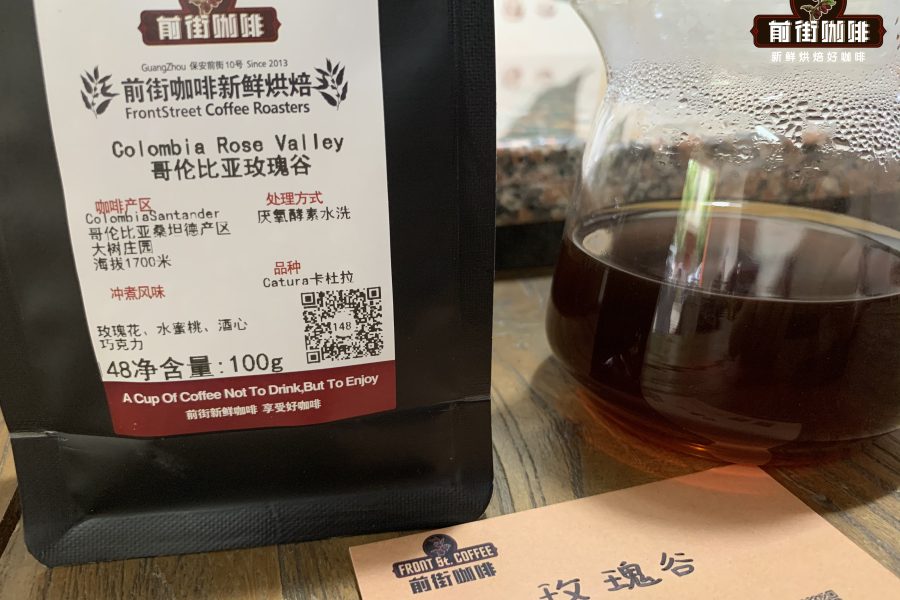
Introduction: This article explores the unique processing and flavor characteristics of Colombia Rose Valley coffee from Finca El Arbol, from orchard management to double anaerobic enzyme washed processing, showing how this bean develops bright fruit aromatics and rich sweetness. It also provides professional-grade pour-over parameters to help coffee enthusiasts extract precisely and experience the layered interplay of rose florals and tropical fruit.
As the world's second-largest coffee producer, Colombia contributes about 12% of global coffee output, and its high-quality Arabica beans are known for balanced acidity and sweetness and diverse varieties. Among the many producing regions, Finca El Arbol is located in a volcanic soil area above 1,700 meters elevation. The farm owner Vargas, who has focused on specialty coffee cultivation for 20 years, has created the distinctive Rose Valley lot through rigorous cherry selection and innovative processing techniques.
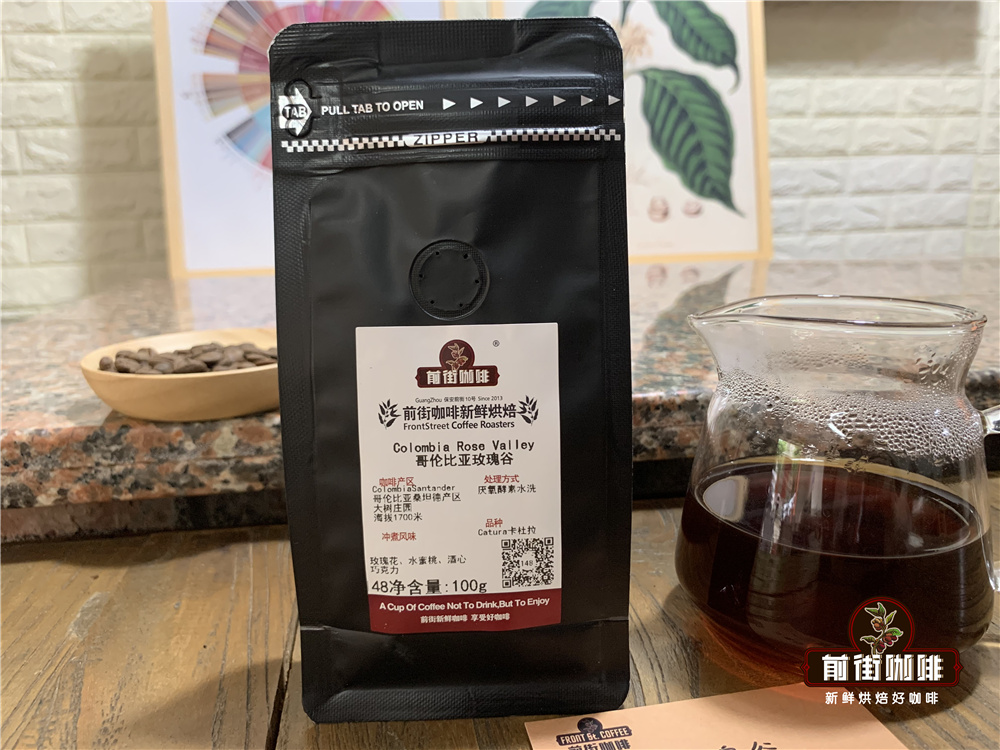
The farm insists on hand-picking fully ripe bright red coffee cherries. After floating to remove defective beans, it uses a breakthrough processing scheme: first two conventional washed fermentations, then transfer to a sealed container injected with carbon dioxide to create an anaerobic environment. The addition of a special enzyme community not only slows the breakdown of pectin sugars but also allows the pH to decline gently. This double anaerobic enzyme washed process extends fermentation time to 1.5 times that of conventional processing, ultimately forming a unique sweet base.
The processed green beans show distinct peach and strawberry aromatics, accompanied by the fresh sweetness of honeydew melon. When brewed, one can sense rose florals and a slight champagne-like effervescence. The acidity is bright but not sharp, the overall flavor profile resembles fresh mixed juice, and the finish carries a long, honey-like sweetness.
For this distinctly flavored bean, the following professional pour-over recipe is recommended:
Dose 15 g | Brew ratio 1:15 | Water temperature 91°C | Grind size BG#6S (equivalent to 68% passing a Chinese standard No. 20 sieve)
The operation is divided into three pouring stages:
1. First stage: pour 30 g of water for a 30-second bloom (start timing from the beginning of the pour)
2. Second stage: pour slowly with a thin stream until the water reaches 125 g
3. Final stage: increase the flow rate and finish extraction when the total poured water reaches 225 g (about 2 minutes total)
Three key details require attention:
• During the drying stage, temperature must be strictly controlled between 35-40°C to avoid high heat causing flavor compounds to volatilize
• The carbon dioxide concentration in the anaerobic processing container must be maintained above 95% to effectively inhibit spoilage organisms
• A full bloom in the early stage of brewing activates more floral and fruity aromatic compounds
Compared with the same farm's Huayueye lot, Rose Valley shows a more direct fruit profile—grape and strawberry flavors sensed on entry, layered with distinct white rose florals—while Huayueye is characterized by a more restrained dark cocoa finish and creamy texture. This bean is especially suitable for coffee lovers who enjoy bright acidity and rich fruit aromatics.


