Colombian Santander Rose Valley Coffee Beans: Terroir and Pour-Over Flavor Explained
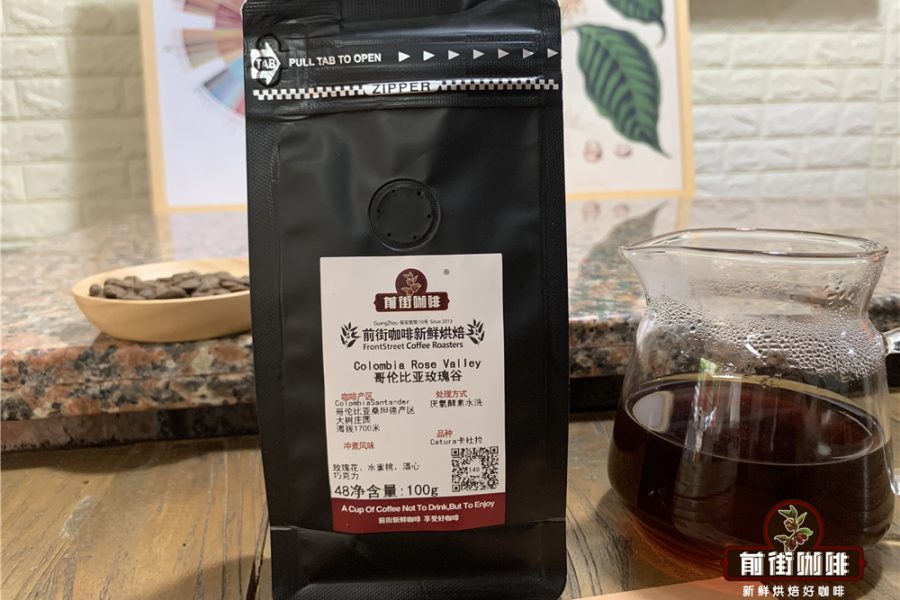
Introduction: Explore the coffee treasure of Colombia's Santander region—Rose Valley coffee beans. This article details the characteristics of the Caturra variety grown at 1400-1600 meters, reveals how double anaerobic fermentation shapes the unique rose aroma, and provides professional cupping-level flavor descriptions and pour-over parameter suggestions to help you precisely capture this specialty bean that combines fruity notes with a rich, full-bodied texture.
Amid the verdant mountains of the Santander region in northern Colombia grows a rare coffee bean known by coffee lovers as "Rose Valley." This large-tree estate in Santander Department, with its high-altitude growing environment of 1400-1600 meters and special processing methods, cultivates high-quality Arabica coffee with a distinct rose aroma.
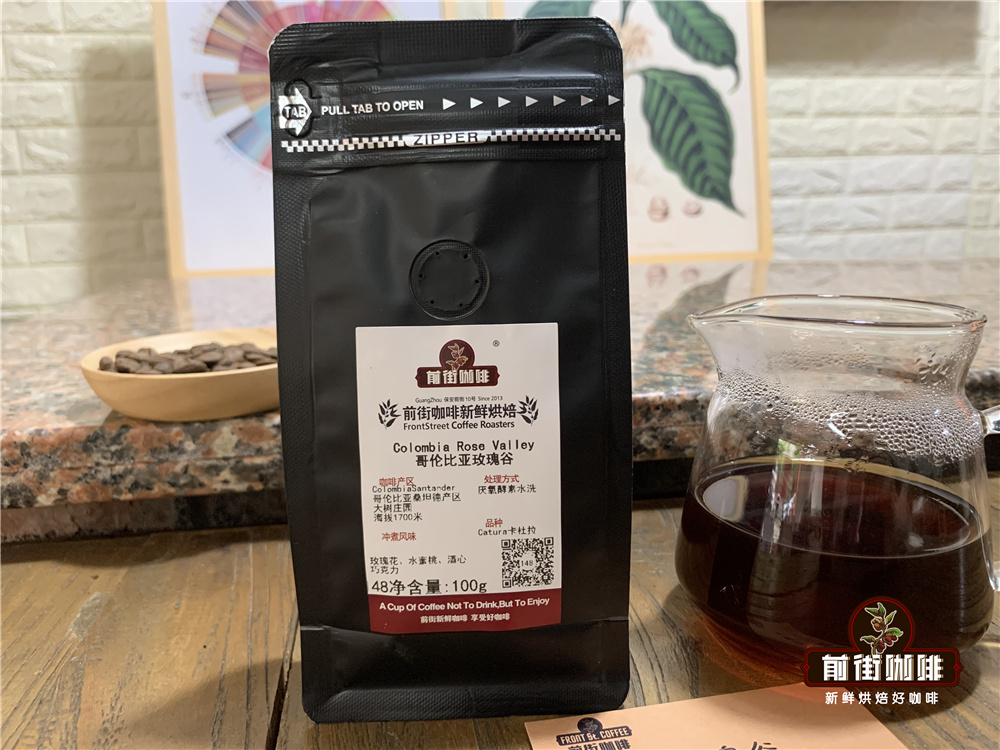
The Santander region borders the Magdalena River to the west, and its significant day-night temperature difference allows the coffee fruit to accumulate rich flavor compounds. Coffees from this region generally have a distinct floral and fruity profile, and Rose Valley is among the finest—its Caturra variety grown at 1400-1600 meters, after a rigorous washed processing routine, displays layered and complex aromas.
Estate owner Vargas has over 20 years of coffee-growing experience and strict standards for cherry picking: only fully ripe bright red coffee cherries are selected, and defective beans are removed through flotation. Particularly noteworthy is his innovative processing method—two rounds of anaerobic fermentation combined with a special enzyme group, together with slow sun-drying at no more than 35°C. These processing details together create the coffee's unique flavor foundation.
When brewing with a V60 dripper (recommended coffee-to-water ratio 1:15, water temperature 92°C), the initial 30-second bloom releases a subtle floral top note. As the second pour progresses, the rose aroma significantly intensifies around 45 seconds—this is the key moment for identifying high-quality Rose Valley coffee. Professional roasters recommend a grind size of BG 5R (medium-fine according to Chinese standards) and a brew time of about 2 minutes 10 seconds for the best balance.
In terms of flavor, this coffee presents three dimensions: on entry, the clear sweetness of peach juice intertwines with rose tea notes; the mid-palate reveals the rich texture of liqueur chocolate; and the finish carries the lively acidity of black grapes and the creamy mouthfeel of toffee. Its balance of acidity, sweetness, and bitterness reaches an excellent level (SCA scores consistently in the 84-86 range), making it particularly suitable for pairing with nut-based desserts or enjoying as a single-origin pour-over.
For coffee enthusiasts, the value of Rose Valley lies not only in its signature rose aroma but also in how it demonstrates that northern Colombian regions can transform regional characteristics into flavors in the cup through precise agronomic management (such as controlling shade tree planting density) and biochemical processing techniques. Next time you select a washed Central American coffee, look for Caturra varieties grown above 1400 meters with fermentation process notes—you may encounter a similarly high-quality experience.


