Colombia Santander Dashu Estate Rose Valley Coffee Processing Explained
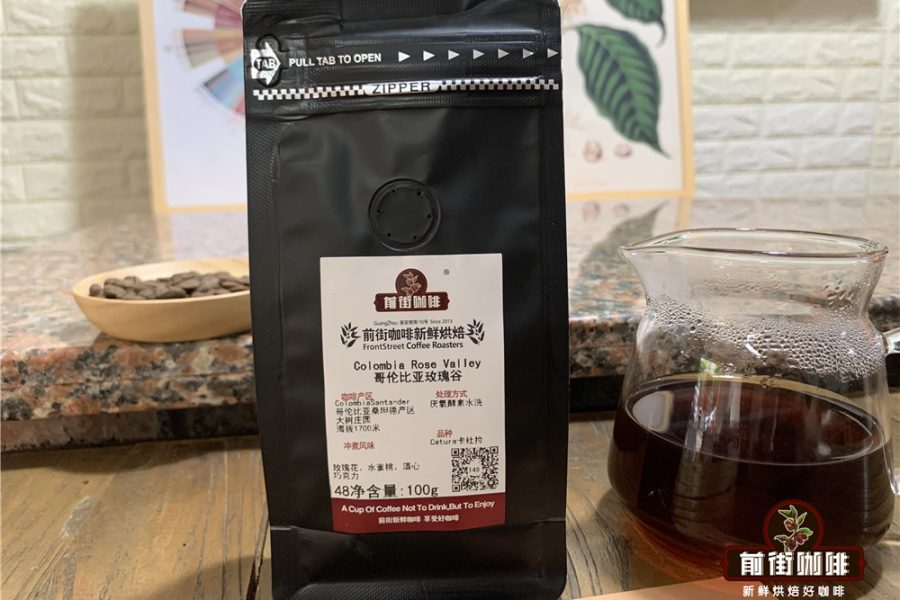
Introduction: An in-depth analysis of the unique processing behind Rose Valley coffee from Dashu Estate in the Santander region of Colombia. From the growing environment to anaerobic fermentation technology, this guide shows how a coffee with peach and strawberry aromas comes to be. Key parameters and flavor characteristics are included at the end to help you find the pour-over coffee option you like.
Among Colombia's many coffee regions, Santander is known for its reliable two-season harvest. Local coffee farmers go through the regular harvest from September to December each year, plus a second harvest period known as mitaca. Unlike other high-altitude regions, Santander's elevation is concentrated between 1,200 and 1,700 meters, and the relatively dry climate gives the coffee a rounder sweetness.
The region's planting structure has distinct features: 15% Typica, 32% Caturra and 53% Castillo make up the main variety matrix. Notably, more than 70% of the coffee farms in the area are Rainforest Alliance certified, and the low elevation means coffees here often show more direct sweetness rather than the complex layers typical of high-altitude regions.
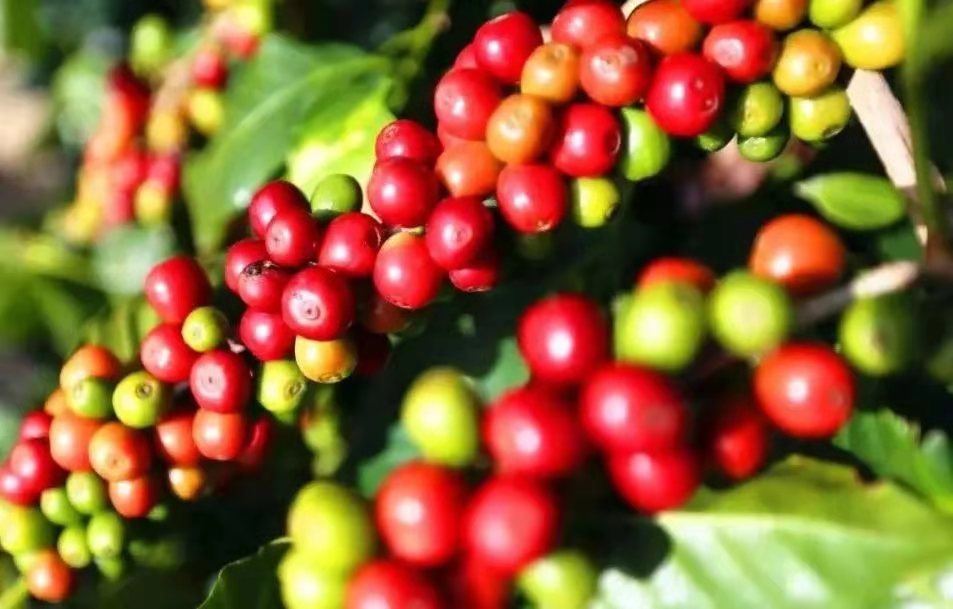
Dashu Estate owner Vargas has twenty years of coffee-growing experience, and his management approach is notably meticulous. At harvest, only fully red ripe cherries are selected; after an initial wash removes floaters, a double anaerobic fermentation process is used—first carbon dioxide is injected to displace oxygen in the container, then a specially formulated enzyme group is introduced to take part in fermentation. The core of this approach is controlling the pace of sugar breakdown so the pH drops slowly, extending the flavor development period.
Key parameters of the fermentation process include: a fully anaerobic environment maintained for 72–96 hours, with precise temperature monitoring to avoid sharp fluctuations. The drying stage pays special attention to temperature control, using shade nets to assist slow drying and steadily bringing moisture content down to the safe threshold of 11%. Together these measures shape the coffee's eventual full, sweet base.
In terms of flavor, this coffee, called 'Rose Valley', shows three aroma layers: at first smell, clear rose florals and a champagne-like effervescence; in the middle, the sweet fruit aromas of peach and honeydew melon; and in the finish, the bright acidity of fresh strawberries. This flavor combination makes it a quality choice for pour-over enthusiasts; a water temperature of 90–93°C with a medium-fine grind is recommended for extraction.
For coffee consumers who seek special processing methods, understanding the storage points of this kind of anaerobically fermented coffee is equally important: unopened, it can be stored for 12–18 months, and after grinding it is best to brew within 15 minutes for the best flavor presentation. Compared with conventionally washed coffee beans, these enzyme-assisted fermented products generally have stronger antioxidant properties.


