A Beginner's Guide to Hand-Ground Coffee: From Grinding to Extraction
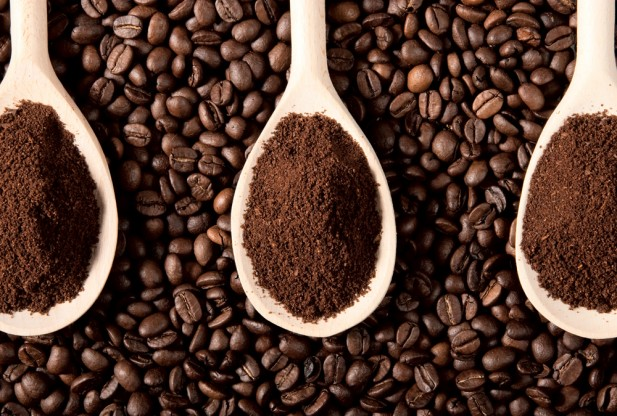
Introduction: Hand-ground coffee is favored by coffee enthusiasts for its freshness and layered flavor. Compared with pre-packaged coffee grounds, fresh grinding better preserves the beans' original aroma and delivers a richer mouthfeel. This article explains in detail the principles, key steps and points to note in making hand-ground coffee, helping you master the whole process from bean selection to final brewing and improve the quality of your home coffee.
Fresh-ground coffee means grinding coffee beans into grounds on the spot before brewing, then preparing the drink through various extraction methods. The biggest advantage of this approach is that it preserves the beans' original aromatic compounds to the greatest extent—freshly ground coffee releases abundant aroma molecules the moment it meets hot water, whereas commercially packaged grounds often lose much of their flavor through long storage.
It is particularly worth noting that fresh-ground coffee, whether drunk on its own or with fresh milk, shows more distinct layers of fruity acidity, sweetness and body. This difference is especially pronounced in specialty coffee, and it is an important reason more and more consumers choose to grind fresh.
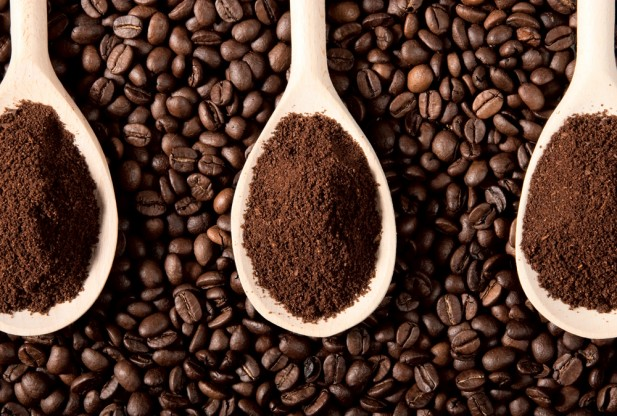
Two key points require special attention in the grinding stage: first, the uniformity of the particles—different brewing methods have clear requirements for grind size (for example, medium-fine for pour-over, coarse for a French press); second, the timing of grinding—coffee grounds begin to oxidize after more than 15 minutes of exposure to air, so the best practice is to grind only just before brewing.
The standard process for making hand-ground coffee can be divided into the following steps: first, start the coffee grinder for pre-grinding, and at the same time heat purified water in an electric kettle to 92-96°C (the optimal extraction temperature varies slightly with the beans' origin). Once the water reaches temperature, place the filter paper properly in the dripper and tap it lightly to remove paper scraps, then pour the freshly ground coffee into the filter and press gently with the back of a spoon or a tamper to level the surface.
Next comes the pouring stage; a staged extraction is recommended: first pour a small amount of hot water (about twice the weight of the coffee grounds) and let it bloom for 30 seconds—this step fully releases the coffee's carbon dioxide and brings out the aroma. Then continue pouring in circles at a steady flow rate, with the total amount of water controlled according to personal taste at a ratio of 15-20 grams of coffee to 240-300 milliliters of water.
For those who like milk, prepare the milk at the same time: pour about 200 milliliters of chilled fresh milk into a container and froth it with a milk frother in circular motions from the bottom of the container, taking care to control the fineness of the foam and the temperature (ideally stopping when the milk reaches 60-65°C). If you prefer sweetness, add an appropriate amount of granulated sugar to the extracted coffee and stir to dissolve, then add ice cubes to cool it down and pour in the milk foam.
Although the process of making hand-ground coffee is relatively complex, it is precisely these meticulous operations that give the coffee a more vivid flavor. From controlling the freshness of the beans and adjusting grinding parameters to subtle variations in brewing technique, every step affects the taste characteristics of the final cup. For enthusiasts in pursuit of coffee's true flavor, mastering these basic techniques will bring a richer drinking experience.


