Pour-Over Coffee Beginner's Guide: Water Temperature and Step-by-Step Brewing
Introduction: To easily brew a cup of pour-over coffee with rich layers of flavor at home, mastering the correct water temperature and steps is essential. This article will explain in detail the complete pour-over coffee brewing process, including equipment preparation, grind size, water temperature selection, pouring techniques and other practical points, helping you go from beginner to advanced and easily extract the best flavor from your coffee beans.
A high-quality cup of pour-over coffee can showcase the rich aromas and multi-layered flavor characteristics of the coffee beans themselves—from fruity acidity to sweetness, and then to the lingering finish—with every step embodying the refined art of extraction. Although the pour-over process seems simple, truly brewing a cup of coffee with balanced flavor and a clean mouthfeel still requires mastering some core techniques and parameters.
First, prepare the necessary equipment: a hand grinder, a precise digital scale, a pour-over kettle, filter paper, a dripper, and your favorite freshly roasted coffee beans and purified water. These basic tools will directly affect the stability of extraction and the flavor performance.
Before starting, place the filter paper correctly into the dripper. It is usually recommended to fold the filter paper and then gently open it, then fully rinse it with hot water. This step not only removes the papery taste of the filter itself but also preheats the entire dripper and server, ensuring that the coffee temperature does not drop too much during extraction due to the equipment absorbing heat.
Next, use the digital scale to accurately weigh 25 grams of coffee beans. The freshness and roast level of the beans directly affect the final flavor; it is recommended to choose recently roasted high-quality green beans, with the roast level selected according to personal taste preference. Put the weighed beans into the hand grinder and grind to a medium-fine consistency—similar to fine granulated sugar—which helps water penetrate the coffee bed evenly and improves extraction efficiency.
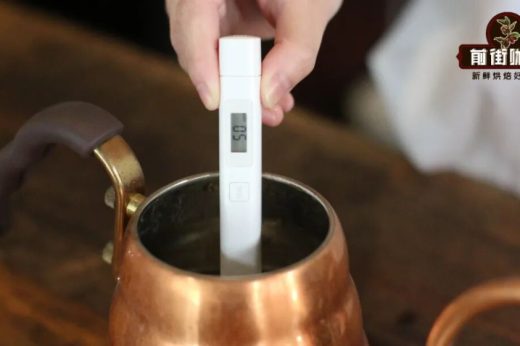
Pour the ground coffee into the moistened filter paper and gently shake the dripper to level the surface of the coffee grounds, which helps the water distribute more evenly during pouring. Then, heat the water to a suitable temperature. Generally speaking, the optimal water temperature range for pour-over coffee is between 83 and 95°C, and the specific temperature should be adjusted flexibly according to the roast level of the coffee beans.
Regarding water temperature selection, you can refer to the following suggestions: the low temperature range of 83-87°C is suitable for brewing dark roast coffee beans; these beans usually have lower acidity and a richer bitter-sweet taste, and lower water temperature helps suppress over-extraction and highlight the full-bodied feel; the medium temperature range of 88-91°C is the ideal extraction temperature for most medium roast coffee beans, with balanced flavor, suitable for coffee beginners to try; the high temperature range of 92-95°C is more suitable for brewing light roast coffee beans; these beans often have bright acidity and rich layers, but if the water temperature is too high, it is easy to extract too many bitter substances.
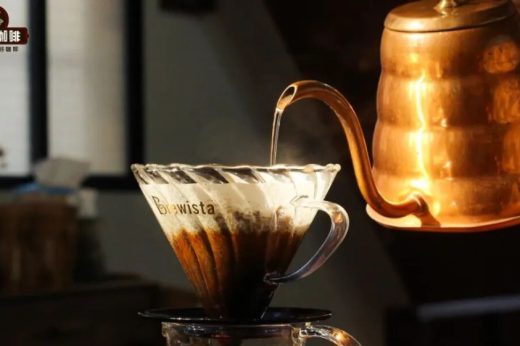
After preparation is complete, heat the water to the target temperature (for example, the commonly used 88°C), then pour it into the pour-over kettle. When starting to pour, first add a small amount of hot water (about 50 milliliters) to let the coffee grounds fully bloom; this process is called "pre-infusion" or "Bloom," and its purpose is to release the carbon dioxide inside the coffee grounds and lay a good foundation for the subsequent formal extraction. The blooming time is recommended to be controlled at around 20 seconds, during which you can observe the coffee bed gradually expanding.
After blooming, begin the formal pouring. It is recommended to pour from the center, keeping the stream steady and gentle, and pour slowly in a spiral or concentric circle to ensure all coffee grounds receive water evenly. The total amount of water and the time for the entire extraction process can be adjusted according to personal preference; generally, the total pouring volume is between 200-300 milliliters, and the extraction time is best controlled at 2-3 minutes.
When all the water has been poured and the coffee liquid has fully dripped through, remove the dripper and filter paper to end the extraction. At this point, a cup of pour-over coffee with clear flavor and balanced mouthfeel is complete. Remember to taste it while hot and feel the flavor changes of the coffee at different temperatures—from the bright fruity acidity when hot, to the prominent sweetness when warm, and then to the bitterness and full-bodied feel when cool; every sip is a deep exploration of the coffee beans' flavor.
The charm of pour-over coffee lies in its controllability and personalization. By adjusting water temperature, grind size, pouring method and time, you can keep experimenting and find the brewing plan that best suits your taste. I hope this beginner's guide can help you better master the basic techniques of pour-over coffee and enjoy the fun and sense of accomplishment of brewing coffee by hand.