Panama Hacienda La Esmeralda Geisha: Red vs. Green Label and Pour-Over Guide
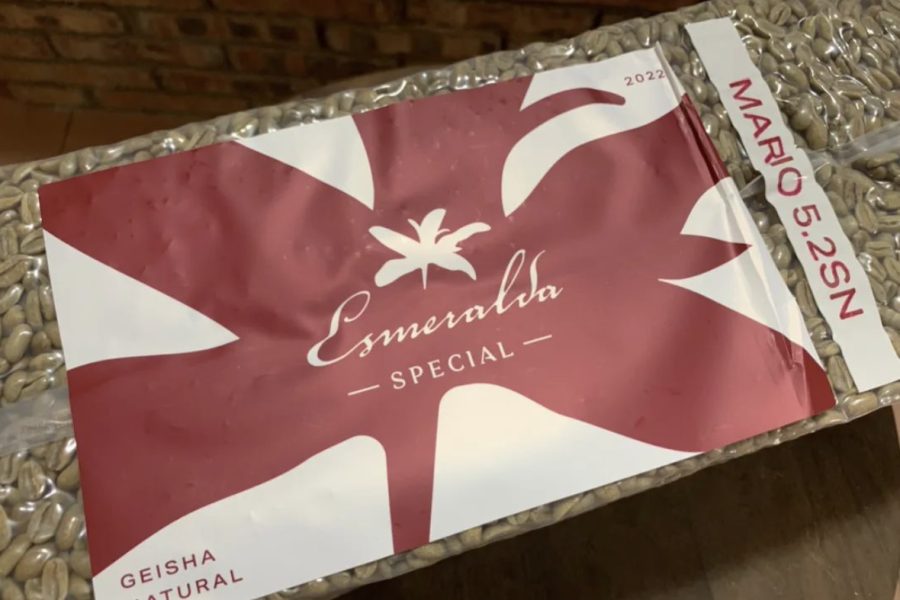
Introduction: Explore the legendary history of Panama Hacienda La Esmeralda Geisha coffee, from the farm's transformation in 1964 to its comeback victory at the 2004 BOP. This guide covers the regional differences and quality grading standards of Red Label and Green Label Geisha, with professional pour-over parameters and flavor profile comparisons to help you choose the specialty coffee beans that suit you.
The coffee legend of Panama's Hacienda La Esmeralda began in 1964, when American banker Rudolph Peterson retired to Panama and purchased Hacienda La Esmeralda in the Boquete region. The estate originally focused on dairy products until 1987, when his son Price gave up his career as a doctor and returned home, introducing Caturra and Catuai coffee varieties and opening a new chapter in coffee cultivation.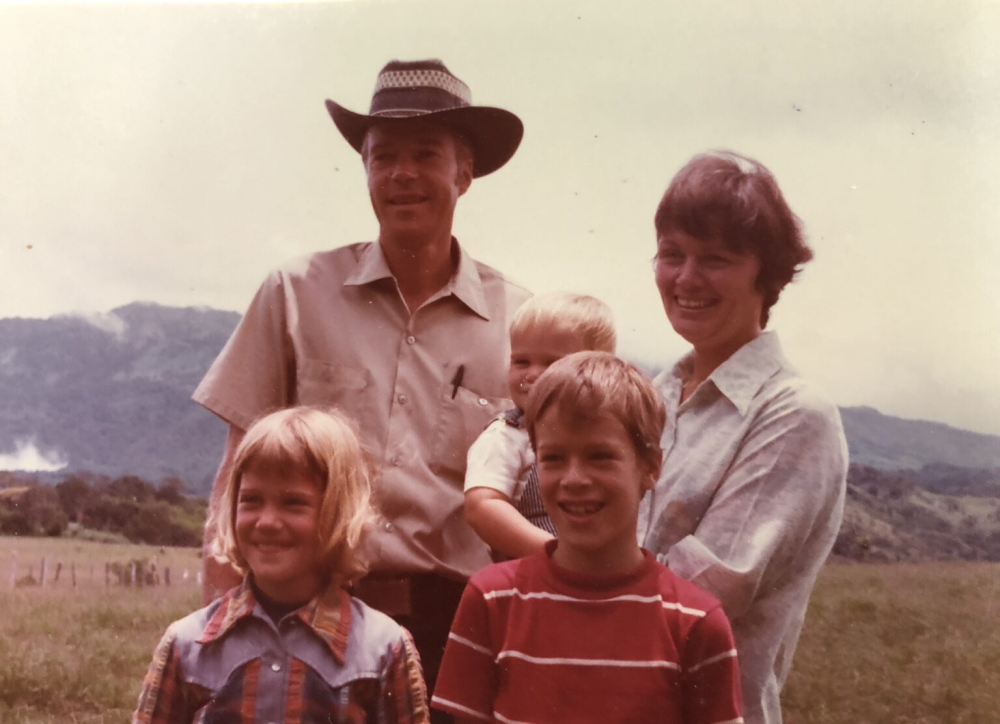
In 1994 the estate built its own wet mill, and the following year it acquired the neighboring Jaramillo estate—a higher-altitude area that retained superior coffee varieties and became a key turning point.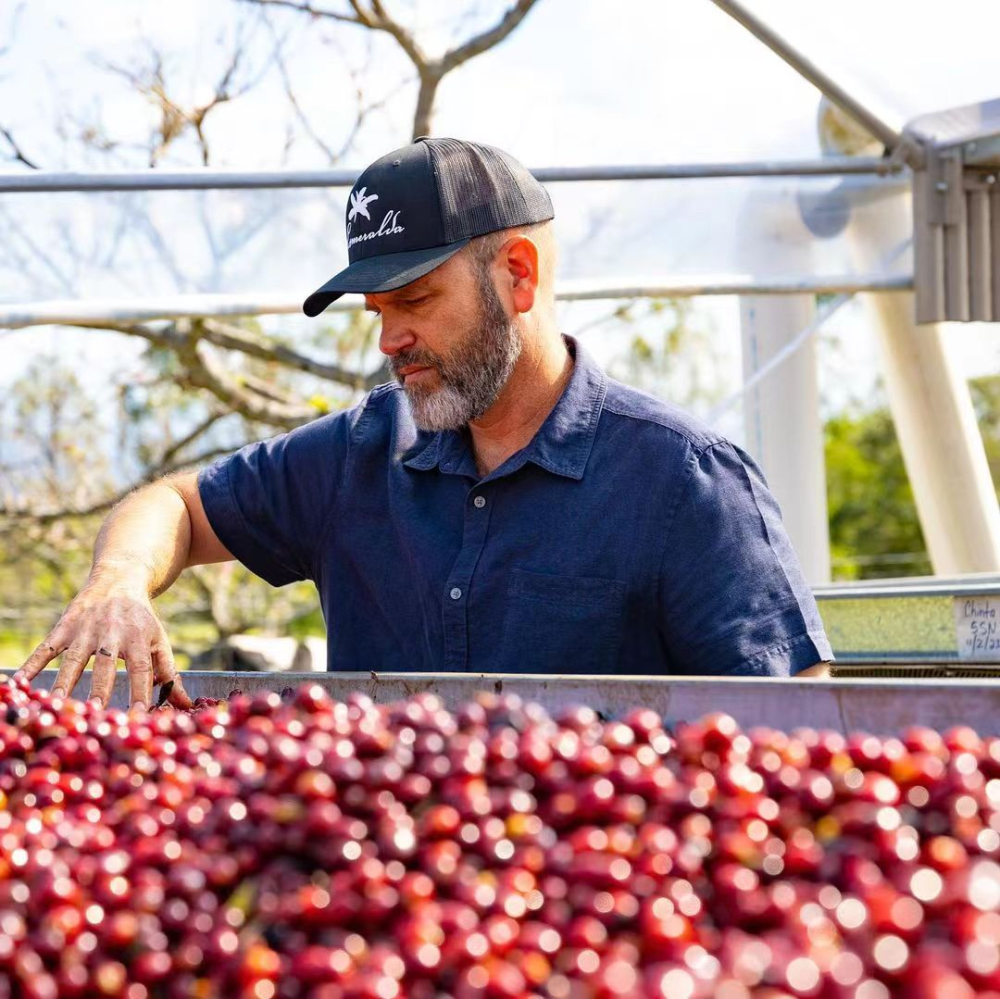 At the time, local coffee farmers regarded these trees (actually the original Geisha variety introduced from Costa Rica 30 years earlier) as an inefficient variety, but under the careful management of the Peterson family they were given new life.
In 2004 this coffee won the Panama green bean competition with an astonishing performance and was later identified as the long-lost Ethiopian Geisha variety.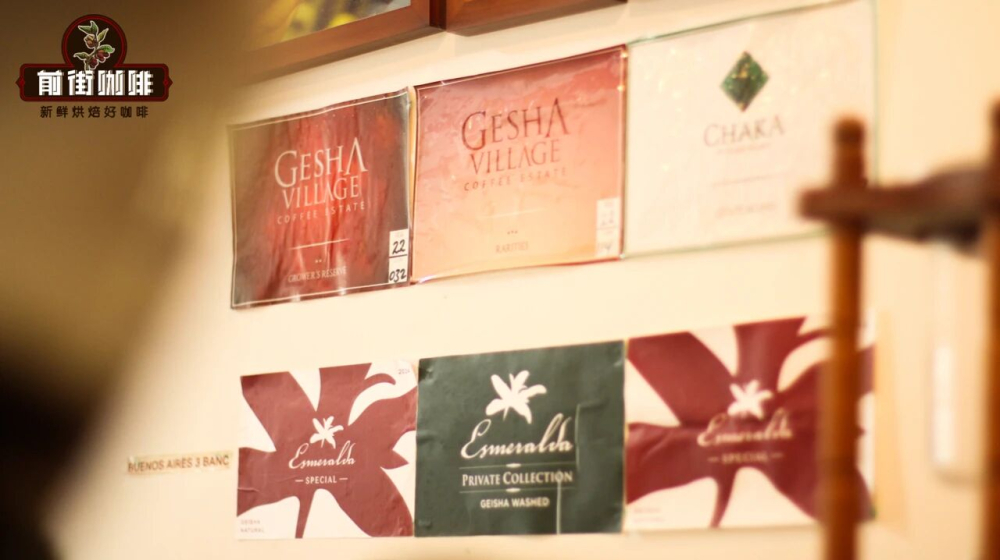 Since then the estate has focused on refined processing techniques and developed the grading system that is now known worldwide.
Hacienda La Esmeralda Red Label Geisha represents the highest quality, using only beans from the Jaramillo and Cañas Verdes regions at 1,600–1,800 meters altitude with cupping scores above 90.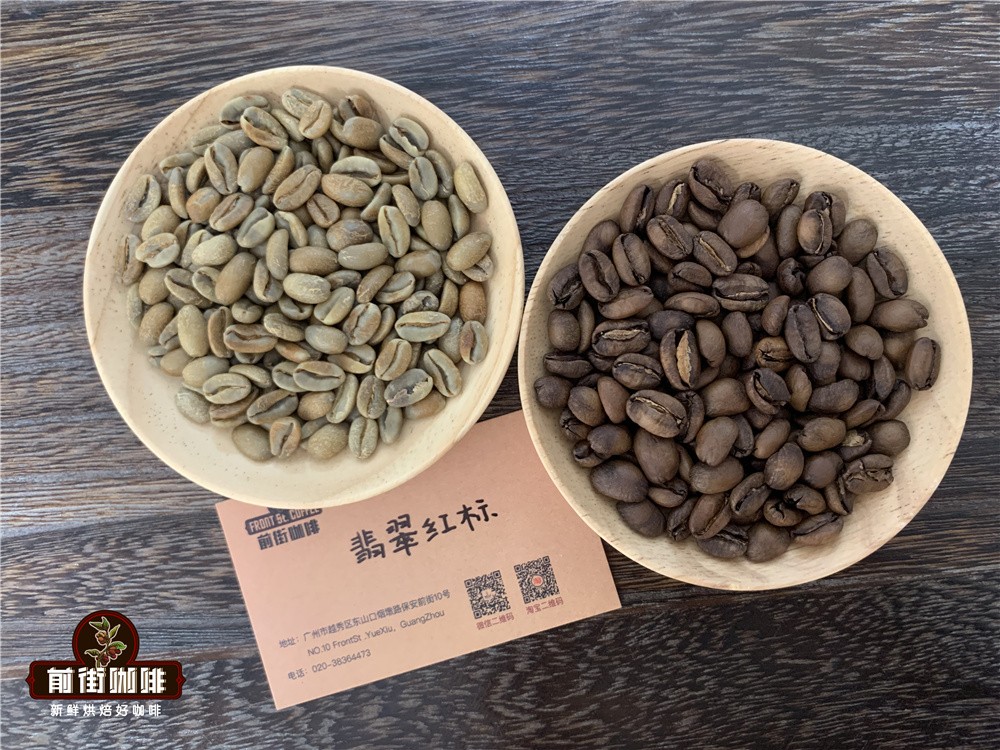 These lots, selected through independent bidding (usually from the Mario plot), must meet strict cultivation altitude and flavor standards. Although non-auction Red Label does not participate in the auction, its region and processing are exactly the same, making it better value.
Green Label Geisha (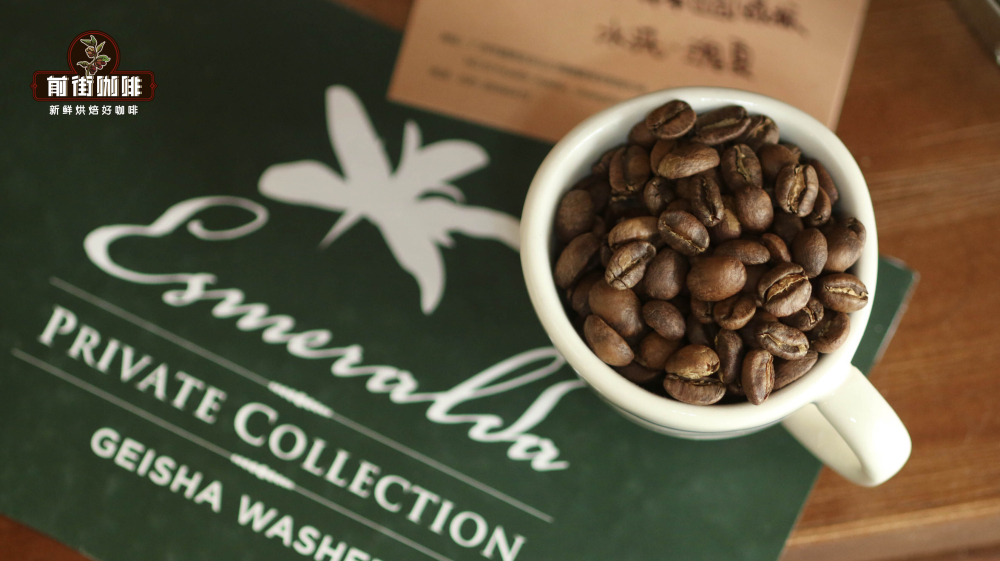 ) is positioned for high-end everyday consumption, with the same altitude range as Red Label (1,600–1,800 meters), selecting mixed micro-lots from Jaramillo, Cañas Verdes and others. Although it does not participate in bidding, it retains Geisha's signature floral and fruity character, and with better value it has become the first choice of many coffee lovers.
Professional brewing recommendations: use beans within 5 days of roasting (roasters usually print the roast date), a Hario V60 dripper with 90°C water, 15 grams of coffee at a 1:15 coffee-to-water ratio, medium-fine grind (80% passing a Chinese standard No. 20 sieve).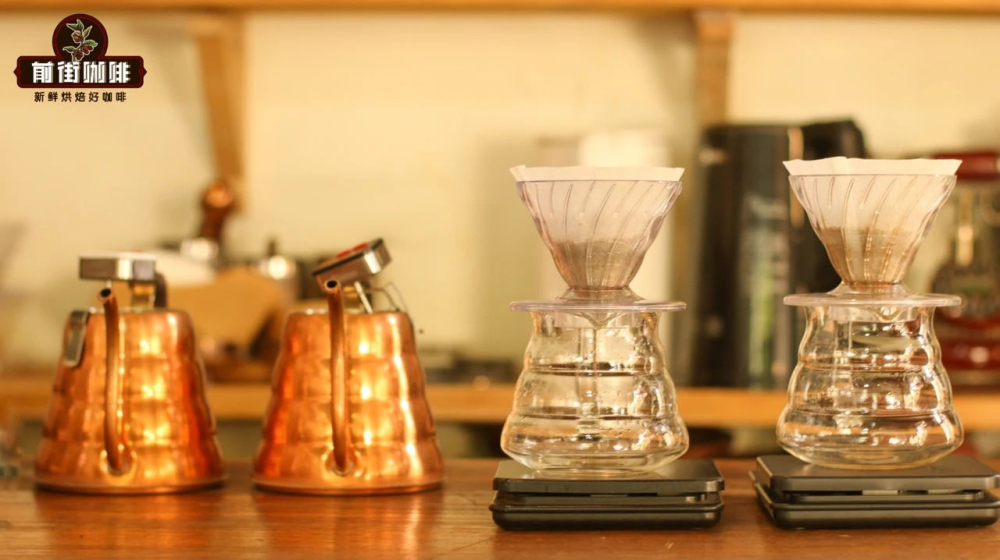 A staged extraction is recommended: bloom with 30 grams of water for 30 seconds, pour in stages to 125 grams, then continue to a total of 225 grams, completing extraction in about 2 minutes.
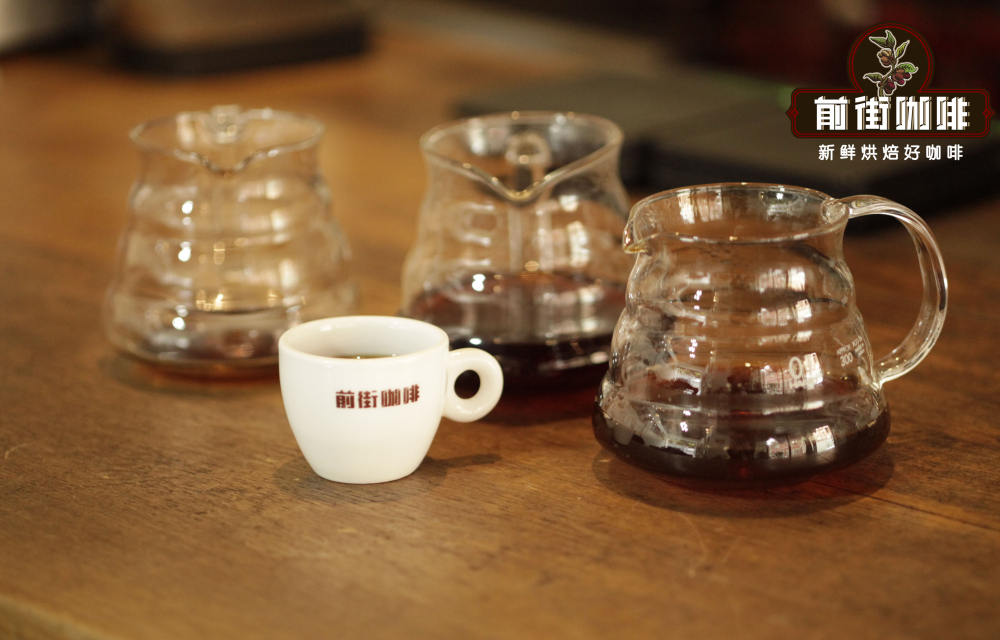
The flavor differences are striking: Red Label shows bright rose florals and citrus notes, accompanied by complex fruit aromas such as berries and apricot and a honeyed sweetness; Green Label is led by jasmine florals, with bright citrus and berry acidity and a fresh finish of green tea and citrus. Both display the layered complexity and body characteristic of the Geisha variety.


