Ethiopian Yirgacheffe and Sidamo Huakui 6.0: Regional Flavors, Processing and Brewing Guide

Introduction: Ethiopia, the birthplace of coffee, is known for the bright floral and fruity notes of its Yirgacheffe and Sidamo regions, making them a classic entry point for specialty coffee enthusiasts. This article takes a close look at the flavor profiles, regional environmental differences and key processing points of the two regions' main processing methods (washed Yirgacheffe and natural Huakui 6.0), and offers professional brewing parameter suggestions to help you precisely capture the unique flavor layers of different lots.
Ethiopia is widely recognized as the birthplace of coffee, and its unique geography and climate have produced world-famous specialty coffee regions. For newcomers to specialty coffee, the names Yirgacheffe and Sidamo are often the first mentioned—the former opens up the palate with fresh citrus and bright berry acidity, while the latter lays an impression with rich berry and creamy texture. These signature flavors are where many people first fall in love with specialty coffee.
The main processing method in the Yirgacheffe region is washed. By removing the mucilage layer and going through a strict fermentation and washing process, the beans can more purely express the region's basic flavor characteristics: prominent floral notes (similar to jasmine or white flowers), fresh lemon or citrus acidity, and a clean, bright mouthfeel. It is worth noting that Yirgacheffe was originally part of the Sidamo region; later, because its washed coffee's unique flavor was widely recognized—and because some farmers outside the region had confused the origin in their claims—it was eventually divided into its own exclusive region. Its growing altitude is generally 2000–2100 meters in the highlands, where native coffee trees adapt to the high-altitude environment; the fruit ripens slowly and accumulates richer flavor compounds.
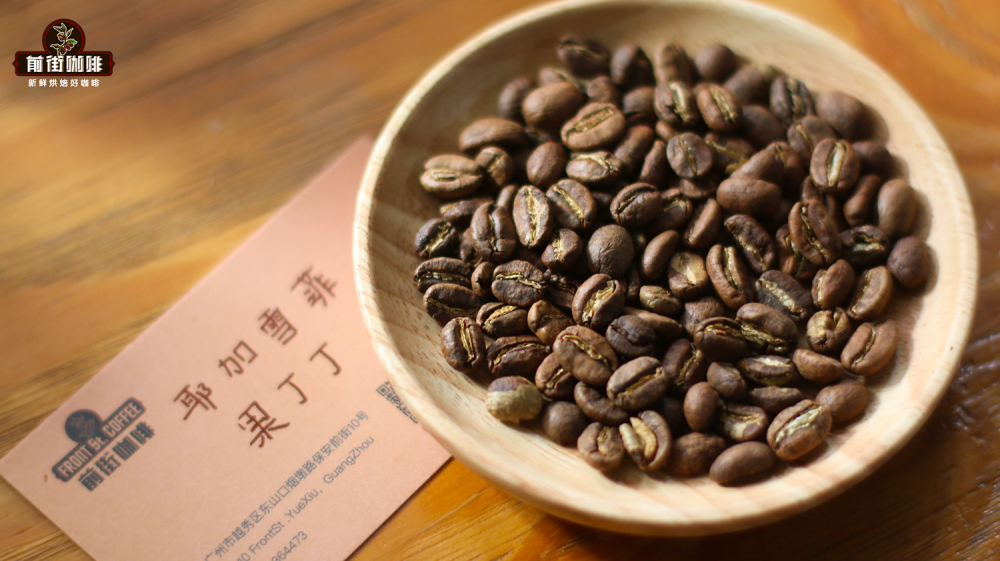
The Sidamo region is also one of Ethiopia's core coffee regions, and specialty coffees from its Guji sub-region have repeatedly won recognition in international competitions. When it comes to the region's most representative traditional processing method, the natural-process "Huakui" coffee is undoubtedly the focus. It should be specially noted that Huakui is not the name of a single region, but specifically refers to natural coffee beans from Hambela in the Sidamo sub-region, processed by the Buku Abel washing station—the name comes from the same lot that won the natural category of the 2017 TOH (Top of House) green bean competition, and was named by a Beijing importer who compared its flavor to "the first of a hundred flowers."
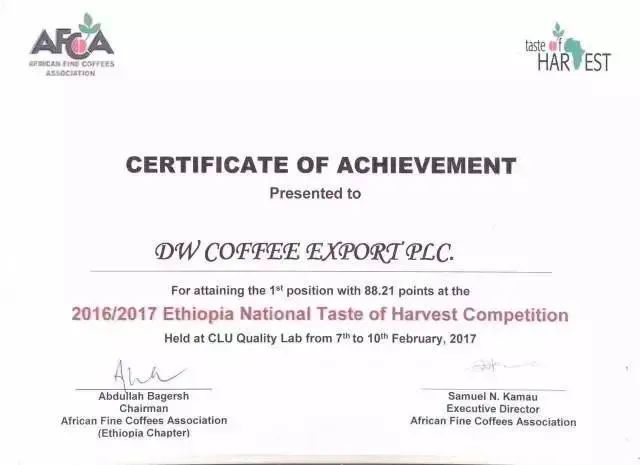
The rise of Huakui coffee is quite dramatic: in 2017, DW Company submitted natural beans from the Hambela region to the competition and won the natural category; that same year, after this lot was introduced to the Chinese market, it drew attention for its full strawberry-cream flavor. Even more dramatically, in that year's China regional coffee brewing championship, competitor Li Jianfei took second place with the same lot of Huakui beans in a field crowded with Geisha coffees, further raising its profile. In recent years, as Luckin launched Huakui 5.0 SOE coffee (its 2022 plan to purchase 80 tons sparked market discussion), the Huakui series has continued to gain attention. Note that true Huakui coffee must meet both conditions—"Hambela region + Buku Abel washing station"—and is named each year according to the "Huakui X.0" rule (e.g., 4.0 in 2020, 5.0 in 2021, 6.0 in 2022).
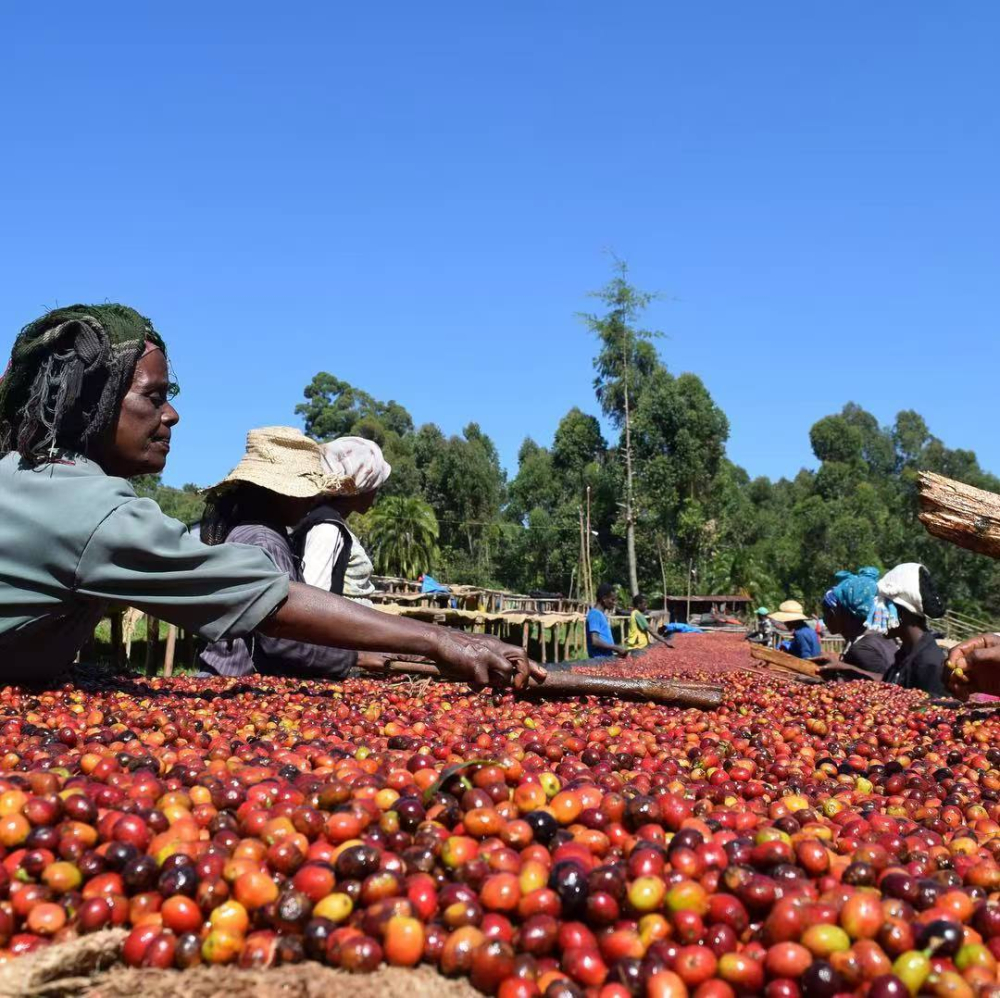
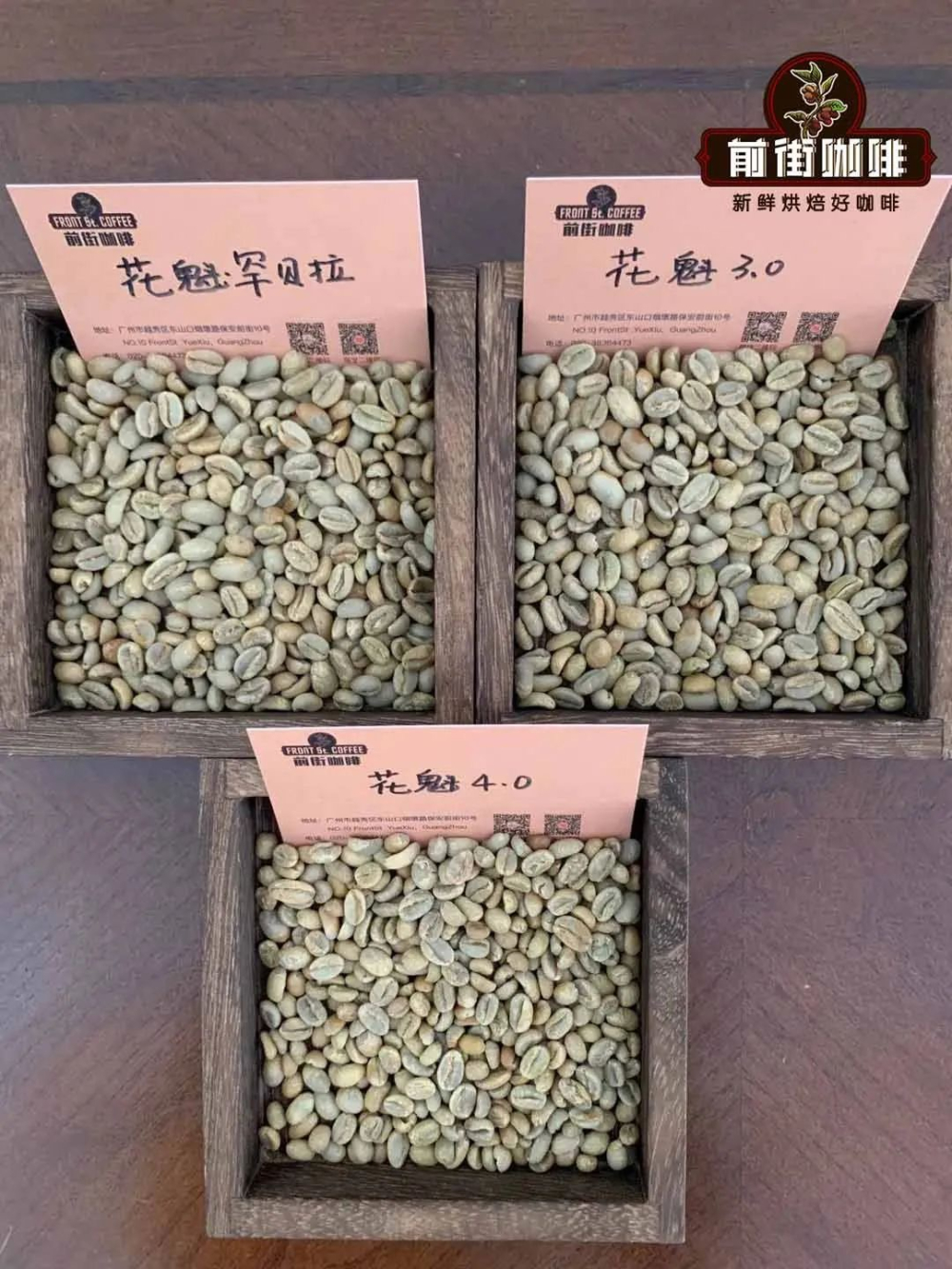
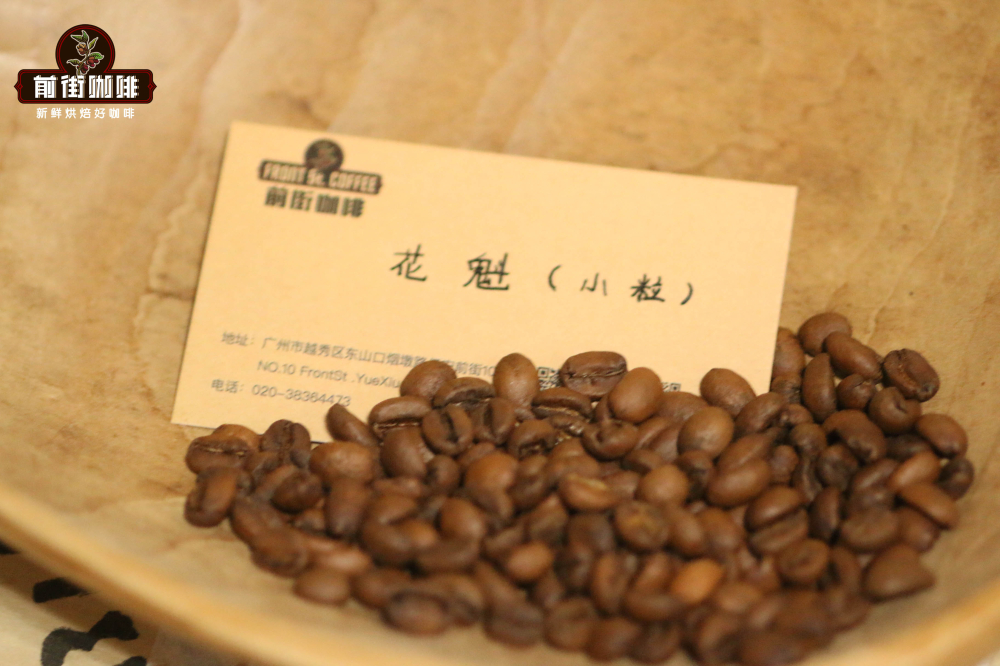
Looking at Huakui beans over the years, small-sized beans often contribute more concentrated aroma—among the 2017–2019 Huakui, the proportion and flavor performance of small beans have been recorded; starting in 2020, DW Company processed small beans separately to form the "Small-Bean Huakui" series (not part of the Huakui X.0 numbering system). Comparative cupping shows that Small-Bean Huakui has a higher proportion of small beans, with a flavor closer to the intense strawberry and berry sweetness of the 2017 champion beans; regular Huakui 5.0, by contrast, leans toward the delicate floral notes and lively berry acidity of the Guji region. In 2024, the series welcomed its eighth generation, "Huakui 8.0," continuing high-altitude cultivation (about 2250–2350 meters) and native heirloom genetics, highlighting a balance of refined floral-fruity aroma and caramelized sweetness.
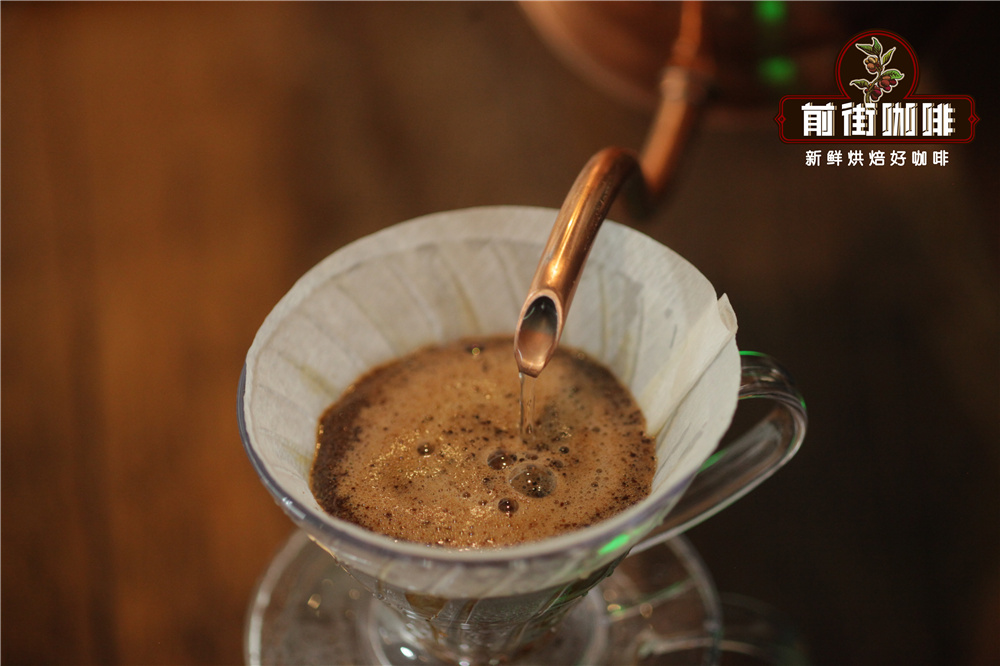
For beans with different processing methods, adjusting brewing parameters directly affects flavor release. For washed Yirgacheffe (taking the Gedeb cooperative as an example), its high-altitude native heirloom beans have bright acidity after washing; a faster-flow dripper (such as V60) is recommended, with water temperature around 91°C, a coffee-to-water ratio of 1:15, and a grind of medium-fine (80% passing a Chinese standard No. 20 sieve). Three-pour brewing enhances layering: first pour 30 grams of hot water and let it bloom for 30 seconds, then pour in a small central stream in circles to 125 grams as a break, and finally, when the water level is about to expose the bed, continue pouring to 225 grams, for a total extraction time of about 2 minutes. With these parameters, citrus and floral notes become more prominent.
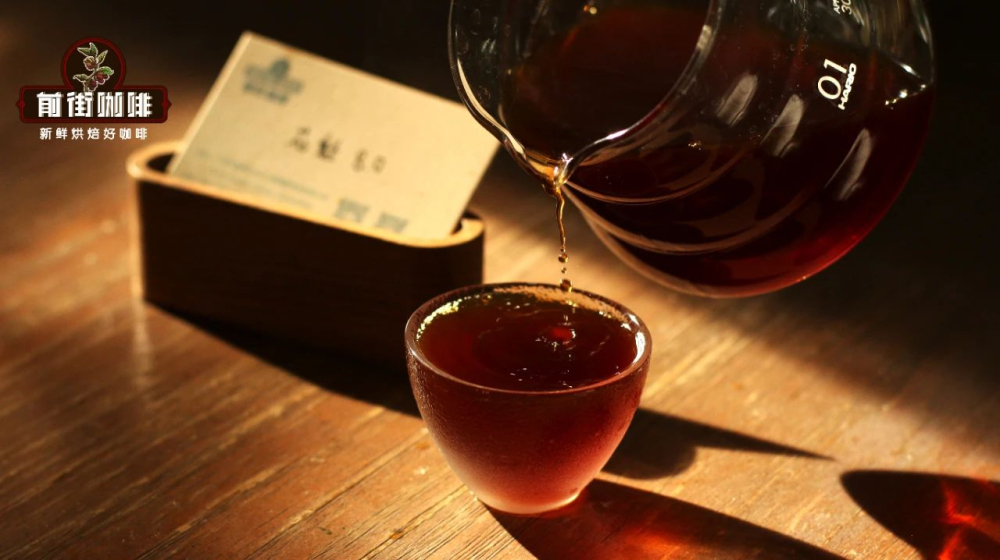
Natural Huakui 8.0 (or Huakui 6.0/5.0), because natural processing brings fuller fruit-pulp fermentation flavors (such as jackfruit, apricot, candied fruit), needs medium-light roasting to preserve sugars and aroma. For brewing, a V60 dripper is likewise recommended, with water at 91°C, a 1:15 ratio, and a medium-fine grind. The three-pour steps are similar to Yirgacheffe: 30 grams bloom → 125 grams break → 225 grams extraction, with a total time of about 2 minutes. With these parameters, the strawberry-cream sweetness and juice-like body are easier to perceive. If you prefer softer acidity, you can lower the water temperature to 90°C; if you want to intensify the floral-fruity notes, you can extend the total extraction time to within 2 minutes 10 seconds.
In summary, washed Yirgacheffe beans and natural Sidamo Huakui beans represent two classic flavor directions in Ethiopia: the former features fresh acidity and pure floral aroma, suited to enthusiasts who like a light mouthfeel; the latter concentrates fruity aroma and sweetness through natural processing, satisfying the pursuit of a fuller flavor. Whether you are a beginner or a seasoned drinker, understanding the connections among regional environment, processing method and brewing parameters will help you more accurately capture the unique charm of each bean.