Single-Origin Pour-Over Coffee Guide: Regional Flavors and Bean Buying Tips
Introduction: Gain an in-depth understanding of the definition and core value of single-origin coffee, and master the flavor characteristics and representative bean varieties of the three major continents' main producing regions. This article explains the regional features of African, American and Asian coffee in detail—from altitude and processing methods to variety differences—to help coffee enthusiasts choose suitable coffee beans according to personal taste preferences, and provides practical buying advice and brewing references.
Single-origin coffee refers to beverages made from coffee beans of a single origin, whose greatest feature is that they can be clearly traced to a specific growing region, even down to a particular estate or cooperative. This traceability is reflected not only at the national level but also extends to the micro-factors that influence flavor—such as the altitude of the growing plot, microclimate conditions and soil characteristics. By establishing direct connections with coffee farmers or estates, green bean quality can be controlled from the source, ensuring that each batch of coffee has stable regional characteristics.
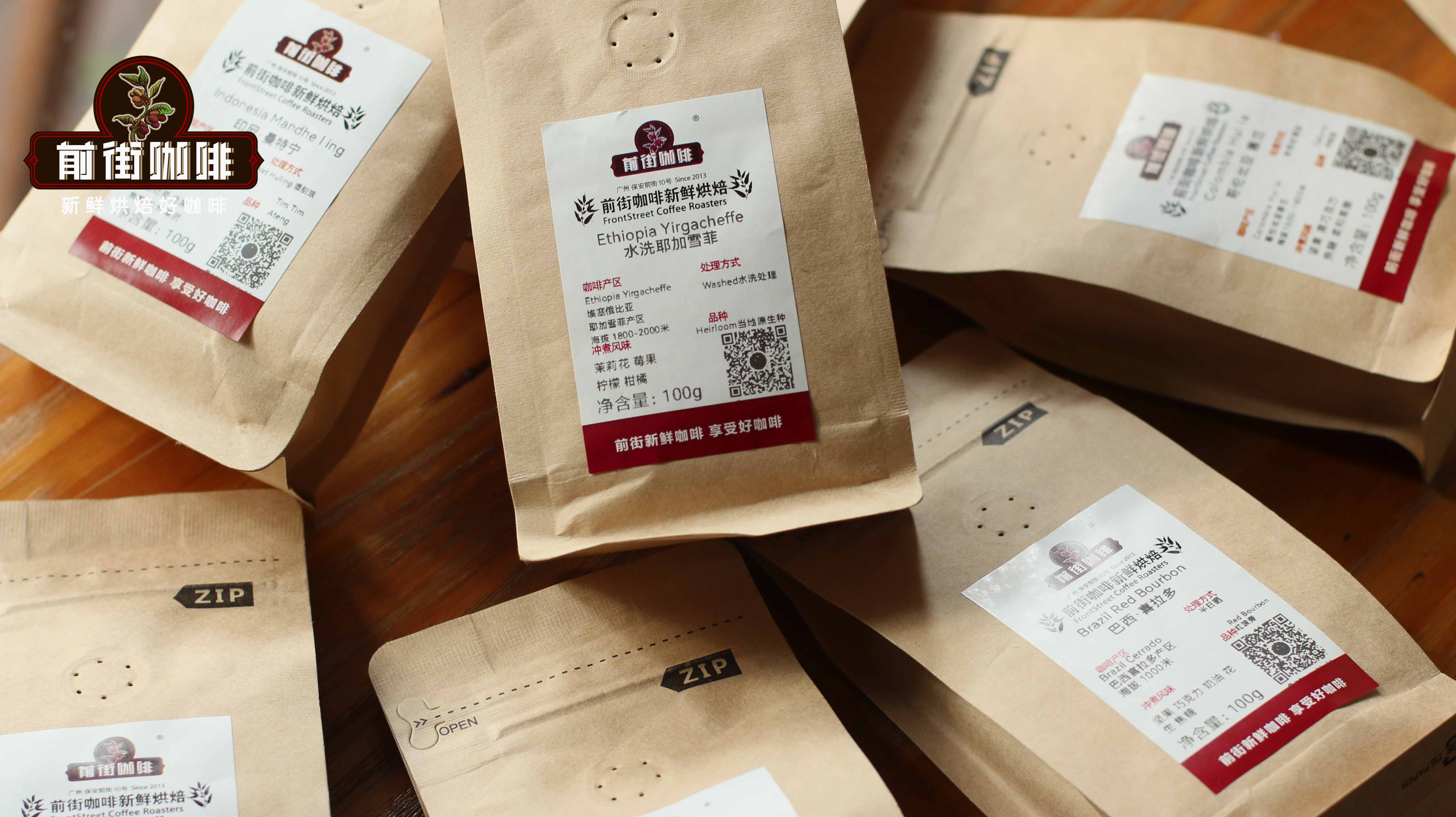
Truly high-quality single-origin coffee will clearly indicate origin information on the packaging, including country, region, altitude range and even processing method. Because different plots within the same large producing region may have completely different flavors due to altitude differences—for example, high-altitude areas usually have greater temperature differences between day and night, and coffee cherries ripen more slowly, thereby accumulating richer sugars and flavor compounds. Therefore, understanding specific origin information is an important basis for avoiding inferior goods passed off as superior, and is also the key for seasoned coffee enthusiasts pursuing flavor complexity.
The so-called regional flavor is essentially the result of multiple natural and human factors working together. Coffee tree varieties (such as Typica and Bourbon under Arabica), growing altitude, soil pH, annual rainfall distribution, and the crucial green bean processing technique (such as washed, natural and honey processing) all significantly affect the final flavor performance. These variables work together to form the unique taste signature of different producing regions.
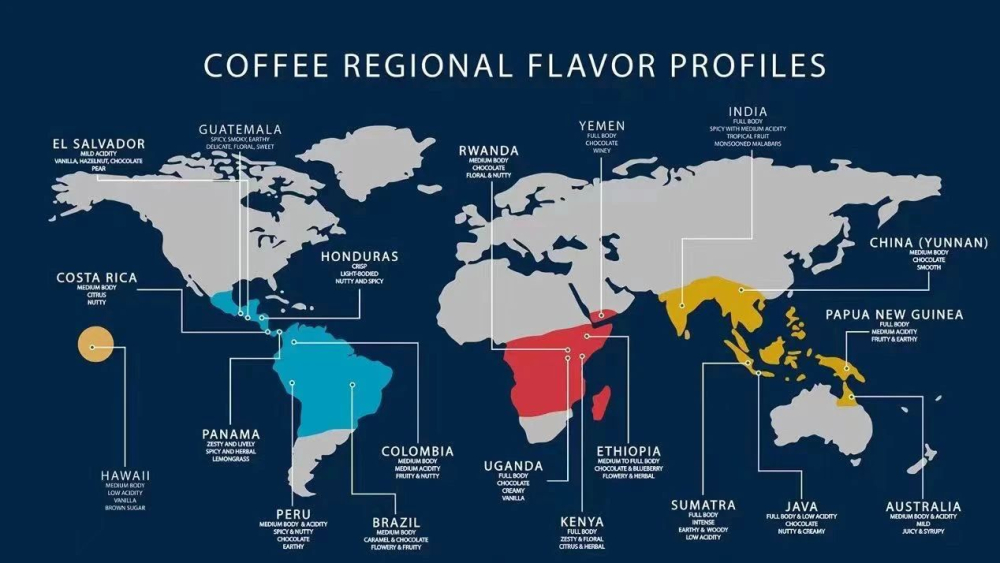
The world's main coffee producing regions can be divided into three major sections, each with distinct flavor characteristics:
The African producing region is known for its bright acidity, typically exemplified by Ethiopian highland coffee. Coffees from this region generally have active citrus-like acidity accompanied by tropical fruit aromas, and some specialty bean varieties can also display a full-bodied finish reminiscent of black tea.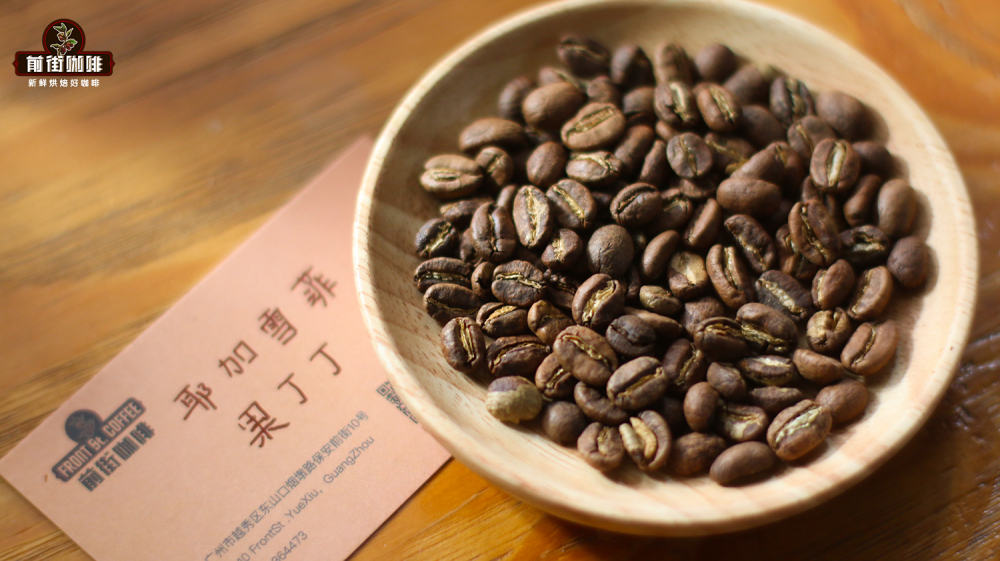 Typical producing regions are mostly above 1,800 meters in altitude; high altitude combined with volcanic soil creates unique floral and fruity notes.
The Asian producing region is known for its full-bodied base and herbal spice notes. Coffees here often have lower acidity but develop rich nutty and caramel layers, and some special processing methods (such as the wet-hulled method popular in Indonesia) also bring woody or earthy aromas. Typical altitude ranges from 800 to 1,500 meters; the hot and humid climate accelerates fruit ripening, forming a flavor profile quite different from other regions.
The American producing region sits at a balance point between the two, with mainstream flavors revolving around nuts and chocolate while retaining a moderate sweet-acid balance. Coffees from this region usually have a full body, suitable for drinkers who like mild and complex flavors.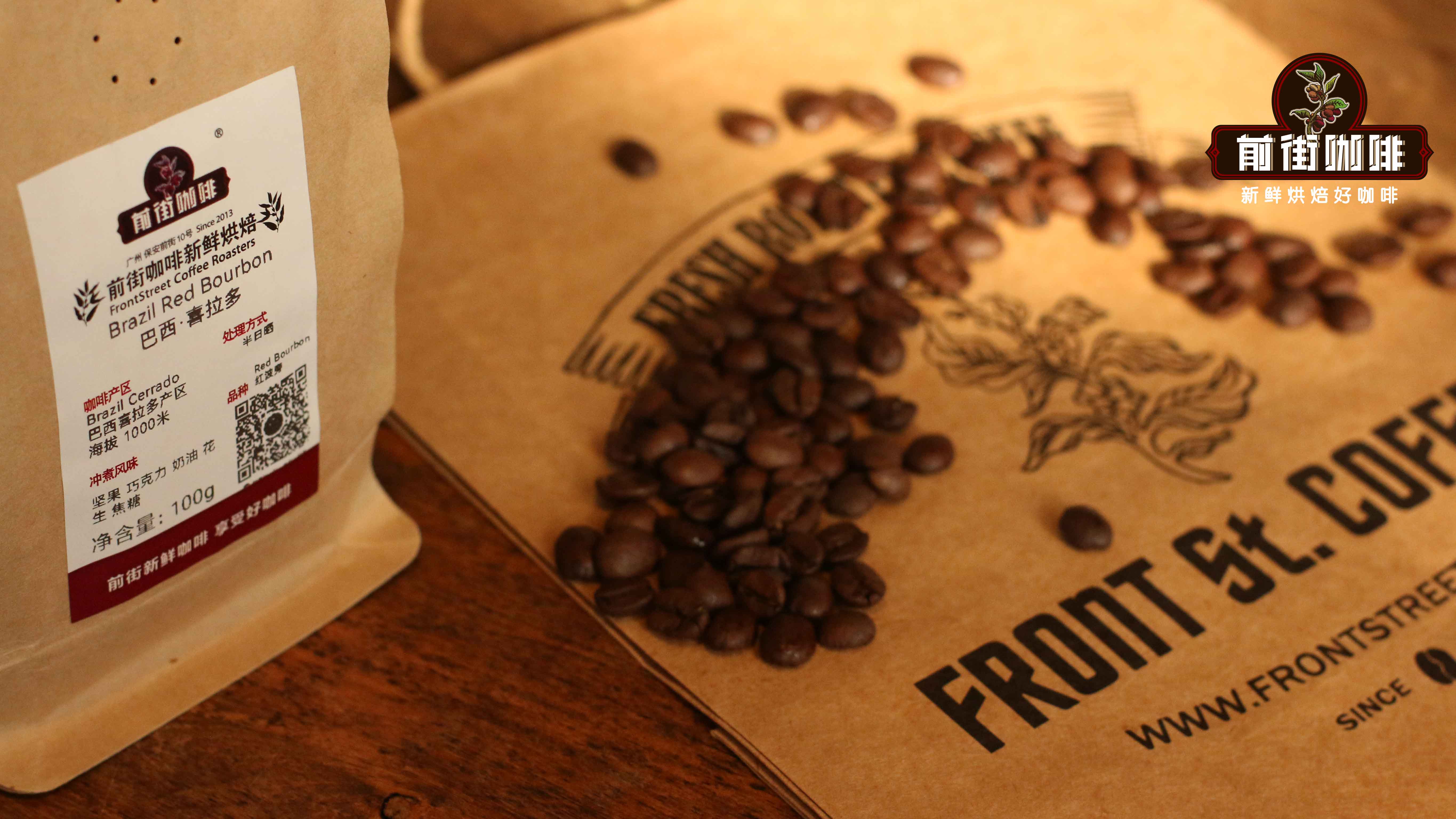 The main growing belt is distributed between 1,200 and 2,000 meters in altitude, and the temperature difference between day and night promotes the concentration of flavor compounds.
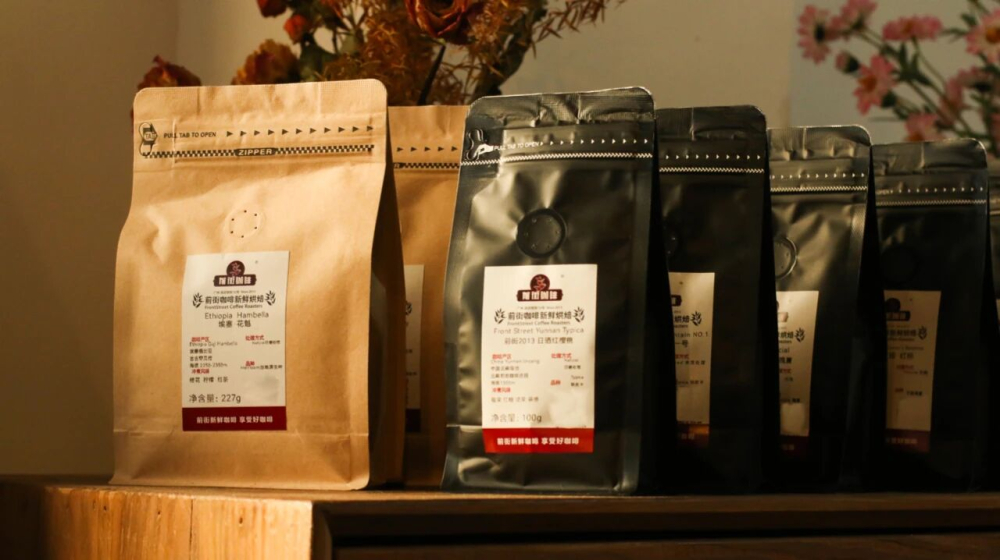
When buying coffee beans for home pour-over, it is recommended to prioritize freshly roasted batches (usually 2-4 weeks after roasting is the best tasting period). For beginners, start with balanced bean varieties at medium roast, such as American beans with nutty and chocolatey base notes, or Ethiopian natural beans with moderate sweet-acid balance. Advanced enthusiasts can adjust their choices according to extraction parameters: high-altitude hard beans (such as certain Colombian producing regions) are suitable for finer grinding and slightly higher water temperature (92-94°C), while low-altitude soft beans (such as some Southeast Asian varieties) require a coarser grind to avoid over-extraction.
No matter which producing region's coffee beans you choose, pay attention to the specific information on the packaging: in addition to the basic country + region label, high-quality products will also indicate the processing plant name, harvest year, altitude and processing method. These details not only help judge the flavor direction but are also an important basis for quality assurance. It is recommended that when trying a new producing region for the first time, choose small-package samples for cupping comparison to find the flavor type that best matches your personal taste preferences.