Arabica vs. Robusta: How High-Altitude Growing Affects Flavor
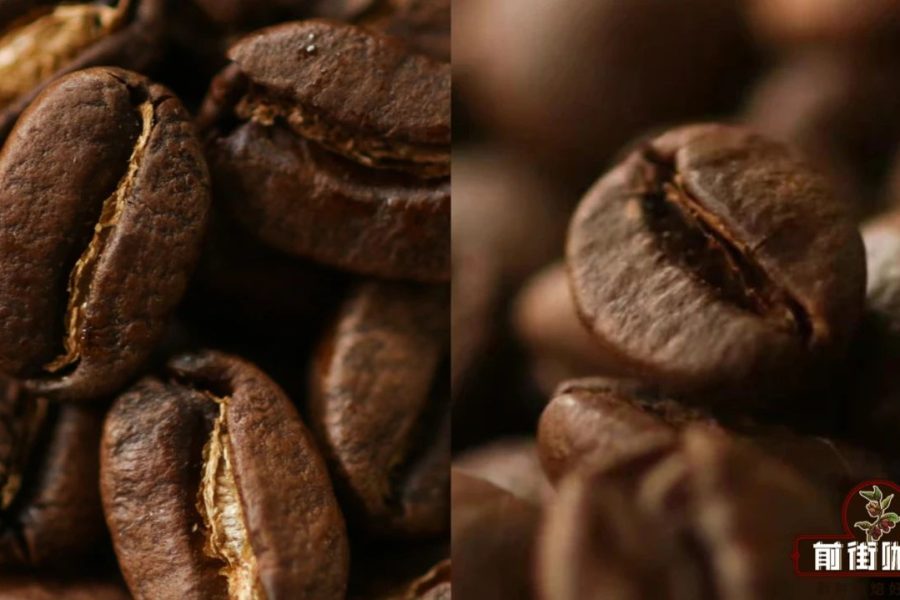
Introduction: The flavor of specialty coffee is inseparable from coffee bean varieties and growing environments. This article explains the core differences between the two major coffee bean species, Arabica and Robusta, from suitable altitudes and growing conditions to flavor characteristics, helping you understand why high-altitude Arabica beans are more favored by pour-over enthusiasts. It also analyzes the unique uses and roasting suggestions for Robusta beans, so whether you are a coffee novice or want to optimize your home brewing setup, you will find practical references.
Botanically, the coffee tree belongs to the Rubiaceae family, Coffea genus, and the coffee beans consumed daily mainly come from two original species: Arabica and Robusta. The specialty coffee system focuses mostly on subdivided varieties of Arabica, such as Typica, Bourbon, and Caturra. These coffee trees, as evergreen shrubs, are mainly grown worldwide in tropical and subtropical regions between 25 degrees north and south latitude, covering about 70 countries. From planting to first fruiting requires patient waiting—after field planting, coffee trees usually go through a 3 to 5 year growth period, and only when mature do they produce small white five-petaled flowers with a delicate fragrance similar to jasmine.

The flowering period of coffee trees is extremely short; flowers begin to wither about 3 days after blooming and basically fall within a week. Then the receptacle gradually swells to form fruit, and after a 6 to 8 month gestation period, the coffee fruit changes from initially green hard seeds to a soft state. Fully ripe fruit is bright red, while a few special varieties such as Yellow Bourbon appear yellow, so coffee fruit is often vividly called "red cherry" or "coffee cherry" in the industry. The complete cycle from flowering to harvest directly affects the quality foundation of the final coffee beans.
Looking at the growth characteristics of the two mainstream coffee bean species, altitude is the most critical differentiating factor. The suitable growing altitude for Robusta is below 800 meters; this coffee tree shows strong environmental adaptability and natural resistance to common pests and diseases, so it can grow vigorously in low-altitude hot and humid areas. In contrast, Arabica requires a higher altitude environment of 1000-2000 meters, and the low-temperature slow-ripening growing conditions prompt the fruit to accumulate richer flavor substances, which is the scientific reason why high-altitude Arabica beans usually have more complex aroma layers.

In terms of processing steps, all coffee beans need initial processing to remove the outer skin and pulp, retaining the seed with its parchment for seedling cultivation. The processed seeds are placed in a nursery for 1-2 months, during which the main root gradually sprouts and seedlings form; after about 9 months they grow into small saplings about 50 cm tall with 12-16 true leaves, at which point they can be transplanted to a permanent plantation. It is worth noting that regardless of variety, coffee trees need at least 3 years of continuous care before entering their first flowering and fruiting period.
In terms of flavor characteristics, Robusta shows distinct traits: extremely low acidity but prominent body, often with complex flavors such as walnut, herbal, woody notes, and roast aroma. Its oil content is generally higher than that of Arabica, which makes it an important component of espresso blends. About 30% of global coffee production comes from Robusta, with main growing regions including Indonesia, India, Vietnam, and Laos, and it is also cultivated in Hainan and Guangdong in China. Because of its pronounced bitterness and weak acidity, high-quality Robusta beans are usually used in professional espresso blends, while ordinary grades are commonly found in instant coffee products.

For home coffee-making scenarios, understanding bean characteristics helps optimize brewing plans. Dark-roasted Robusta beans can produce a rich crema (coffee oil layer), suitable for users seeking a strong mouthfeel. Medium-dark roasted blended formulas (such as blends containing 10-30% Robusta) often release warm aromas of butter, toasted bread, and caramel biscuit during extraction; such combinations have both a full body and relatively approachable acidity, especially suitable for coffee beginners to build taste perception. If using such blended beans, it is recommended to adjust the grind to medium-fine (similar to granulated sugar particles) and extract with 92-94°C water temperature to balance the bitter-sweet ratio and obtain a stable flow rate.
In summary, altitude not only determines the living environment of coffee trees but also profoundly affects the chemical composition and flavor direction of the bean species. The slow growth process of Arabica at high altitudes creates its characteristic floral and fruity notes and bright acidity; while the robust performance of Robusta at low altitudes provides a full-bodied base and rich oils. When consumers face coffee products from different origins and processing methods, understanding these basic differences will help make more precise choices, whether buying single-origin pour-over beans or blending home espresso beans, to more effectively match personal taste preferences.