El Salvador coffee regions: a guide to volcanic, high-altitude specialty beans
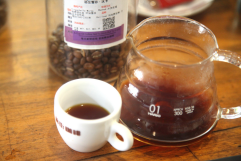
Introduction: Want to know how a small Central American country produces such distinctive specialty coffee? El Salvador's volcanic landscape and high-altitude growing environment have cultivated classic Arabica varieties such as Typica and Bourbon. This article takes you into the coffee-growing belt of this volcanic country, explaining the growing secrets of the 1,000–1,200 m elevation zone and the differences between mainstream processing methods, and interpreting how its sweet, balanced flavor is formed, helping you build an accurate understanding of Central American coffee.
Within Central America's long, narrow volcanic belt, El Salvador is small in land area, yet its unique geography has made it an important specialty coffee origin. More than 80% of the country's coffee-growing areas are distributed across mountain plateaus at elevations of 1,000 to 1,200 m, where the cool climate with a day-night temperature difference of 8–10°C and mineral-rich volcanic soil together create ideal growing conditions for Arabica coffee beans.
Unlike low-altitude origins such as Brazil, El Salvador's coffee farmers generally use a shade-growing system. By retaining native trees to shade the coffee trees, they not only keep leaf temperatures below 28°C (the optimal range for photosynthesis) but also slow fruit ripening, promoting the accumulation of flavor compounds. This traditional growing method makes the coffee beans denser, laying the foundation for subsequent refined processing.
The country's coffee processing centers on three main methods: washed processing accounts for about 60%, using fermentation to remove the pectin and producing a clean, bright acidity; sun-drying retains more sugar and suits dark-roast espresso; and honey processing (30% of output) balances sweetness and body by controlling how much pectin is retained. Notably, local farmers fine-tune processing parameters according to elevation—in high-altitude areas above 1,200 m, drying time is usually extended to 18–21 days to ensure the moisture content stabilizes at around 11%.
The four main varieties grown in El Salvador each have their own characteristics: Typica brings an elegant acidity with pronounced citrus notes, Bourbon contributes caramel-like sweetness, Pacas enhances body and nutty aroma, and Pacamara, a natural cross between Bourbon and Pacas, is known for its large bean size (19 screen on average) and often carries a distinctive peach flavor. After decades of local selection and breeding, these varieties have adapted to the high pH of the volcanic soil.
Field observations show that the local main harvest period runs from November to March, when ripe coffee cherries turn an even deep red. Experienced pickers perform more than four rounds of manual sorting to ensure only fully ripe fruit is picked—a step that directly affects the final cupping score for cleanliness. For home brewing enthusiasts, when choosing El Salvador honey-processed beans, a water temperature of 92–94°C with a medium-fine grind (75% passing a Chinese standard No. 20 sieve) is recommended to better highlight their signature caramel sweetness.


