Beginner's Guide: 5 Tips for Choosing Fresh Coffee Beans + 7 Flavor Recommendations
Introduction: Choosing quality coffee beans is the key first step to enjoying a good cup of coffee. This article explains in detail how to judge coffee bean freshness through core factors such as roast date, processing method and roast level, and also provides 7 coffee bean recommendations with different flavors and their suitable scenarios, helping beginners quickly find beans that match their personal taste preferences and master basic extraction parameters.
When choosing coffee beans, the roast date is the most important criterion. The production date marked on the packaging is usually the roast date. Freshly roasted coffee beans are at their best within 40–50 days after roasting. Beyond this period, the coffee's aroma gradually fades and may even develop off-flavors resembling wood. Ideally, it is recommended to choose beans within 10 days after roasting, when acidity, sweetness and aroma reach a perfect balance. Be sure to check whether the packaging shows a specific roast date rather than a vague "production date."
The processing method and roast level of coffee beans directly affect the final flavor. Light Roast retains more bright flavors such as fruit and floral notes, but the acidity is more pronounced; Medium Roast presents a classic balance of acidity, sweetness and bitterness, suitable for most coffee lovers; Dark Roast highlights mellow flavors such as nuts and chocolate, with a more prominent bitterness. Beginners are advised to start with medium roast, which allows them to experience coffee's complex layers without being put off by overly strong acidity or bitterness.

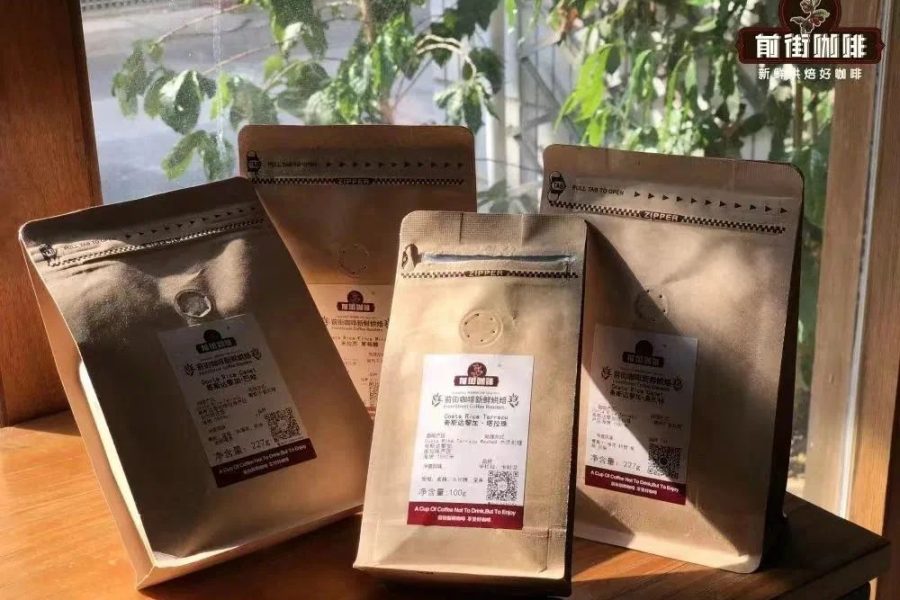
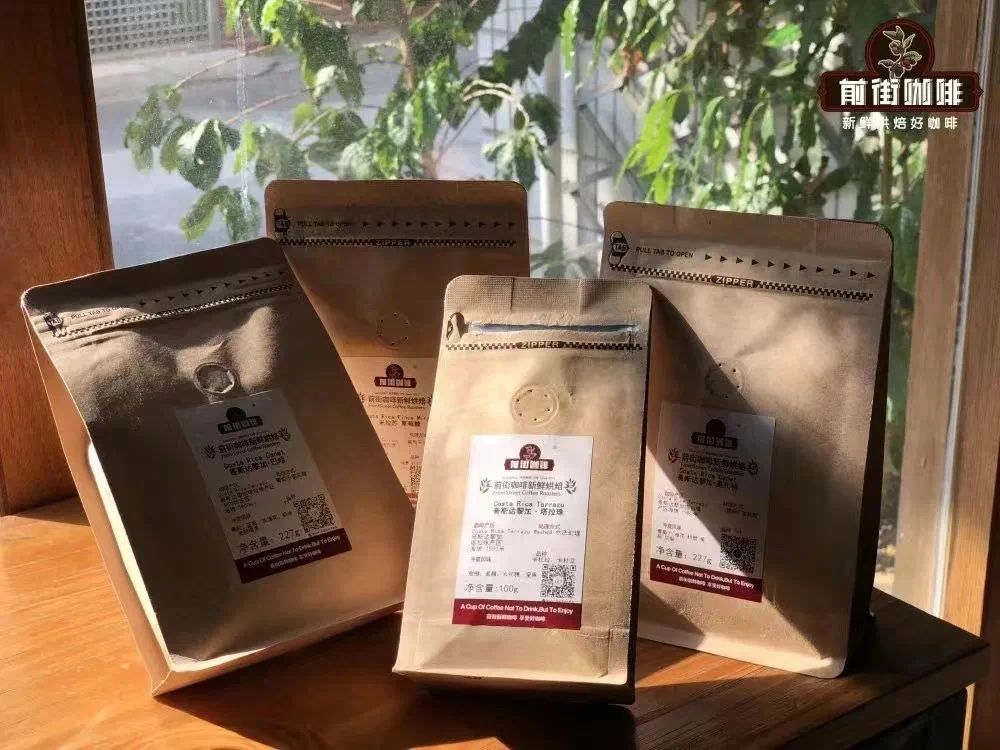
Another key to judging coffee bean freshness is observing the packaging. Quality coffee beans usually use one-way degassing valve packaging, a design that allows coffee beans to release carbon dioxide while preventing oxygen from entering. Avoid buying beans in transparent packaging, because light accelerates flavor loss. If the packaging does not clearly indicate the roast date, or shows it was opened long ago, choose cautiously. In addition, whole coffee beans keep longer than ground coffee powder, so it is recommended to buy whole beans and grind them at home.
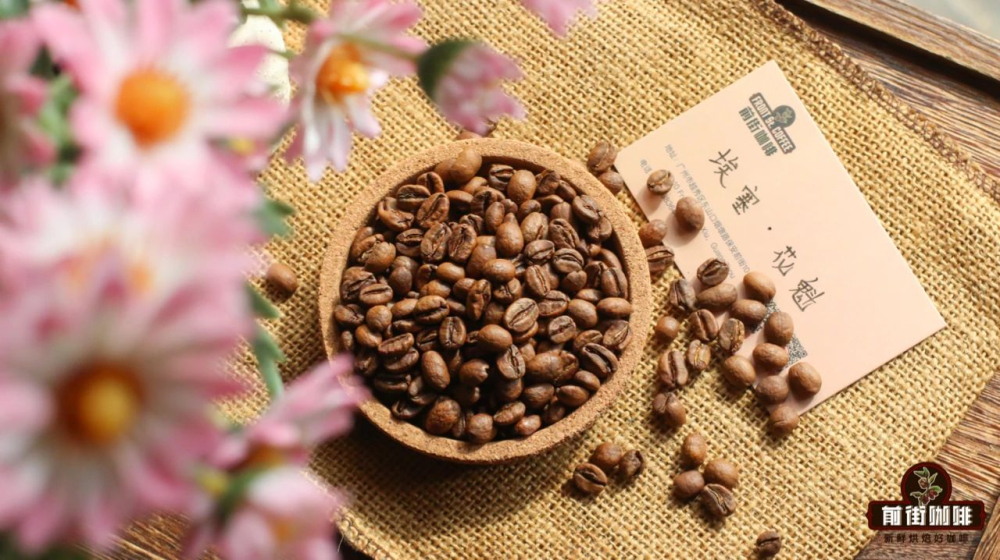
Different origins and processing methods give coffee beans unique flavor characteristics. For example, Ethiopian coffee often has bright citrus acidity and floral notes, suitable for those who like a fresh taste; Indonesian coffee, due to wet-hulling, usually has lower acidity and a rich earthy spice aroma. As for processing methods, natural processing enhances sweetness and fruitiness, washed processing brings cleaner acidity, and honey processing falls between the two with prominent sweetness. Understanding these basic characteristics can help you narrow down your choices according to personal taste preferences.
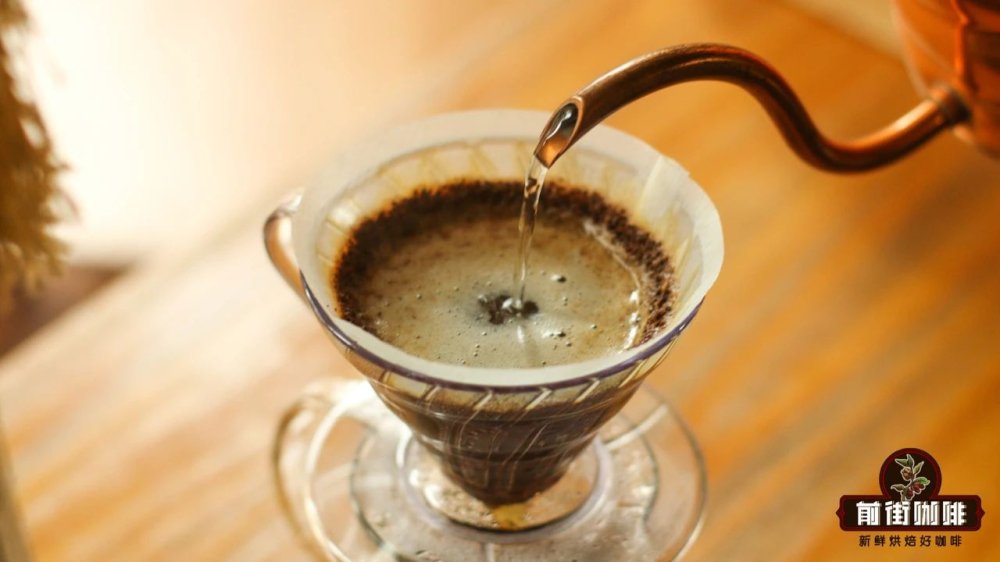
For pour-over coffee lovers, the choice of extraction parameters is equally important. Generally, a medium-fine grind (similar to fine granulated sugar) combined with a water temperature of 90–94°C better brings out the flavor of most coffee beans. When pouring, segmented extraction is recommended: first pour a small amount of hot water and let it bloom for 30 seconds, then pour in circles up to the target water amount. Different roast levels require slight parameter adjustments: for light roast beans, lower the water temperature to 88–90°C and extend the extraction time; for dark roast beans, use a slightly higher water temperature of 92–94°C and shorten the extraction time to avoid excessive bitterness.
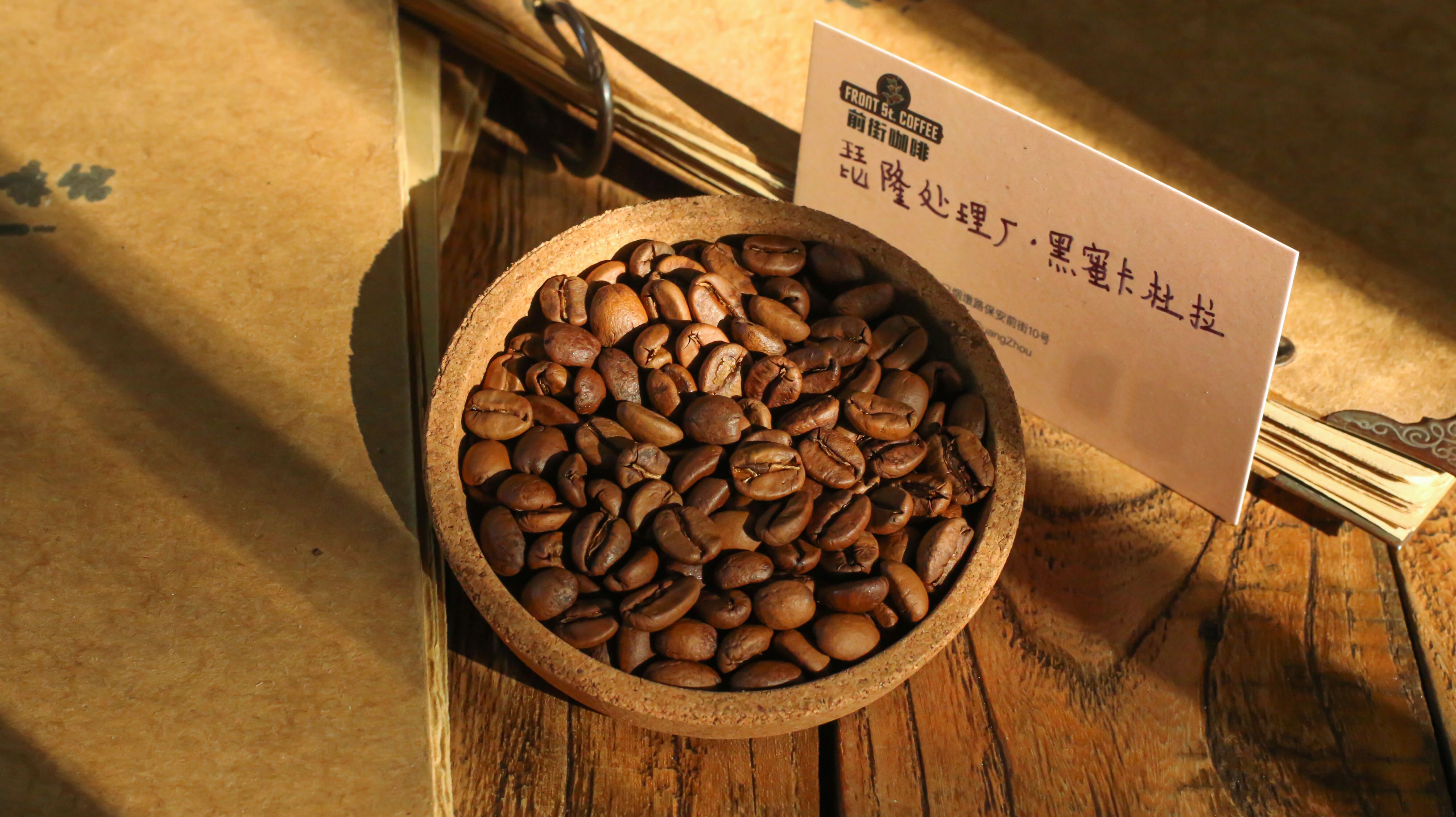
Seven coffee beans with typical flavor characteristics and their suitable scenarios: the first has rich floral and fruity aroma, with obvious berry sweetness and acidity and wine-like notes, suitable for making ice drip or cold brew coffee, not recommended for espresso; the second is known for its sweetness, presenting a harmonious combination of honey, tropical fruit and floral notes, with a smooth mouthfeel and strong sweet aftertaste, suitable as an everyday staple bean; the third highlights chocolate and nut flavors with balanced bitterness and sweetness, an excellent base for making lattes and other milk coffees; the fourth undergoes special processing that weakens the herbal notes of traditional origins and emphasizes dark chocolate and caramel sweetness, suitable for black coffee drinkers; the fifth is designed specifically for espresso machines, with prominent nut and chocolate flavors and extremely low acidity, performing excellently with milk; the sixth is an all-purpose blend with a mild, non-extreme taste, suitable for various brewing methods and beginners; the seventh is full of tropical fruit fermentation, with complex aromas such as passion fruit and grape, especially suitable for making iced coffee and creative specialty drinks.
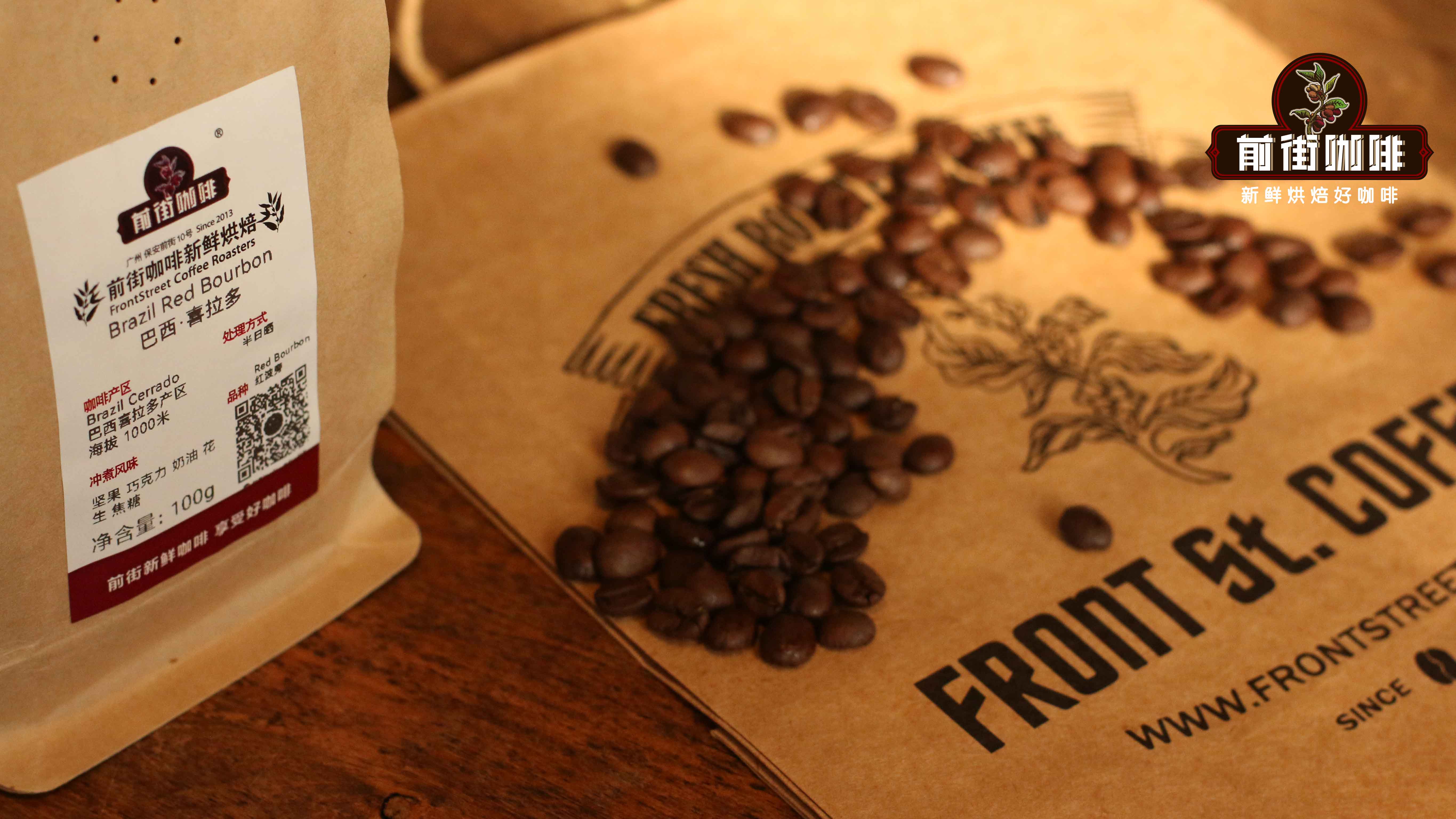
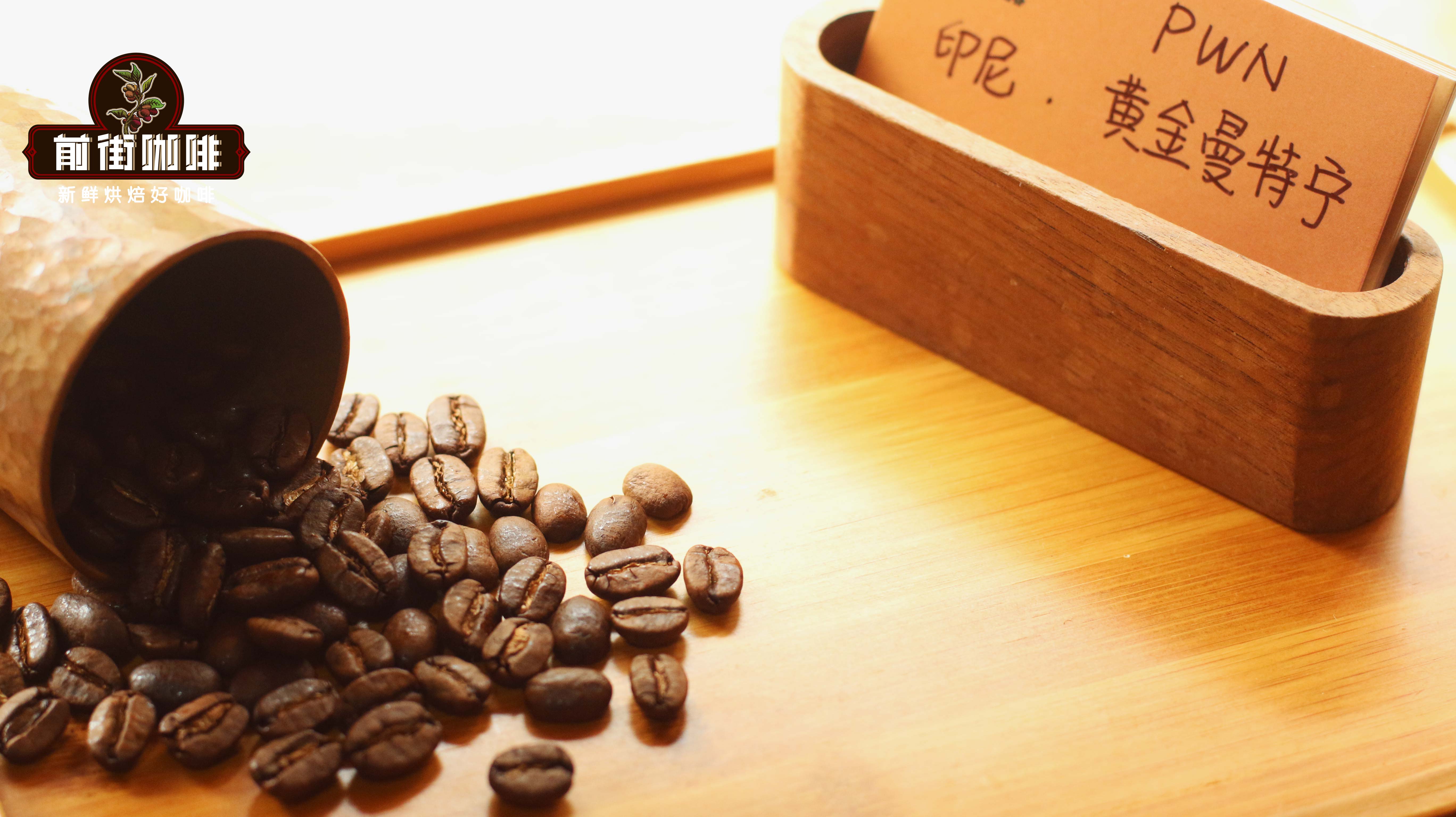
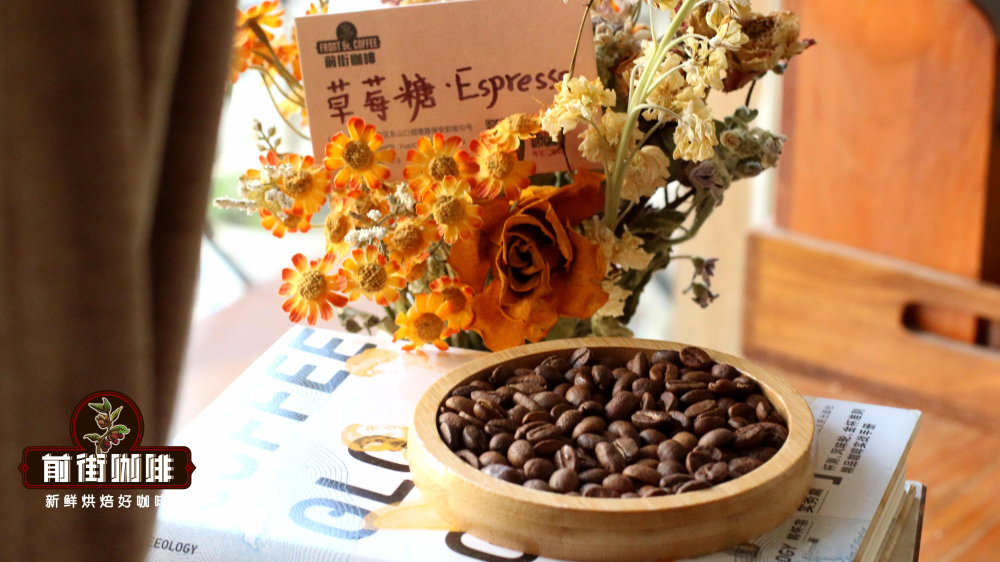
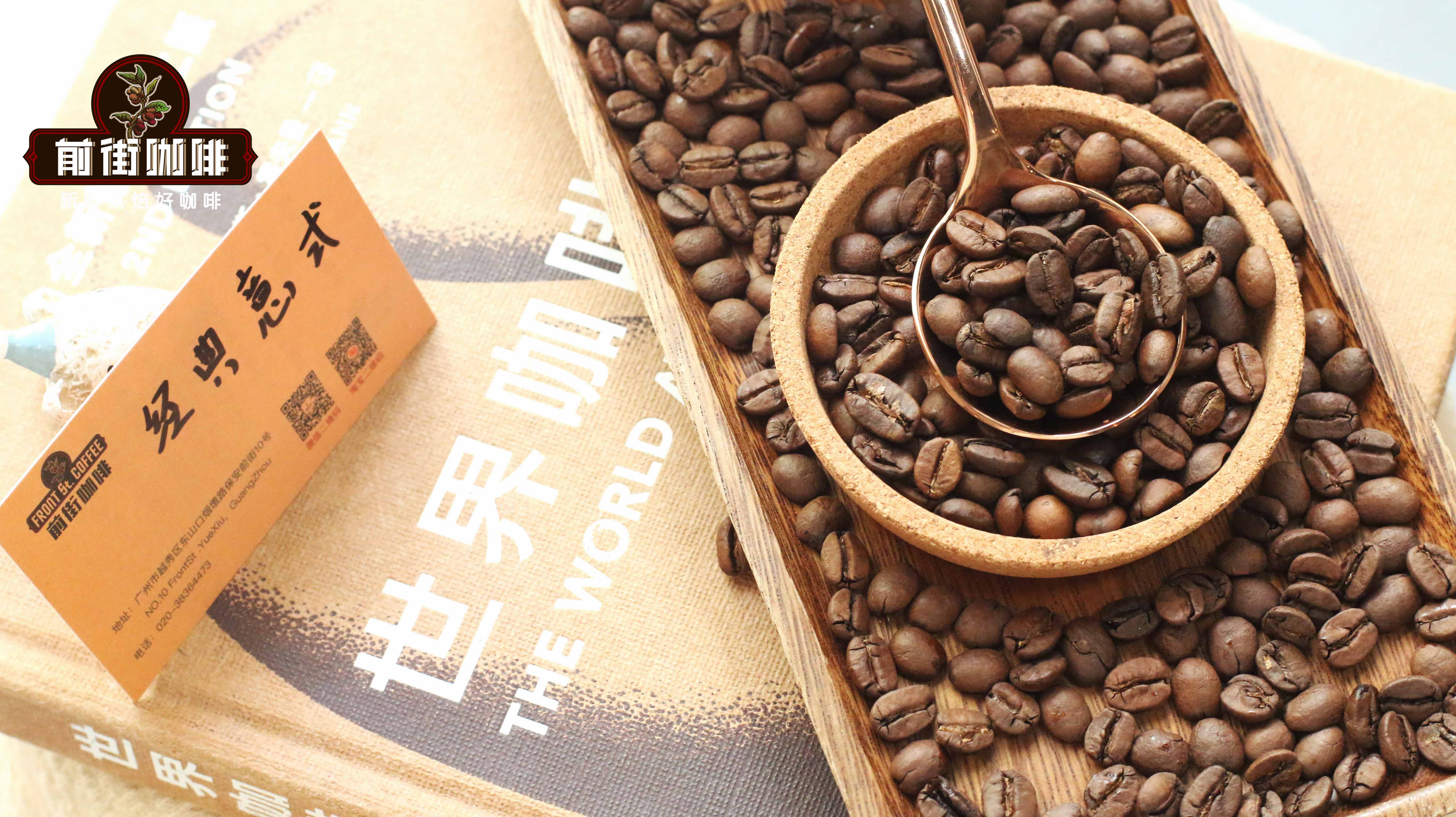
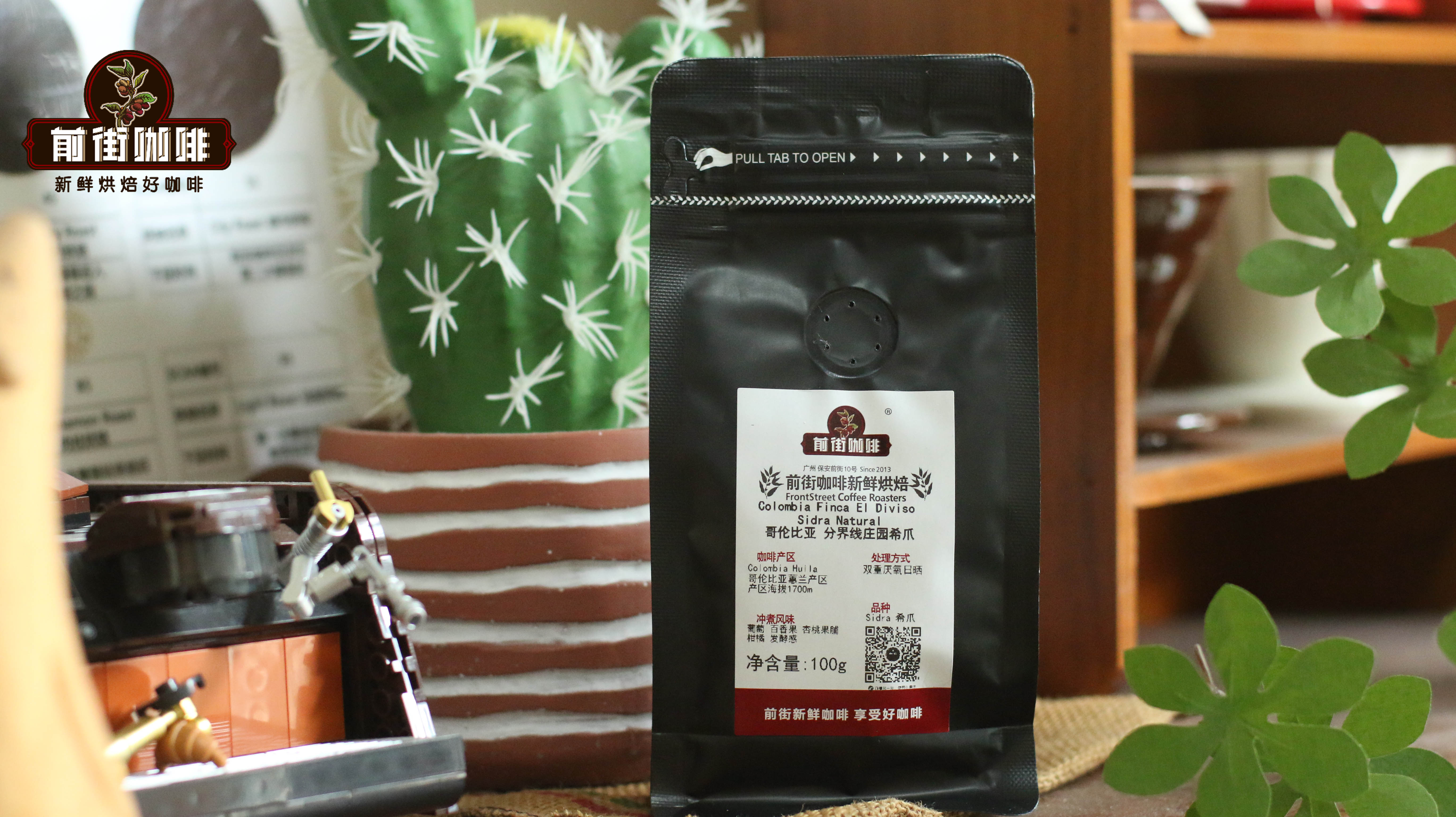
Finally, a few practical details: when buying, check whether the packaging is intact, and give priority to those with a one-way degassing valve; after opening, try to use up within two weeks, store in a cool, dark place, and you may place them in an airtight jar with food-grade oxygen absorbers; grind just before use, and adjust the grind size for different brewing methods—medium-fine grind for pour-over, coarse grind for French press, and extra-fine grind for espresso machines. Master these basic principles, and you will be able to pick the one that best suits your taste from among the many coffee beans.


