Blue Mountain Drip Bag Coffee Brewing Guide: Pour-Over Parameters and Flavor Tips for Beginners
Introduction: Want to enjoy high-quality coffee easily at home? Drip bag coffee is a choice that combines convenience and flavor. This article explains in detail the correct brewing process for specialty drip bags such as Blue Mountain, including key parameters such as water temperature control, coffee-to-water ratio, and pouring technique, and shares practical tips and common mistakes for improving flavor, helping you brew a professional-grade cup with simple tools.
For enthusiasts who seek convenience without sacrificing coffee flavor, drip bag coffee is undoubtedly an ideal choice. This product, falling between instant coffee and pour-over, needs only hot water and a filter bag to recreate the essence of freshly ground coffee. Mastering the correct brewing method not only fully releases the regional characteristics of the coffee beans but also allows flexible adjustment according to personal taste.
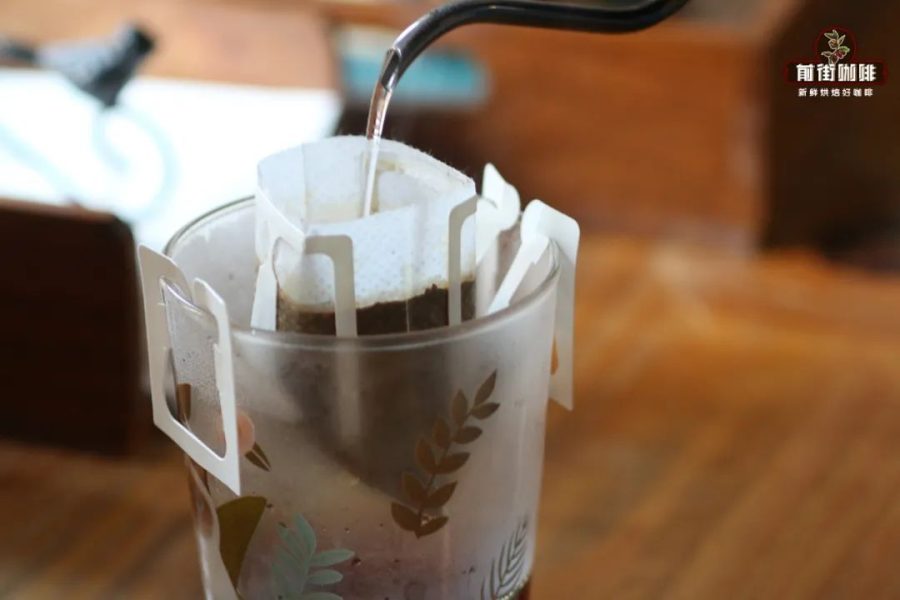
The basic brewing process can be divided into three stages. First, heat water to near boiling and prepare a container that can hold about 150 milliliters of liquid. Take out the individually packaged drip bag, tear open the non-woven fabric part along the pre-cut line on the packaging, carefully unfold the filter paper handles on both sides, and hang them symmetrically on the rim of the cup. In this step, make sure the filter bag is fully opened to avoid water channeling that affects extraction evenness.

Before formal brewing, pre-infusion is recommended: pour in 30 milliliters of hot water at 85-90°C to evenly wet all the coffee grounds. This step is called "blooming"; lasting about 15 seconds, it allows the coffee grounds to release carbon dioxide and creates stable conditions for subsequent extraction. The surface of the coffee bed should appear evenly expanded, which is an important sign of fresh roasting.

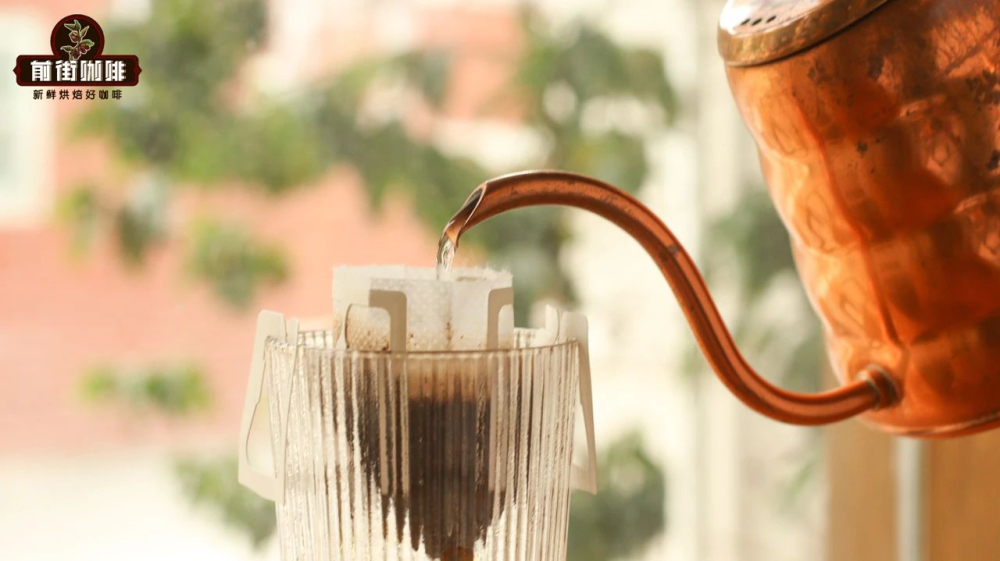
Formal pouring should use a staged operation. First, slowly pour with a thin stream until half of the total water volume (about 75 milliliters), keeping the stream height 2-3 centimeters above the coffee bed to ensure even saturation. When the liquid level drops to expose the coffee bed, continue pouring the remaining water in the same way. It is recommended to control the total water volume at about 150 milliliters throughout, with brewing time kept within 2.5 minutes. Pay attention to the flow rate: too fast may indicate overly coarse grinding, while too slow may indicate clogged filter holes.

Many factors affect the final flavor, among which the freshness of the coffee beans is the most critical. Professionally roasted coffee beans usually need 5-7 days to complete the degassing process, during which flavor compounds gradually integrate and reach their best state. After receiving drip bags, it is recommended to use them as soon as possible; when storing, keep them away from light and moisture. If the aroma is noticeably weakened, the optimal tasting period may have passed.

Water temperature control directly affects flavor expression. Experimental data shows that a water temperature range of 88-92°C best balances acidity, sweetness, and bitterness. Too high a temperature (above 96°C) easily leads to over-extraction and burnt bitterness, while below 85°C may cause under-extraction and a flat flavor. In practice, boiled water can be left to stand for 1-2 minutes to cool naturally, or a thermometer can be used for precise measurement.

Grind size and pouring technique need to work together. Drip bag coffee usually uses a medium-fine grind similar to pour-over, with a texture like fine granulated sugar. The water stream should be kept steady when pouring; a gooseneck kettle is recommended for circular pouring, expanding from the center outward and then returning to the center. Avoid directly hitting the edge of the filter bag, as this easily causes local over-extraction. Beginners can first use a 1:15 coffee-to-water ratio (for example, 10 grams of coffee with 150 milliliters of water) as a baseline, then adjust according to taste preference.

There are many classic flavor options worth trying on the market. For example, naturally processed beans from the Ethiopian highlands often have bright berry notes and a black tea finish, suitable for those who like fruity aromas; while coffee beans from regions at an altitude of about 1,300 meters, after medium roasting, often present a mellow mouthfeel of nuts and chocolate with excellent balance. Processing methods in different regions give coffee unique regional characteristics, ranging richly from the freshness of citrus fruits to the intensity of tropical fruits.
Professional-grade brewing also requires attention to equipment pairing. It is recommended to use a ceramic or glass sharing pot, avoiding plastic containers that may affect flavor judgment. As for water quality, filtered soft water better highlights the delicate layers of coffee. If pursuing the ultimate experience, prepare a simple electronic scale to precisely control the coffee-to-water ratio, as well as a timer to monitor brewing duration. The accumulation of these details will significantly improve the quality of home coffee.
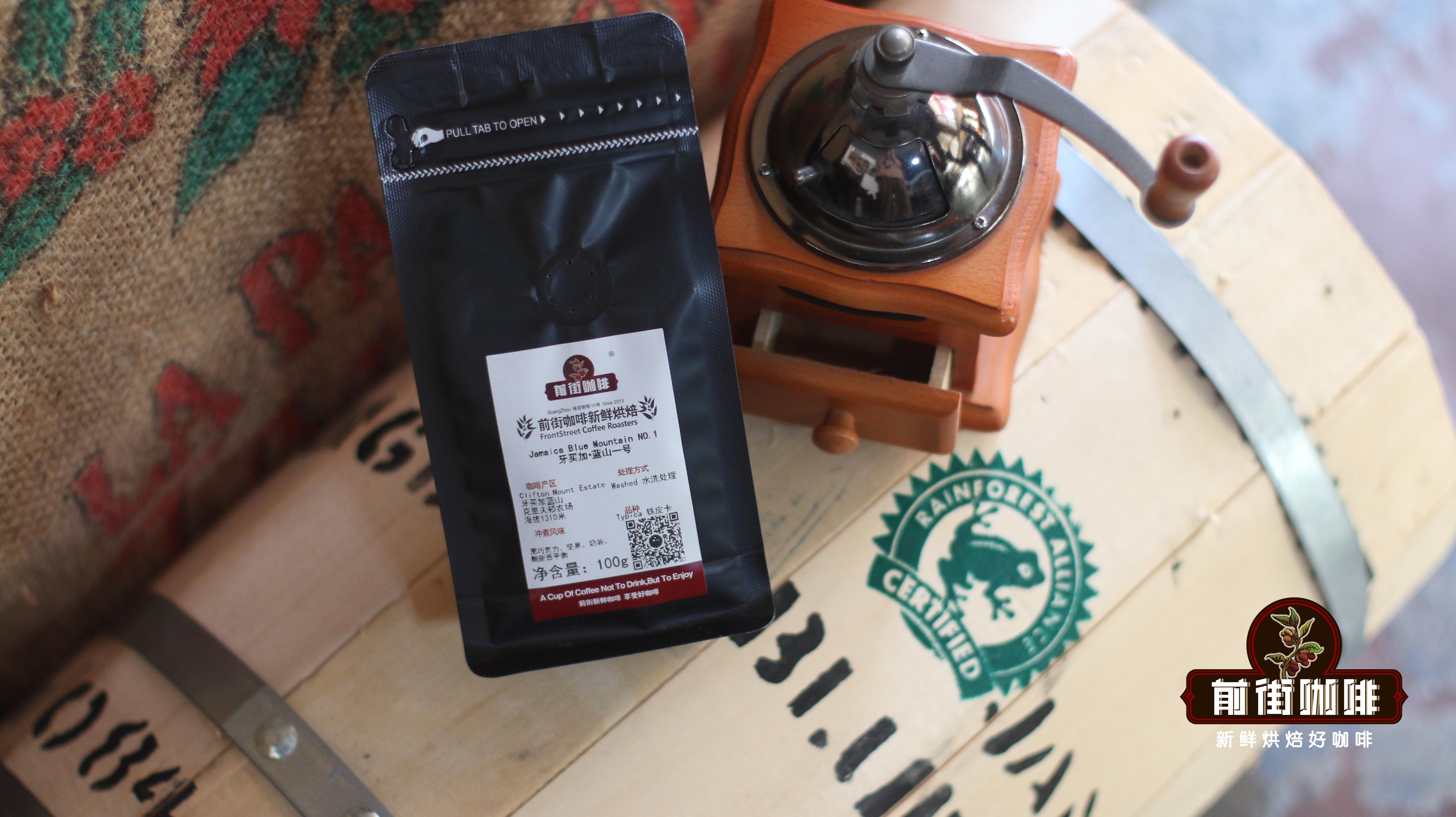
For beginners new to drip bag coffee, it is recommended to start with a medium-roast blended bean. Such products usually have a balanced acidity-to-bitterness ratio, making it easier to establish a correct taste reference. As experience accumulates, you can gradually explore the flavor differences brought by different processing methods and ultimately find the combination that best suits your personal preference. Remember, good drip bag coffee should present clear layers, with rich flavor changes perceptible from the first sip to the finish.