Ethiopian Coffee Explained: From Cultural Ritual to Regional Flavor
Introduction: A deep exploration of Ethiopia as the birthplace of coffee, its unique cultural traditions and modern industrial system. This article systematically reviews the legendary origin story and the complete process of the home coffee ceremony, explains the smallholder farming model and cooperative processing mechanism in detail, and focuses on analyzing the terroir characteristics and processing differences of the two top regions, Yirgacheffe and Sidamo, to help you fully grasp the coffee code of the Horn of Africa.
Located in the Horn of Africa, Ethiopia, with its perfect combination of highland terrain and tropical highland climate, nurtures the world's most renowned coffee gene pool. An excellent environment with an average annual temperature stable at 15-25°C, together with the intensive cultivation of more than 1.2 million family farmers, makes this place both the cradle of coffee civilization and an important source of specialty coffee beans.

The moving legend about the origin of coffee is still circulated in Ethiopia today: the shepherd Kaldi discovered that his goats became unusually active after eating red berries, and after trying them himself he experienced an unprecedented state of alertness. Although this story, passed down through generations, cannot be verified, it truly reflects the local coffee-drinking history of more than a thousand years—the coffee aroma that rises daily in villages still maintains the most primitive brewing method: crushing charcoal-roasted beans with an iron pestle, boiling them in a special pot with spices and cane sugar, and finally enjoying them with traditional flatbread.

The most distinctive feature is the three-stage coffee ceremony that has been passed down to this day: first, green beans are roasted to a dark brown on a flat iron pan, ground with a pestle and mortar, and then placed in a clay pot called a "Jebena" to boil. The first coffee, "Abol," requires an elder to recite a blessing; the second, "Tona," is suitable for casual conversation among relatives and friends; and the final, "Beraka," symbolizes completeness. The whole process takes 40-60 minutes, during which the coffee grounds settle three times, creating a layered and rich taste experience.

The cornerstone of Ethiopia's coffee industry lies in the smallholder farming system in the west and south. These family farms, which manage an average of 4-6 hectares of land, generally adopt an ecological model of intercropping coffee trees with banana trees—the tall banana trees not only provide shade for the delicate coffee seedlings, but their fallen leaves also naturally nourish the soil. About 85% of production is centrally processed through more than 600 cooperatives across the country. Farmers deliver fresh cherries to processing plants near water sources, where they are uniformly washed or sun-dried and then sold under the cooperative's name.

Among the many high-quality regions, Yirgacheffe can be regarded as the benchmark of specialty coffee. This sub-region under the Sidamo zone achieved a leap in quality after the introduction of Central and South American washing techniques in the 1970s: by precisely controlling fermentation time and water flow rate, it successfully highlighted bright citrus notes and jasmine aroma. It is worth noting that, according to the definition of the Ethiopia Commodity Exchange (ECX), products from four towns including the neighboring Gelena Abaya can all share the certified label of "Yirgacheffe flavor," characterized by bright acidity with a pH of 5.2-5.8 and clear berry layers.

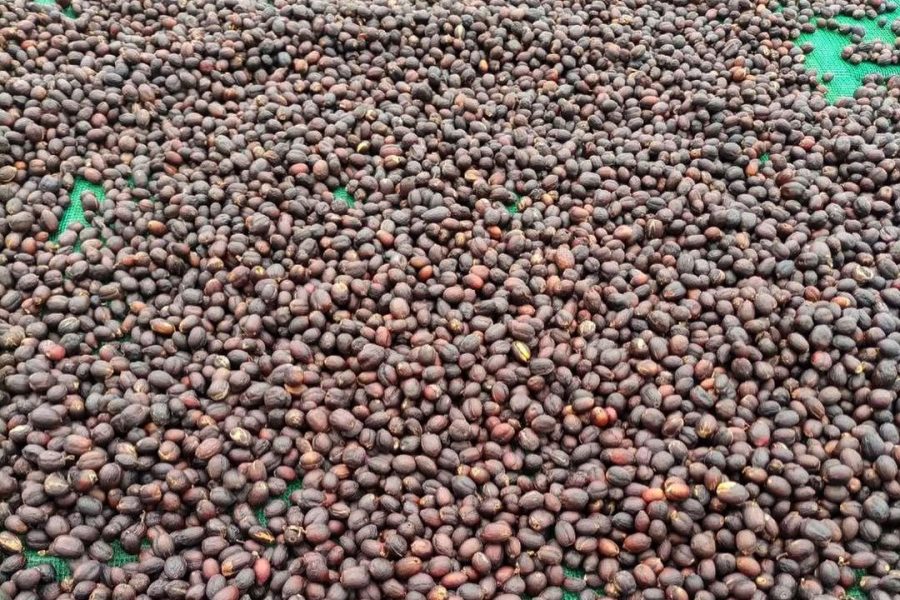
The Sidamo region, by contrast, retains a more traditional processing philosophy. Although there is controversy over the administrative name (now corrected to Sidama), consumers still use the historical name. The growing belt at an altitude of 1,700-2,200 meters in this area generally uses the natural process, allowing the sugars in the mucilage to fully penetrate into the core of the bean through a 14-21 day natural drying process—this technique creates the signature tropical fruit sweetness and full-bodied richness. For example, the Hamasho processing station at an altitude of 2,250 meters uses the 74158 variety with fully ripe red cherry natural processing to present distinct mango and guava flavors.