Pour-Over vs. Espresso Beans: Buying Guide to 5 Classic Espresso Blends
Introduction: Learn the core differences between pour-over coffee beans and espresso beans, and master the roasting characteristics and flavor profiles of espresso blends. This article details five classic espresso blends suitable for daily home use, covering rich, nutty, and floral-fruity styles, and offers advice on freshness management and flavor preservation to help you easily recreate the full-bodied taste of your favorite café.
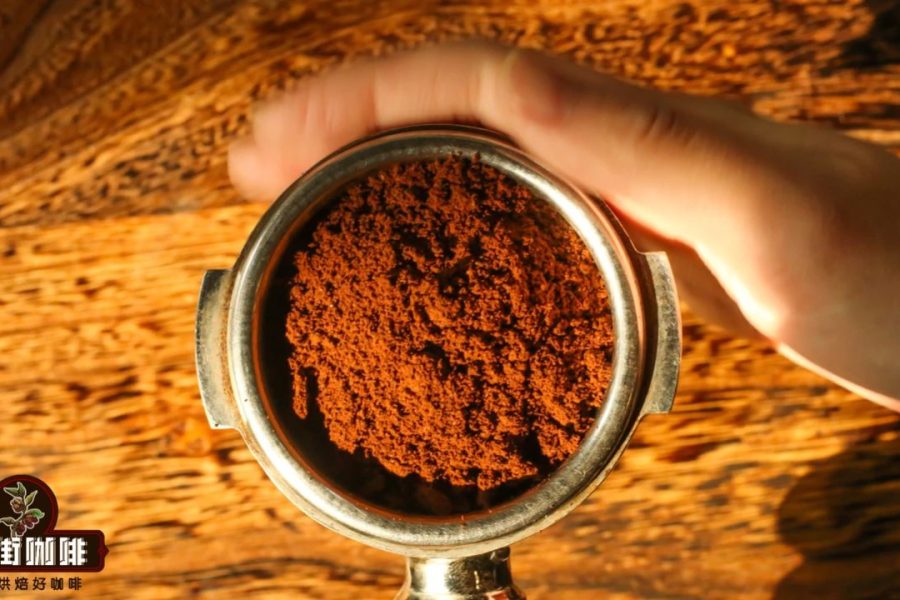
When you order a latte or cappuccino at a café, the soul behind it often comes from a carefully crafted espresso blend. This recipe, made by combining two or more single-origin coffee beans, is designed specifically for the high-temperature, high-pressure extraction environment of espresso, and is fundamentally different from the single-origin beans used for pour-over coffee, which pursue bright acidity and clear layers. Espresso is typically extracted at a high temperature above 92°C, 9-10 atmospheres of pressure, and a very fine grind; choosing light-roasted beans can easily lead to sharp acidity and thinness, so medium-dark to dark roasted blends better ensure a stable and full-bodied flavor performance.
The choice of espresso blend directly affects the base flavor of coffee drinks. From rich, full-bodied milk coffee to clean, balanced Americano, different roast levels and origin combinations can present diverse tastes. According to market feedback, the following five classic espresso blends perform outstandingly in home settings, covering taste needs from beginners to advanced enthusiasts.
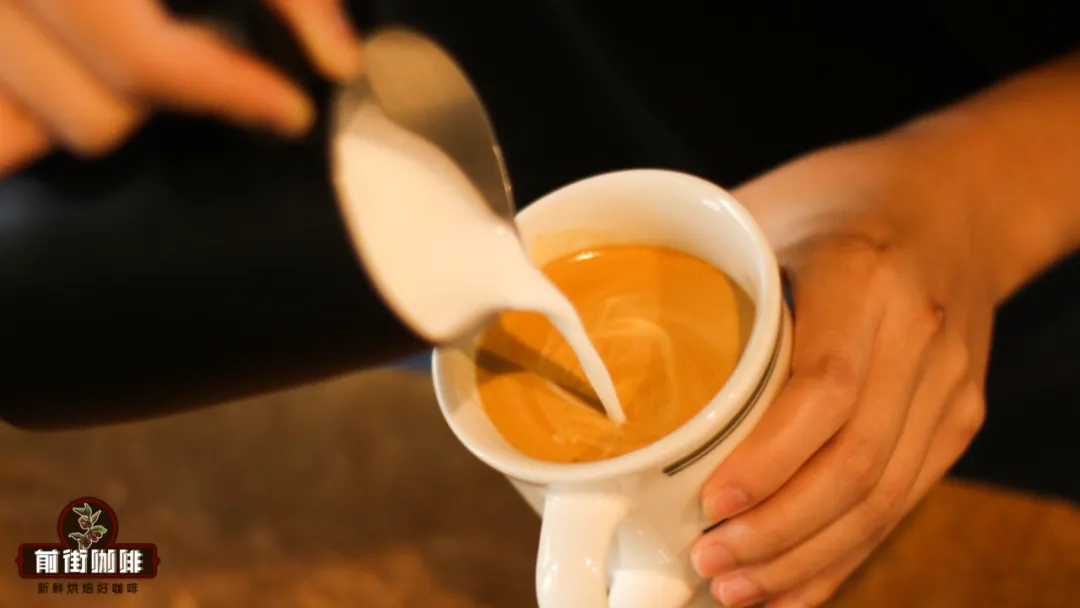
 Rich and full-bodied type: A classic combination of Indonesian Mandheling and Brazilian beans, with some recipes adding a small amount of Robusta to enhance the crema. The roast level of these blends is concentrated in the medium-dark to dark range, presenting a heavy body and caramelized finish after extraction, particularly suitable for making lattes and other coffee drinks that require dense milk foam, significantly improving latte art stability and mouthfeel integration.
 Floral and fruity type: A blend centered on medium roast, often using honey-processed or natural-processed beans. By combining beans from origins such as Ethiopia and Colombia, it can retain distinct red fruit acidity and caramel sweetness during extraction, forming a complex flavor reminiscent of berry gummy candy. For these beans, it is recommended to use a double shot to make Americano, or pair with a small amount of milk to balance the acidity.
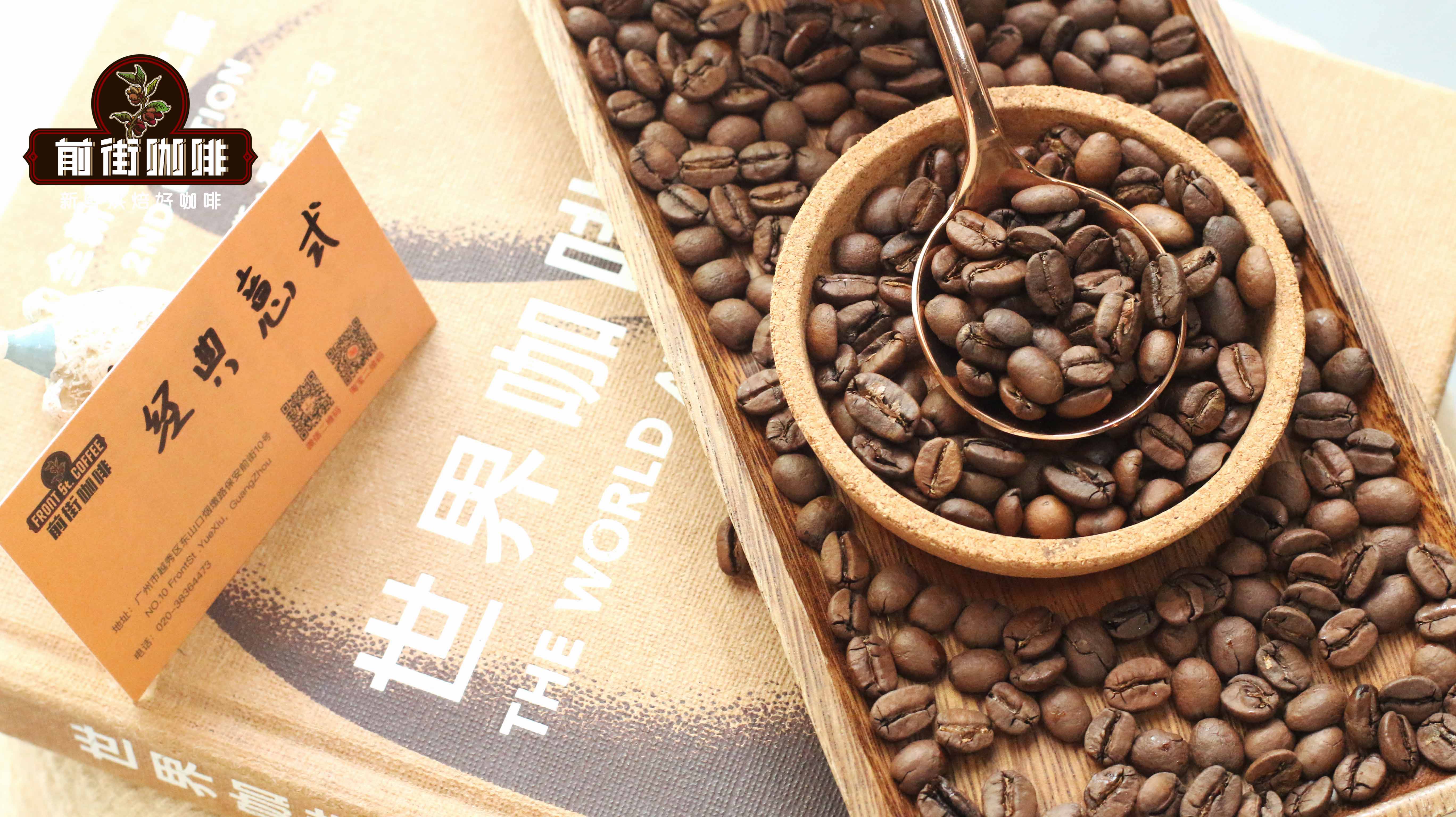
 Nutty chocolate type: A golden combination of Brazil and Colombia, highlighting nutty roasted aroma and a dark chocolate base. The medium-dark roasting process gives the beans layers of roasted almond, cocoa powder, and caramel, with a silky crema texture, particularly suited to consumers who prefer low acidity. When making Americano, it is recommended to extend the blooming time to fully release the nutty notes.
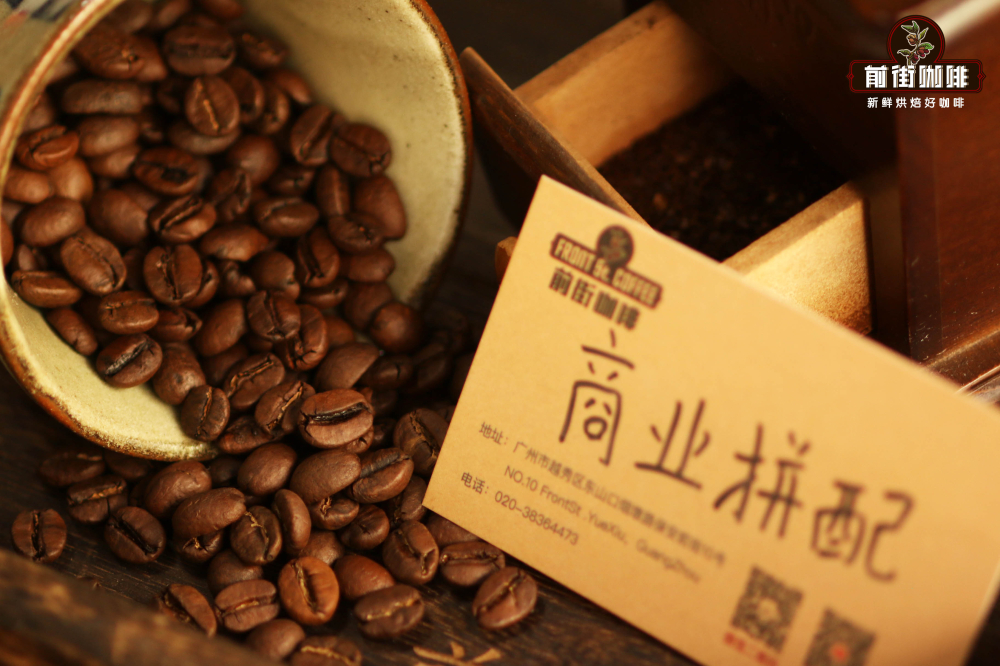 Commercial all-purpose type: A multi-origin blend (commonly Brazilian, Colombian, and Southeast Asian beans), dark roasting strengthens the caramelization reaction, forming the signature roasted grain aroma and full-bodied taste. The crema volume of these blends is moderate, able to support the milk foam structure of a latte while also producing a smooth black coffee, with an obvious cost-performance advantage.
 High-value entry-level type: A comprehensive recipe designed for beginners, balancing fruit acidity, caramel sweetness, and dark chocolate flavor. The medium roast ensures extraction tolerance, maintaining stable performance even if grind parameters or water temperature deviate slightly. The beans have moderate density, suitable for various home espresso machines and moka pots, and the unit price is usually lower than professional-grade blends.
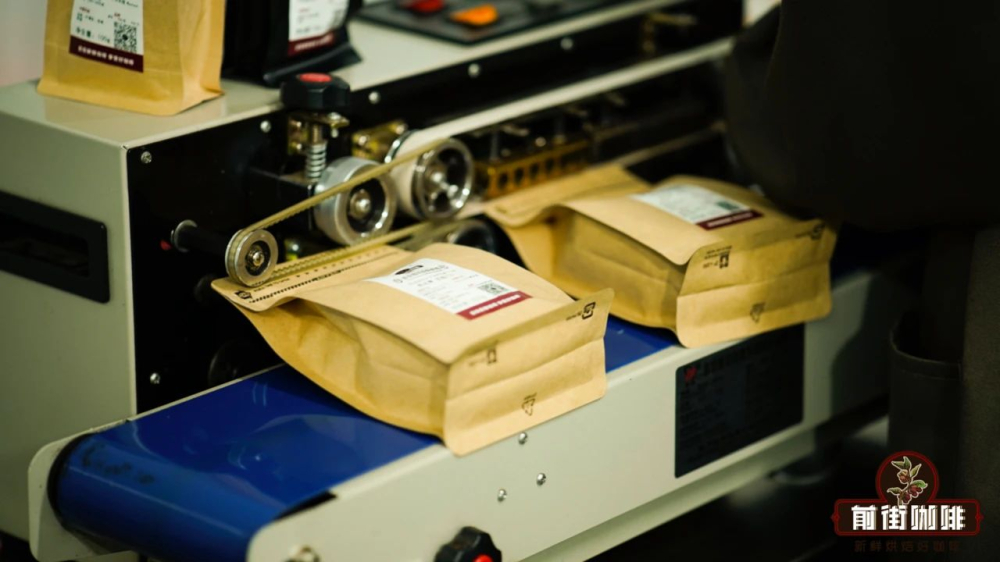 Regardless of which blend you choose, freshness is always the core element of flavor assurance. Coffee beans are in their best degassing stage within 5 days after roasting; at this time, the higher carbon dioxide content may affect extraction uniformity, so it is recommended to store them for 3-5 days before use. Within 40-50 days after complete roasting, the beans gradually release aromatic substances, and after more than two months, woody and astringent notes are likely to appear. It is recommended to purchase according to daily consumption, store in an airtight container after opening, and keep away from light and moisture; if possible, use a container with a one-way exhaust valve to slow flavor decline.