Is Low Crema in Espresso Normal? Choose the Right Beans and Parameters to Boost Crema
Introduction: Have you ever wondered why some espressos have a beautiful golden layer of crema on the surface while others have almost none? This layer of oil, known as crema, is not just a visual pleasure—it also affects the aroma and mouthfeel of the coffee. This article takes a deep look at how crema forms and teaches you how to achieve a richer, more stable layer by choosing the right coffee beans and mastering extraction parameters, improving the quality of every cup of espresso.
Many people know that peanut oil is extracted from peanuts, and that the surface of dark-roasted coffee beans also exudes oil. So what exactly is that golden layer extracted by an espresso machine? In Italy, this layer of oil is called "crema," and it is one of the most iconic features of espresso. Its formation depends on the high-pressure extraction unique to espresso machines.
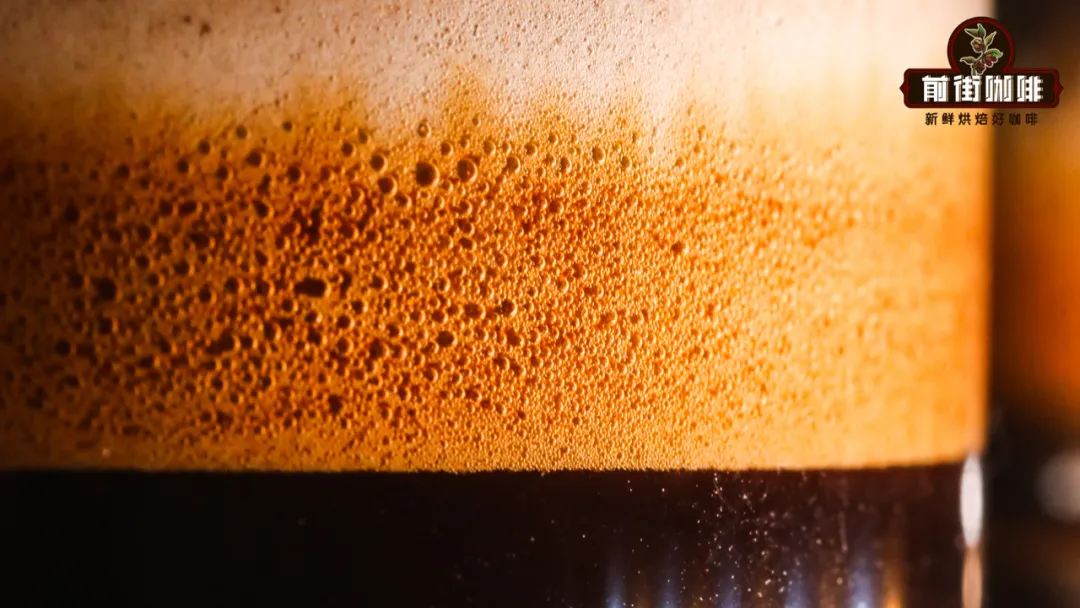
When an espresso machine operates, it generates roughly 9 bar of water pressure, which forcefully pushes hot water through a tightly compacted puck of coffee grounds. Under such high pressure, the carbon dioxide in the coffee grounds cannot be released naturally; instead, it dissolves into the water, creating a supersaturated state. At the same time, the oils in the coffee are emulsified under the combined action of high pressure and hot water. These tiny oil particles surround the carbon dioxide bubbles, and because oil is lighter than water, they eventually float to the surface, forming a fine, golden, glossy layer of oil—this is what we call crema.
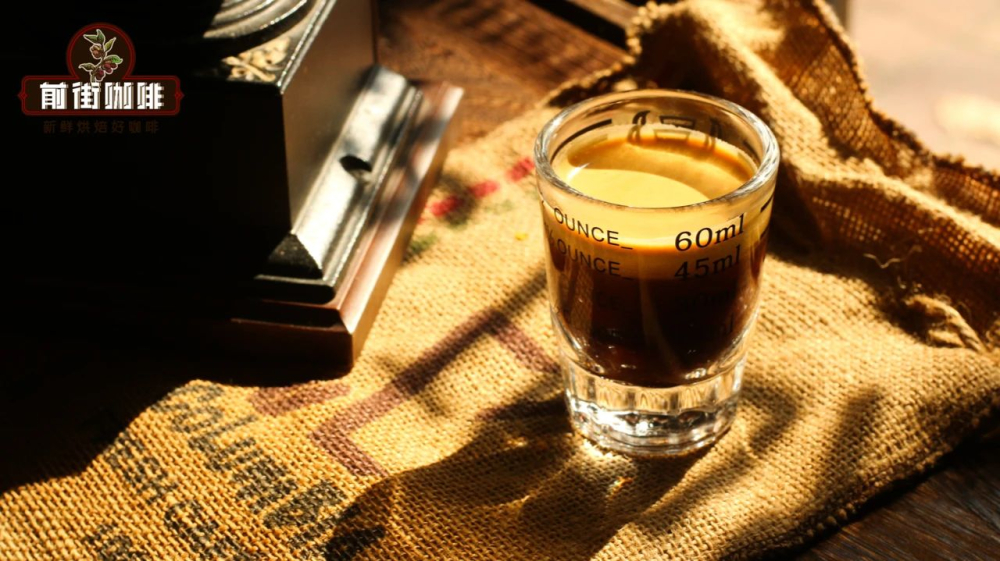
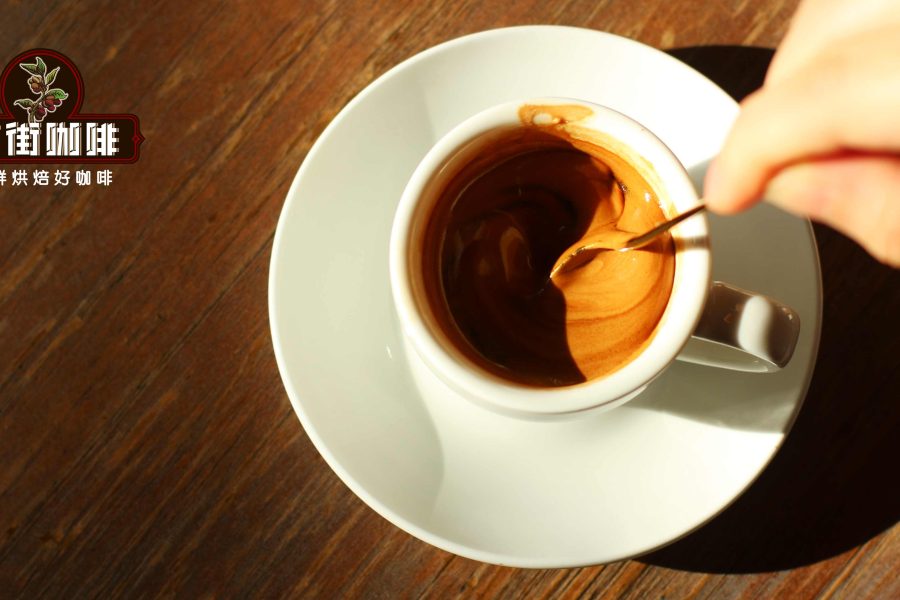
High-quality crema typically appears bright golden yellow with a fine, even texture. When gently swirled with a spoon, it has a silky, creamy feel and a certain stickiness, leaving a clear mark on the wall of the cup. It not only enhances the visual appeal of espresso but also enriches the coffee's aroma layers and improves mouthfeel. It also helps the milk foam merge with the coffee and improves latte art performance when making milk-based coffee drinks.
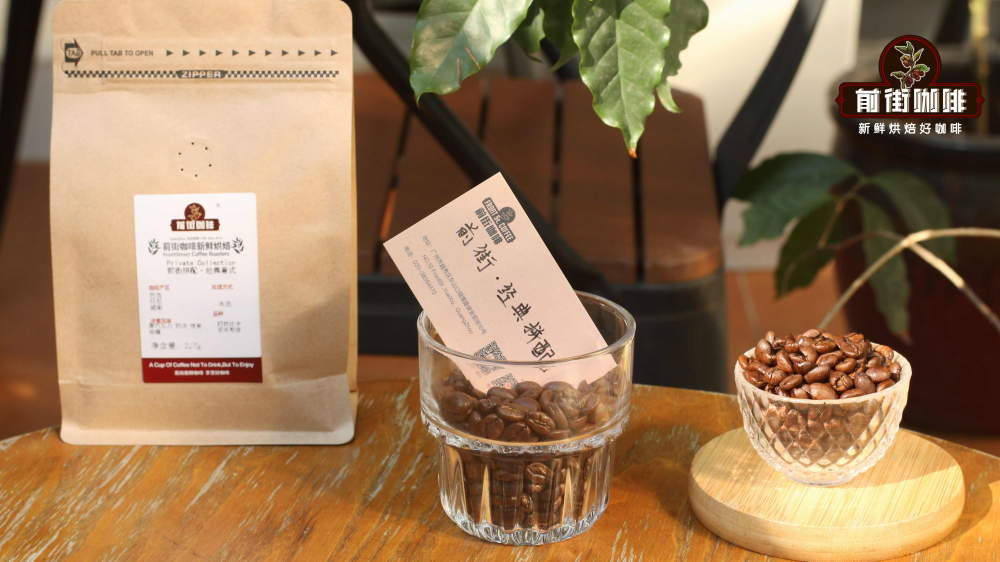
So how can you extract this ideal crema? First, the choice of coffee beans is crucial. Medium-dark to dark roast espresso blends are recommended; these beans usually contain richer oils and more carbon dioxide, which can form a fuller crema during extraction. At the same time, the freshness of the coffee beans is also very important—it is best to use them within 1 to 45 days after roasting to retain enough carbon dioxide content.
 In practice, if you want richer crema, you can choose carefully blended commercial beans. These beans are usually a mix of coffee beans from multiple origins, for example containing South American arabica beans along with a certain proportion of robusta beans. Robusta beans naturally contain more oils and caffeine, which helps increase the thickness and stability of crema.
Beyond the beans themselves, extraction parameters and machine condition are equally important. To extract ideal crema, you need to ensure the espresso machine can steadily provide around 9 bar of pressure, keep the water temperature between 90°C and 96°C, and use a moderately fine grind to increase the resistance of water flowing through the coffee puck, thereby raising extraction pressure. In addition, the coffee grounds should be tamped evenly and with moderate force—a force of about 30 pounds (roughly 13-15 kg) is usually recommended for tamping.
If your espresso has no crema at all, or the crema layer is very thin, possible causes include: coffee beans stored for too long, causing carbon dioxide loss; insufficient machine pressure, preventing effective extraction; water temperature too low, affecting oil emulsification; grind too coarse, leading to incomplete extraction; or insufficient tamping force, leaving the puck not dense enough.

In addition, you may sometimes encounter crema that is whitish and lacks golden yellow. This is usually because lighter-roasted coffee beans were used, such as some pour-over beans known for fruity acidity. These beans are prone to under-extraction in espresso, resulting in prominent acidity and a duller crema color. If the crema looks rough, full of bubbles, and dissipates quickly, the coffee beans may be too fresh, with the internal carbon dioxide not yet stable, leading to insufficient emulsification.
There is also a situation where the crema clumps, is uneven, and has an uneven surface, similar to over-whipped milk foam. This kind of crema not only looks poor but also affects mouthfeel. It is usually related to an improper coffee-to-water ratio, uneven tamping, or coffee grounds that are too fine.
In summary, to achieve a rich, stable crema, every step matters—from the freshness, roast level, and blend ratio of the coffee beans to the pressure, temperature, grind size, and tamping technique during extraction. Dark-roasted, fresh coffee beans with sufficient oils and carbon dioxide, combined with stable 9 bar pressure and suitable extraction parameters, are the key to crafting an espresso with beautiful crema.