Beginner's Guide to Buying Coffee Beans: Pour-Over and Espresso Selection
Introduction: From offline stores to online channels, how can you find coffee beans with high freshness and good value? This article explains the core points of coffee bean selection, including tips for judging freshness and the flavor differences of mainstream roast levels, and recommends 7 classic beans from different regions and processing methods, covering pour-over and espresso scenarios, to help you easily avoid the pitfalls beginners often fall into.
After drinking freshly ground coffee for a while, many coffee lovers always want to try brewing at home themselves. But the first problem often follows: where exactly should you buy coffee beans? Offline cafes, supermarket shelves, or online e-commerce platforms? In fact, choosing the right purchasing channel is only the first step; more important is learning to judge bean quality, especially freshness—this directly affects the final flavor performance of the brew.

Common channels for buying coffee beans fall into two categories: offline and online. The advantage of offline stores is that you can visually check the packaging information and talk with staff about the roast date; online, you need to focus on whether the seller clearly marks the roasting time. It is usually recommended to choose products marked "shipped within 5 days after roasting" to ensure the beans are still at their flavor peak when they arrive. For beginners just starting out, besides channel selection, it is more important to master practical methods for judging coffee bean freshness.

The most direct basis for judging whether coffee beans are fresh is the roast date. Generally speaking, beans within 30 days after roasting are at their best flavor period; beyond this time, aromatic substances gradually dissipate and the taste becomes flat. Besides checking the date, you can also use three intuitive details to help judge: first, oil presence—light to medium roast beans usually have a matte surface with almost no oily sheen; dark roast beans, due to oil release, have fine small oily spots on the surface, and the darker the roast, the more obvious the oil. Second, aroma performance—fresh beans release rich nutty, fruity, or caramel aromas when the bag is opened; if you smell a pungent rancid oil odor, or the aroma is weak or absent, they are likely no longer fresh. Third, foam reaction after grinding—when freshly ground coffee powder is poured into hot water, a dense foam layer (similar to crema) quickly forms on the surface, which is a sign of carbon dioxide release from inside the beans; if the foam is sparse or almost nonexistent, it indicates that the gas has largely escaped and freshness is poor.

With these tips mastered, let's look at several classic coffee beans of different styles suitable for various brewing methods. First is yellow bourbon medium-dark roast beans (corresponding to the original Brazil Queen's Manor style), using the yellow bourbon variety unique to high-altitude regions. These beans are dense and high in sugar content; medium-dark roasting balances the classic full-bodied base of Brazilian beans with the natural sweetness of the bourbon variety, with coordinated acidity and bitterness, suitable for pour-over or French press. After roasting, the surface is uniformly dark brown with no obvious oil sheen, and the aroma is mainly caramel and roasted nuts.

Those who like chocolate flavors can look at washed processed medium-dark roast beans (corresponding to the original Colombia Huila style). These beans use the common washed process of the Americas, removing the pectin layer and retaining a clean, pure flavor base. Medium-dark roasting highlights the silky smoothness of creamy chocolate, with a finish of roasted nuts and caramel, and soft acidity, suitable for Americano or with milk. Pay attention to the packaging information; the altitude is usually marked at around 1,800 meters, and high-altitude cultivation gives the beans brighter acidity and richer layers.

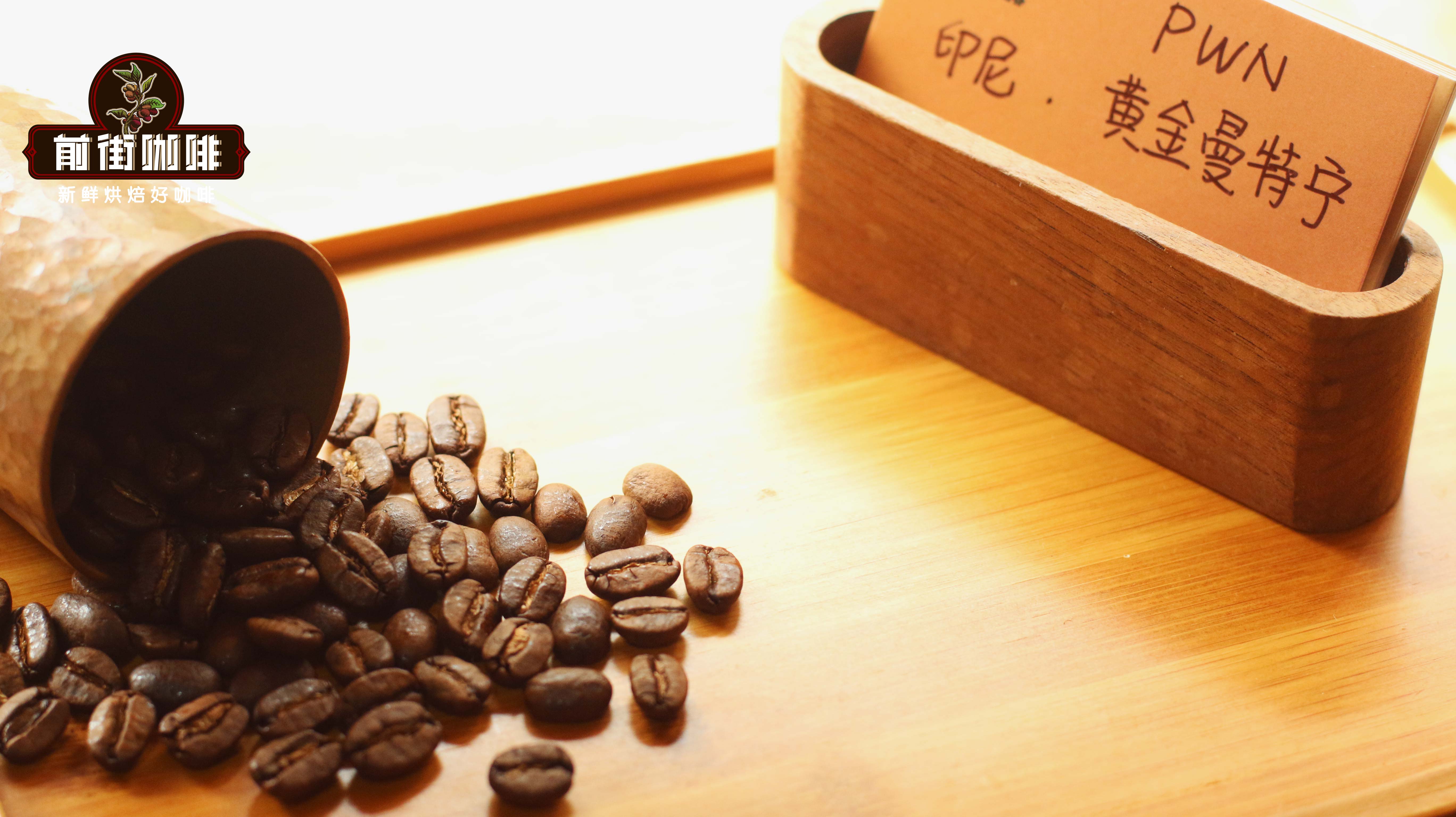
Coffee lovers seeking a full-bodied taste can try dark roasted Indonesian beans (corresponding to the original Golden Mandheling style). These beans mostly use the wet-hulled process and inherently have herbal and spice base flavors; dark roasting further strengthens the full-bodied feel of nuts and caramel while making the texture smoother. High-quality products are screened multiple times to remove defective beans, are clean on the palate with no off-flavors, and have obvious sweet aftertaste. Looking at their appearance, the bean shape is somewhat flat and round, the color is dark brown to black, and there may be a small amount of oil on the surface.

If you prefer a fresh and elegant style, medium-light roasted Typica variety beans (corresponding to the original Papua New Guinea Bird of Paradise style) are worth trying. Typica is an ancient coffee variety with bronze-colored top leaves, large and elongated beans, and flavor characteristics of high cleanliness, soft acidity, and faint floral and citrus notes. Medium-light roasting retains more fruit and floral details, suitable for pour-over enthusiasts who like a light taste. Check the altitude information; usually in high-altitude growing areas of 1,600–1,800 meters, the beans are denser and the flavor more concentrated.

For espresso users, semi-washed Brazilian beans (corresponding to the original Brazil Red Bourbon style) are a common blending base bean. Brazilian beans themselves have low acidity and prominent nut and chocolate flavors; the semi-washed process balances dried and fermented flavors, with moderate body, and can be combined with many beans for a balanced blend. Looking at the roast level, it is usually medium-dark, with a uniform surface color and aromas mainly of caramel and peanut.
If you like espresso beans with obvious sweetness, try honey process + mixed blend beans (corresponding to the original Strawberry Candy espresso style). These beans usually combine honey-processed (retaining pectin) Costa Rican beans, Colombian beans, and Ethiopian Yirgacheffe; the fermentation process brings rose, grape, and dried blueberry fruit aromas, while a moderate amount of dark roasted beans adds body, resulting in rich crema and prominent sweetness, suitable for making espresso with obvious strawberry flavor.

Finally, classic three-origin blend dark roast beans (corresponding to the original Classic Blend espresso style), composed of Brazilian, Indonesian, and Vietnamese beans. Brazilian beans provide a full-bodied base, Indonesian beans add herbal and earthy complexity, and Vietnamese beans (possibly with a higher proportion of robusta) strengthen the oil and bitterness support. Dark roasting makes the overall flavor richer and easily extracts a dense crema; whether making Americano or latte, it is very suitable—Americano is rich and sweet in aftertaste, while latte is smooth and velvety.

In summary, when buying coffee beans, prioritize products with clearly marked roast dates (within 30 days recommended), and judge freshness through the three details of oil, aroma, and foam; choose the appropriate roast level and origin according to your brewing method (pour-over/espresso) and flavor preference (fresh/full-bodied/sweet). With these tips, beginners can easily pick good beans that suit them.