Ethiopian Sidamo Guji Coffee Beans: Choosing Light, Medium or Dark Roast
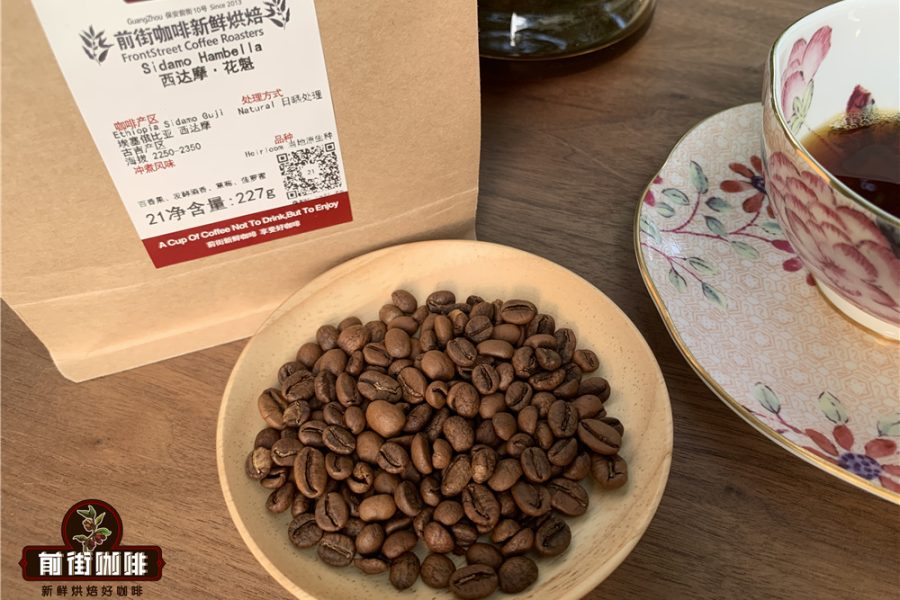
Introduction: Guji coffee beans from the Sidamo region are known for their distinctive berry notes and rich body, but many enthusiasts struggle with choosing a roast level. This article takes a deep look at the origin and terroir of Guji beans and the characteristics of their natural processing, compares the effects of light, medium, and dark roasts on flavor, and offers professional-level brewing advice and resting-period references to help you find the drinking method that suits you best.

When Ethiopian Sidamo is mentioned, coffee lovers always think of richly layered floral and fruity aromas. This highland area next to the East African Rift Valley, with its altitude advantage of 1,550–2,200 meters, nurtures specialty coffee beans with full fruit aromas and an elegant fragrance. Among them, the most representative Guji variety is often described as naturally carrying berry-cream flavors, and its expressive flavor is inseparable from the growing environment.

The Sidamo region lies around Lake Awasa, where fertile soil and abundant rainfall provide ideal conditions for coffee trees. The high-altitude environment lengthens the ripening cycle of the coffee fruit, encouraging sugar and aromatic compounds to accumulate fully and ultimately forming a distinctive full body. Compared with low-altitude regions, coffee here usually takes longer to harvest, but its flavor complexity is markedly higher.
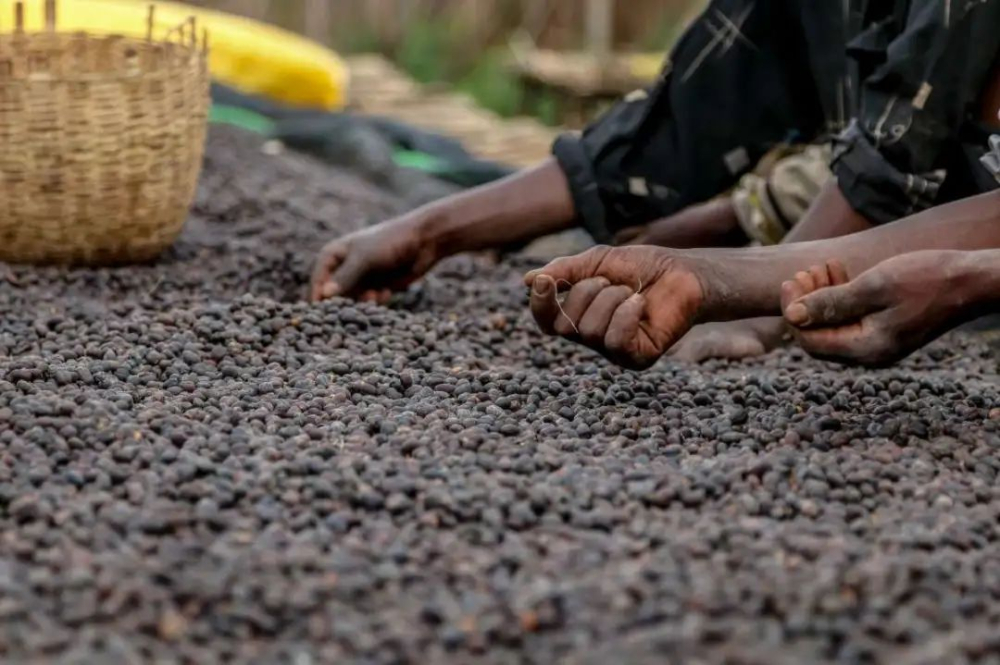
Guji coffee beans use the traditional natural process, in which whole coffee cherries are placed on raised beds to dry for 21 days. During this process, the natural sugars in the pulp and mucilage slowly penetrate into the green beans, giving the coffee more prominent sweetness and a rich mouthfeel. Professional processing requires turning the beans daily and monitoring humidity to avoid mold or contamination by earthy off-flavors, ultimately forming the signature berry notes.
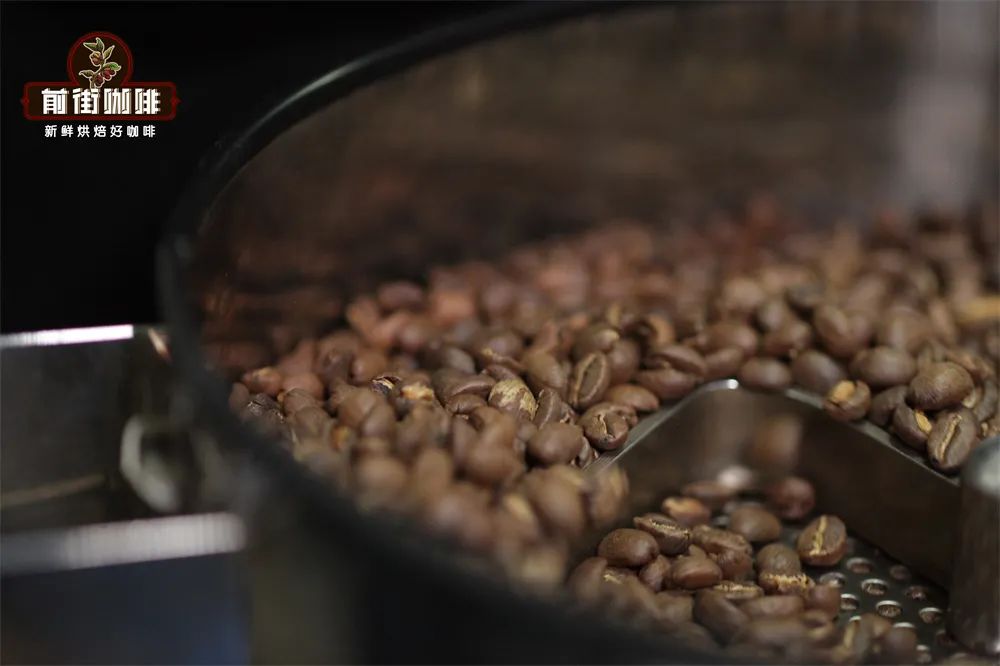
The choice of roast level directly affects how Guji beans express their flavor. Coffee-growing regions worldwide can be broadly divided into three categories: Asian beans (rich, herbal notes, suited to medium-dark roasts), American beans (balanced nut and chocolate notes, best with medium-dark roasts), and African beans (bright floral and fruity aromas, recommended for medium-light roasts). As a typical African bean, Guji's fresh acidity and light body need light-to-medium roasting to stand out; dark roasting easily lets bitterness mask the original berry and black tea flavors.

For different brewing scenarios, it is advisable to distinguish roast plans: pour-over/drip bags/cold brew suit light-to-medium roasted beans, which can show tropical fruit aromas such as citrus and guava, with a honey-like sweetness in the finish; espresso or moka pot can use a slightly darker-roasted SOE version, which presents a silky mouthfeel and delicate berry notes when making a latte, suitable for consumers who do not prefer strong bitterness. Note that light-roasted beans need slightly higher water temperatures (92–94°C) to bring out the aroma, while dark-roasted beans are best brewed at a reduced 88–90°C to avoid over-extraction.

Freshness is the key guarantee of flavor. Professional roasters place coffee beans in a constant-temperature environment and ensure shipping within 5 days to preserve their best condition. After receiving them, it is recommended to let them rest for 4–7 days to complete the resting period, during which the beans release gas and reach a stable state. For storage, use an airtight canister with a one-way degassing valve, keep it away from light at 10–20°C, and avoid storing it together with strongly scented items such as spices. Grind size should be adjusted according to the equipment: for pour-over, a medium-fine grind is recommended (70–75% passing through a Chinese standard No. 20 sieve); for espresso machines, a fine grind is needed (close to flour-like but still with a gritty texture).


