Sumatra Mandheling coffee: flavor, varieties and a growing guide
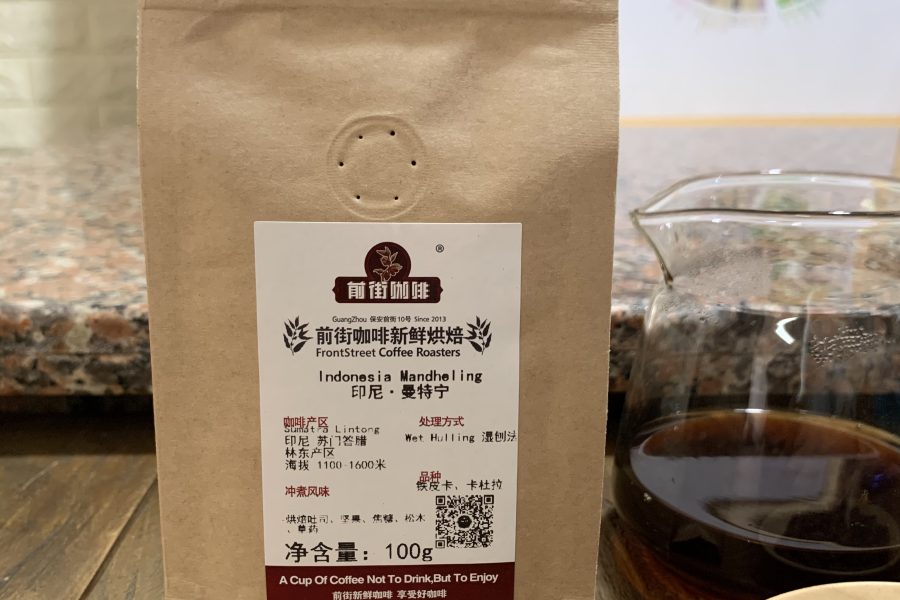
Introduction: Did you know that Mandheling is not a coffee variety, but a well-known producing region in Sumatra, Indonesia? This article takes you deeper into the history behind Mandheling coffee, its cultivation background, and why it has distinctive herbal and earthy aromas. From the Typica variety of the Dutch colonial era to the variety changes after leaf rust, we will uncover step by step how this classic coffee became a favorite of coffee lovers worldwide.
Driven by the third wave of coffee, consumers are paying more and more attention to the origin, variety, and processing of coffee beans. Whether it is the Geisha variety that has swept the globe, or Ethiopia's Yirgacheffe, known for its origin, everyone wants to understand the story behind each cup of coffee. The term "Mamba coffee," often heard in the past, refers to a blend of Mandheling and Brazilian coffee beans, but today we know that Brazil contains multiple producing regions and estates growing different varieties. So, is the equally popular Mandheling a single variety like Geisha, or does it represent a specific producing region like Yirgacheffe?
To answer this question, we need to start with the origins of Indonesian coffee. Indonesia's coffee-growing history dates back to 1696, when the Dutch East India Company first introduced the Typica variety of Arabica to the island of Java. Thanks to the region's exceptional climate conditions, coffee cultivation quickly spread to the neighboring islands of Sumatra and Sulawesi. However, by 1908, a severe outbreak of leaf rust swept through Indonesia's coffee plantations, forcing most farms to abandon the leaf-rust-susceptible Typica and switch to the more robust, disease-resistant Robusta variety.
Today, Indonesia is the world's third-largest coffee producer, but more than 90% of its coffee exports are relatively low-priced Robusta. Nevertheless, in the high-altitude areas of northern Sumatra and Java, some high-quality Arabica coffee is still carefully cultivated and tended. During World War II, Japanese troops tasted high-quality coffee with a distinctive flavor in Sumatra, and this coffee came from the Mandheling ethnic minority living on the highlands of the region. After the war, this coffee was introduced to Japan, and because of its outstanding taste and distinct regional character, "Mandheling" gradually became synonymous with Sumatran coffee rather than referring to a single coffee variety.


