Indonesia Mandheling Green Coffee G1-G6 Grading: Washed vs Natural and Buying Guide
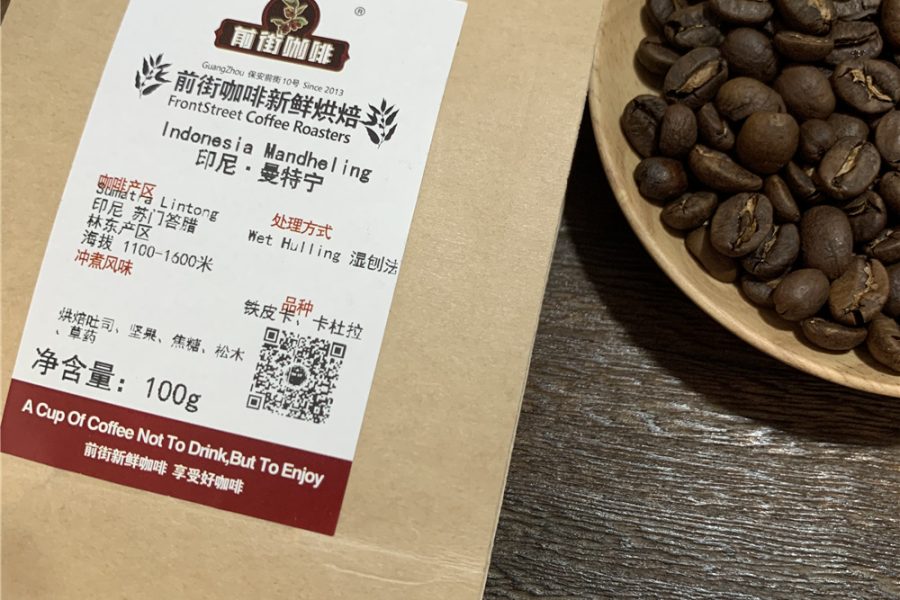
Introduction: Indonesian Mandheling coffee is known for its uniquely rich and full-bodied flavor, and its grading system directly affects quality and price. This article provides an in-depth analysis of Indonesia's official G1 to G6 grading standards, reveals the grade differences between washed and natural processing methods, and explains the truth behind common non-official names in the market such as peaberry and AAA. Mastering this knowledge will help you make more professional judgments when purchasing green coffee.
As an important coffee-producing region in the world, Indonesia's Mandheling series coffee beans are known for their low acidity, full body, and woody spice notes. The country's green coffee grading system, established in 1983 and revised in 1990, remains an important industry reference standard today—this system applies uniformly to green coffee processed by the wet process (WP) and dry process (DP), grading by the number of defective beans in each 300-gram sample rather than solely by bean size.
The current grading system has 6 main grades and 2 sub-grades. For inspection, a 300-gram sample is randomly taken and all defective beans that do not meet the standard are counted: Grade G1 has the strictest requirements, allowing no more than 11 defective beans; Grade G2 is relaxed to 12-25 beans; Grade G3 is 26-44 beans. These three grades are generally considered the common range for high-quality commercial coffee or entry-level specialty coffee.
When the number of defective beans rises to Grade G4a (45-60 beans) and Grade G4b (61-80 beans), the uniformity and purity of the green coffee have noticeably declined, placing it in the mid-to-low-end commercial coffee category.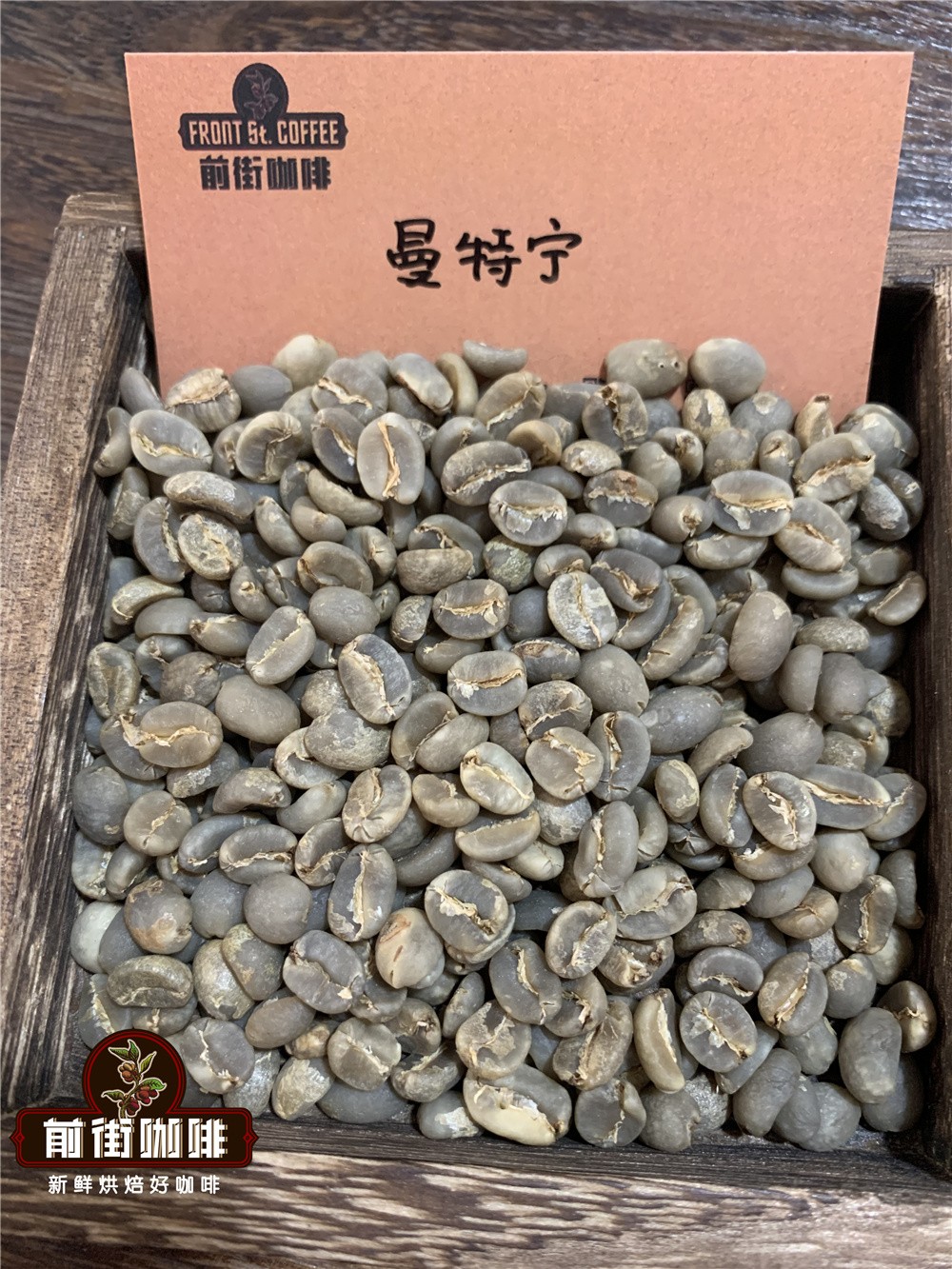 And Grade G5 (81-150 beans) and Grade G6 (151-225 beans) are mostly used for making low-priced instant coffee or as blending ingredients, with more significant flavor defects. It is worth noting that although G4a and G4b both belong to the fourth grade, the latter usually has a lower actual transaction price due to more defects.
In addition to official grading, Indonesian exporters or traders often add non-official commercial names to green coffee, such as the "male bean/female bean," "AAA (3A)," "golden," and "emerald" labels commonly seen in the Taiwan market. Among them, "male bean" is actually peaberry, a rare phenomenon in coffee fruit where two ovules develop into a single round bean, requiring manual screening and costing more; "female bean" refers to the ordinary flat bean. Such names reflect more the processing method or appearance characteristics rather than strictly corresponding to official grades.
Another common commercial term, "AAA (3A)," is not an Indonesian national standard but a marketing term introduced by traders to highlight quality, and consumers should view it rationally. In addition, although altitude is not directly reflected in the G1-G6 grading, it is an important indicator for specialty coffee—coffee trees grown at high altitudes grow slowly, the fruit has higher density, and they often develop more complex flavor layers. When purchasing, it is recommended to make a comprehensive judgment based on grading standards, processing method type, and origin altitude.


