Coffee flavor description techniques and a beginner's guide to the full stages of cupping
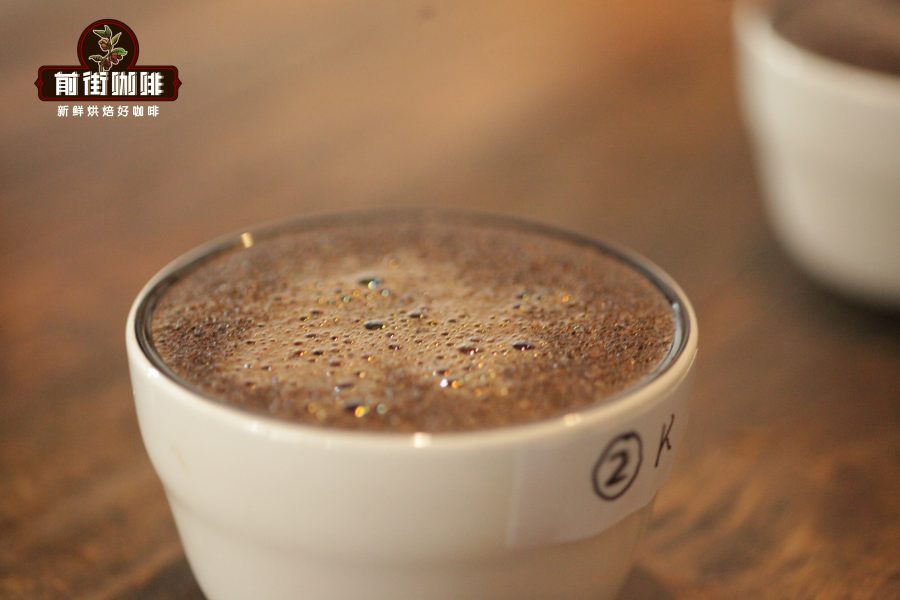
Introduction: Understanding how coffee's aroma changes across different stages and mastering professional flavor description methods are key to improving your coffee tasting ability. This article takes you deep into the complete aroma journey of coffee from grinding to sipping, teaches you to use the coffee flavor wheel to describe flavor characteristics precisely, and helps you build your own coffee flavor memory bank through everyday dietary training to enhance sensory sensitivity.
From grinding to the final sip, a cup of coffee undergoes aroma transformations across multiple stages. To accurately describe these flavor changes, you first need to understand the unique characteristics coffee shows at different stages. Freshly ground coffee emits dry aroma, the original aromatic substances of the coffee beans before heating; after water is poured, wet aroma is released as hot water activates more volatile compounds; finally, in the mouth, sweet, sour, bitter, and salty notes together with body form the complete taste experience. Grasping the characteristics of these stages is the foundation of professional cupping.
The coffee flavor wheel is an industry-recognized flavor description tool that systematically categorizes complex sensory experiences. Beginners are advised to first become familiar with the basic flavor categories, then gradually expand to more detailed subcategories. The Sensory Lexicon published by WCR (World Coffee Research) provides authoritative explanations for each flavor term; by consulting these materials, you can understand the specific meaning behind the vocabulary and avoid vague or incorrect descriptions.
Observing the design features of the new coffee flavor wheel, you can see carefully arranged spacing between flavor categories. These spatial layouts are not random—the smaller the gap between adjacent flavors, the closer their sensory characteristics; the larger the gap, the more obvious the difference. This design detail is very inspiring for coffee beverage creation: using ingredients with adjacent flavors can create a harmonious mouthfeel, while deliberately pairing flavors that are farther apart can add layers of complexity. Specialty coffee often has more distinct characteristic aromas, which provides broader space for flavor pairing experiments.
Improving flavor identification ability cannot rely solely on flavor vial training; everyday eating is the best classroom. It is recommended to start by reducing food seasoning and focus on experiencing the true taste of ingredients: notice the weight of food on the tongue (body), the aroma molecules captured by the nasal cavity, and the texture changes perceived in the mouth. This training can significantly strengthen your sensory memory bank and make flavor descriptions more precise and vivid.
If comprehensive dietary training feels too difficult, you can start with fruits, the food most deeply connected to coffee. Coffee itself is the seed of a fruit, and many classic flavor descriptions come from fruit analogies, such as distinguishing the difference between lime and lemon in citrus notes, or identifying berry characteristics in the top notes. Regularly trying fruit varieties uncommon in supermarkets can both expand your taste vocabulary and accumulate more reference standards for coffee cupping. Change the habit of eating in a hurry and carefully experience the complete sensory experience of every bite; this daily training will qualitatively improve your coffee tasting ability.


