Indonesian Mandheling vs. Ethiopian Hualvqi: Flavor Comparison and Brewing Guide
Introduction: A deep analysis of the flavor differences between two classic coffees—Sumatra Mandheling and Ethiopian Hambela Hualvqi—covering growing environments, processing methods, roasting recommendations, and detailed pour-over parameters. From rich chocolate notes to bright tropical fruit aromas, this guide gives you a full understanding of the core characteristics of these two popular coffees and provides professional-level brewing plans to help you precisely express each bean's unique flavor layers.
The essential flavor differences between Indonesian Mandheling and Ethiopian Hualvqi
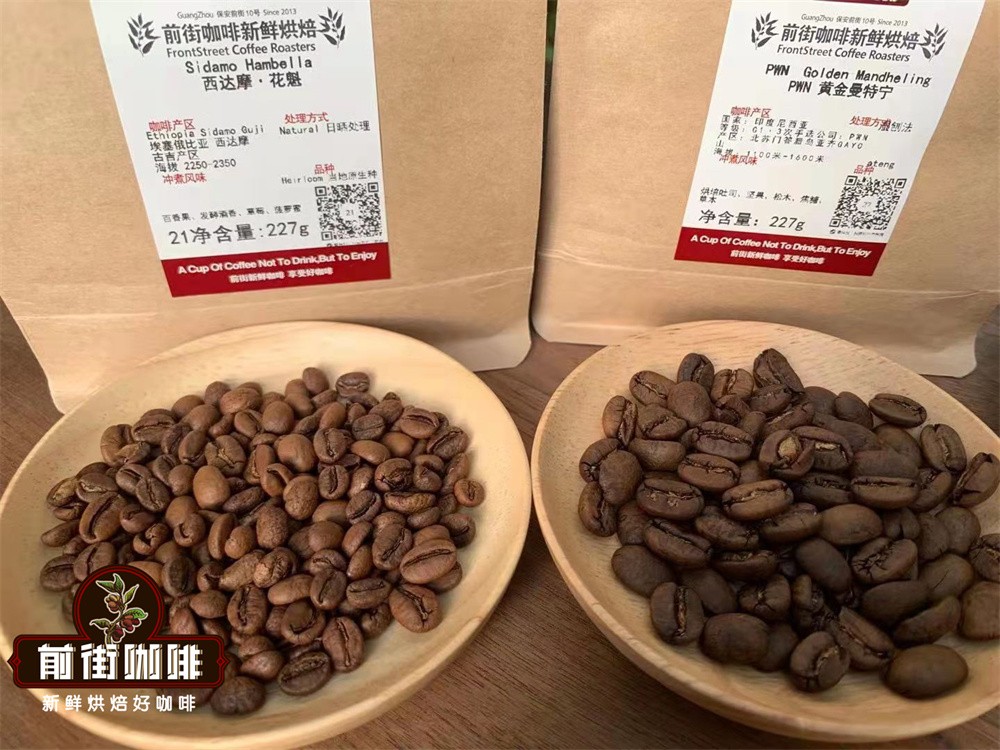
Sumatra Mandheling and Ethiopian Hambela Hualvqi represent two completely different coffee flavor systems. Mandheling is known for its heavy body; its chocolate and syrupy sweetness, low acidity, and thick, syrup-like mouthfeel form the classic "Indonesian-style" coffee experience. Hualvqi, by contrast, inherits the distinct floral and fruity character of Ethiopian coffee: the sweet fragrance of tropical fruits (such as mango and jackfruit) interweaves with elegant floral aromas and honey sweetness, creating a fresh flavor reminiscent of fruit tea, with bright acidity and rich layers.
This difference stems from the two regions' completely different growing environments and processing traditions—Mandheling grows in the high-humidity, low-sunlight Sumatra archipelago and uses the unique wet-hulling method to speed drying; Hualvqi relies on Ethiopia's highland environment at an altitude of about 2,300 meters, preserving fruity aromas through meticulous natural processing.
Sumatra Mandheling: a flavor imprint of geography and history
The legend of Mandheling began with Arabica varieties introduced by Dutch colonists in the 17th century. Although coffee leaf rust in 1877 forced growers to switch to highly disease-resistant Robusta, the Lintong highlands of northern Sumatra still retain precious Arabica-growing areas. Here coffee trees grow on hillsides at 750–1,500 meters; the unique high-humidity climate and volcanic soils give Mandheling its signature low acidity and high body.
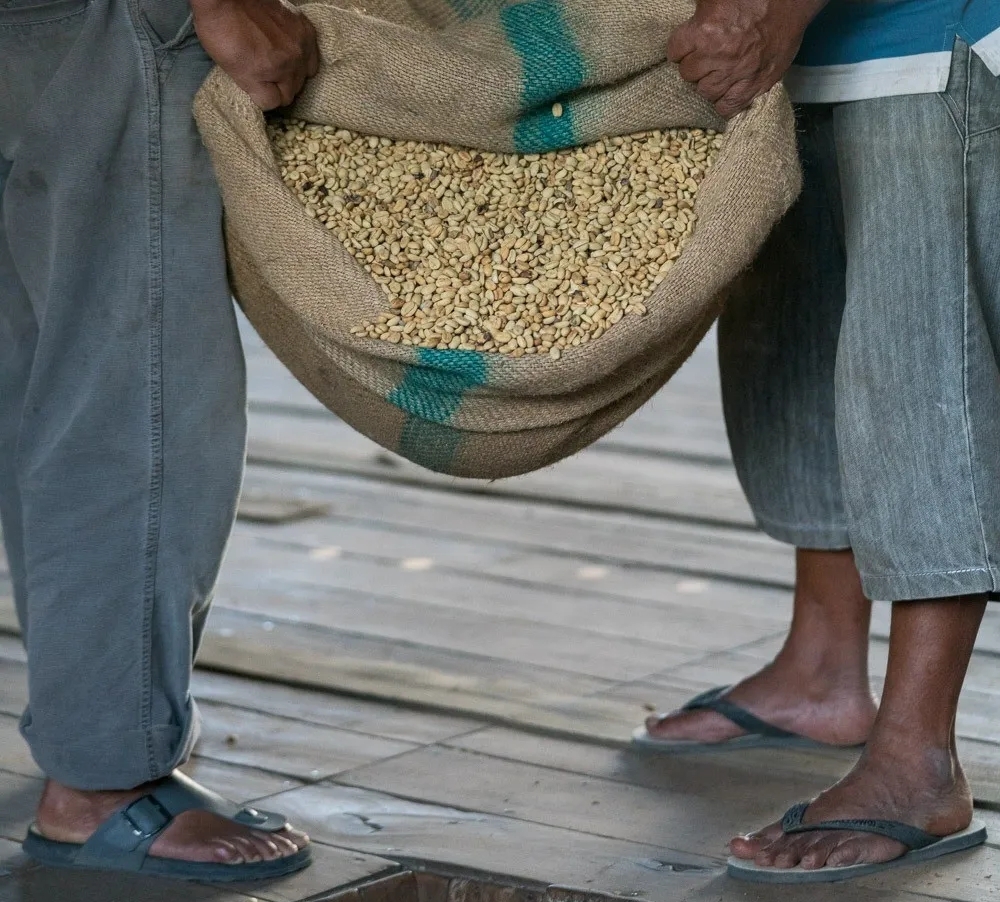
Lintong Mandheling, an entry-level representative product, derives its core flavor from the wet-hulling method (Giling Basah)—after washing off the fruit pulp, the beans are sun-dried with mucilage still attached until the moisture content reaches 30–50%, then hulled and dried further. This process not only shortens drying time (adapting to Sumatra's rainy climate) but also ruptures the parchment layer through friction, accelerating internal transformation and ultimately forming the base flavors of herbs, dark chocolate, and caramel, accompanied by a long-lasting mellow finish.
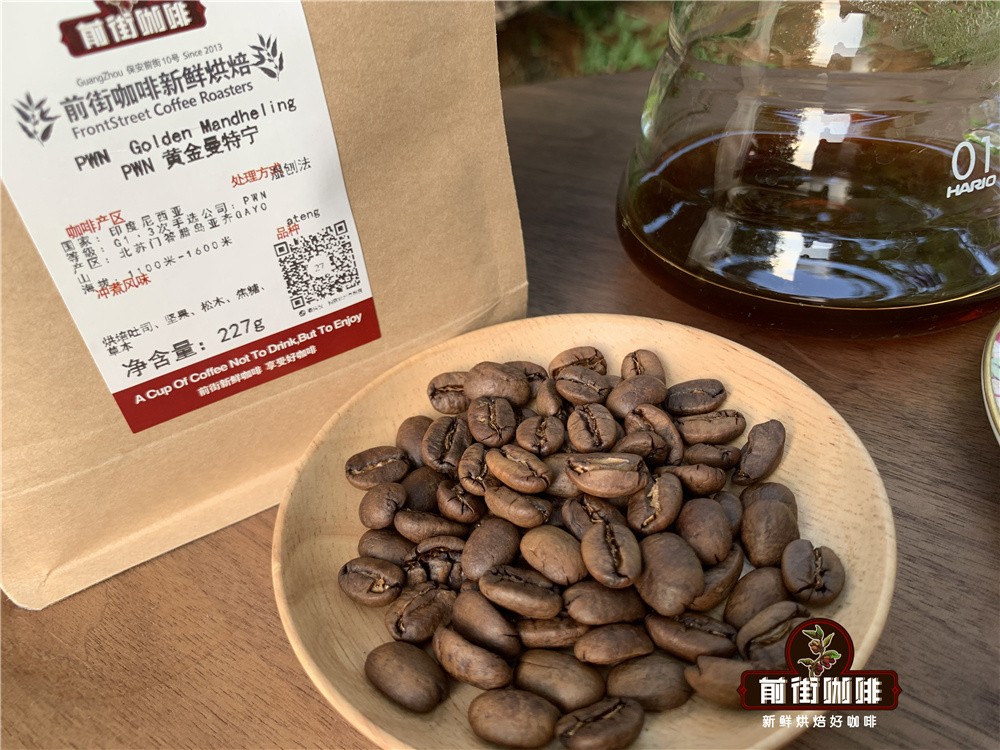
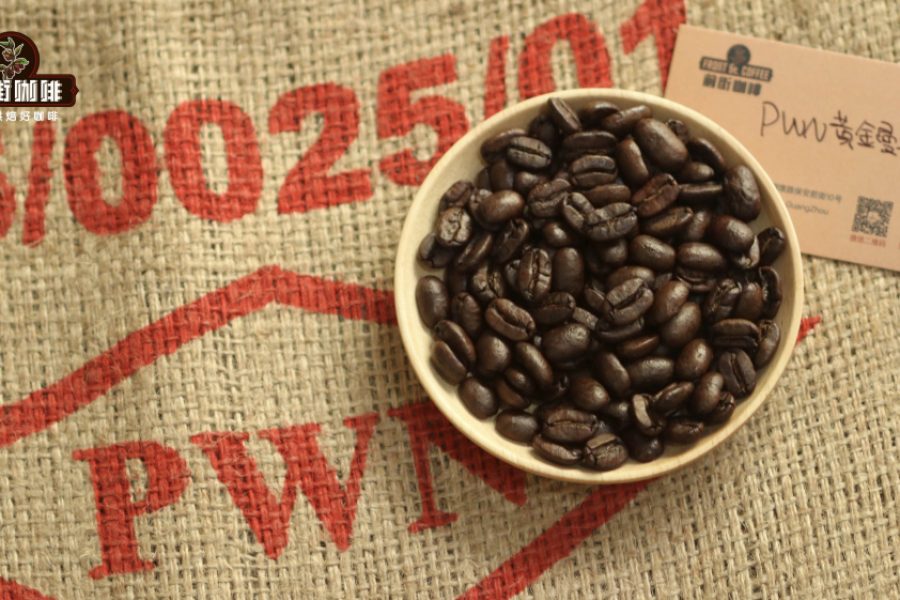
It is worth noting that Mandheling beans are usually large and hard, but defective beans easily occur during cultivation, requiring strict hand sorting.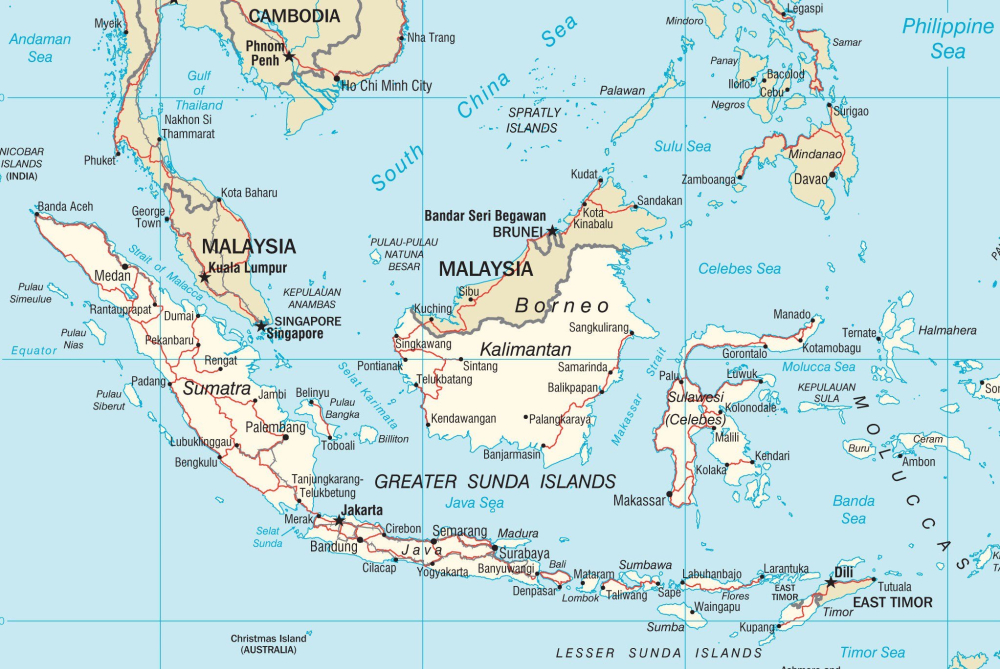 Its roasting performance is also challenging: a medium-dark roast (such as a grind with 75% passing a Chinese No. 20 sieve) can highlight nutty, pine, and herbal notes, while over-roasting may let bitterness mask the original layers.
Ethiopian Hambela Hualvqi: a floral and fruity feast nurtured by highland sunshine
The birthplace of Hualvqi—Hambella, Ethiopia—lies in the heart of the Guji region (formerly part of Sidamo).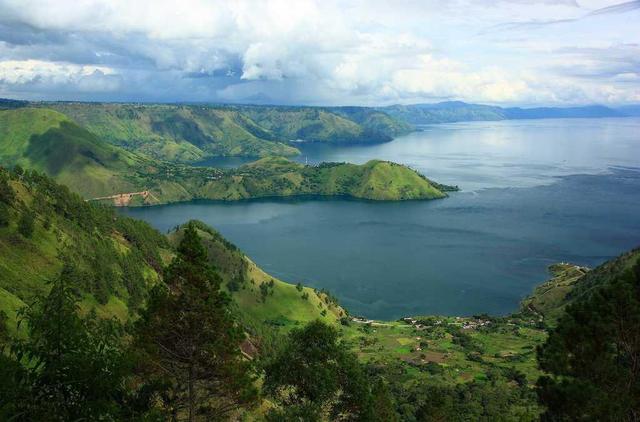 This area sits at an altitude of about 2,300 meters; its organic-rich reddish-brown soil and significant day-night temperature difference prompt coffee cherries to mature slowly, accumulating more sugars and aromatic compounds. True Hualvqi refers only to naturally processed beans from the Buku Abel processing station, which rose to fame after winning the TOH competition in 2017 with its strawberry and cream aroma.
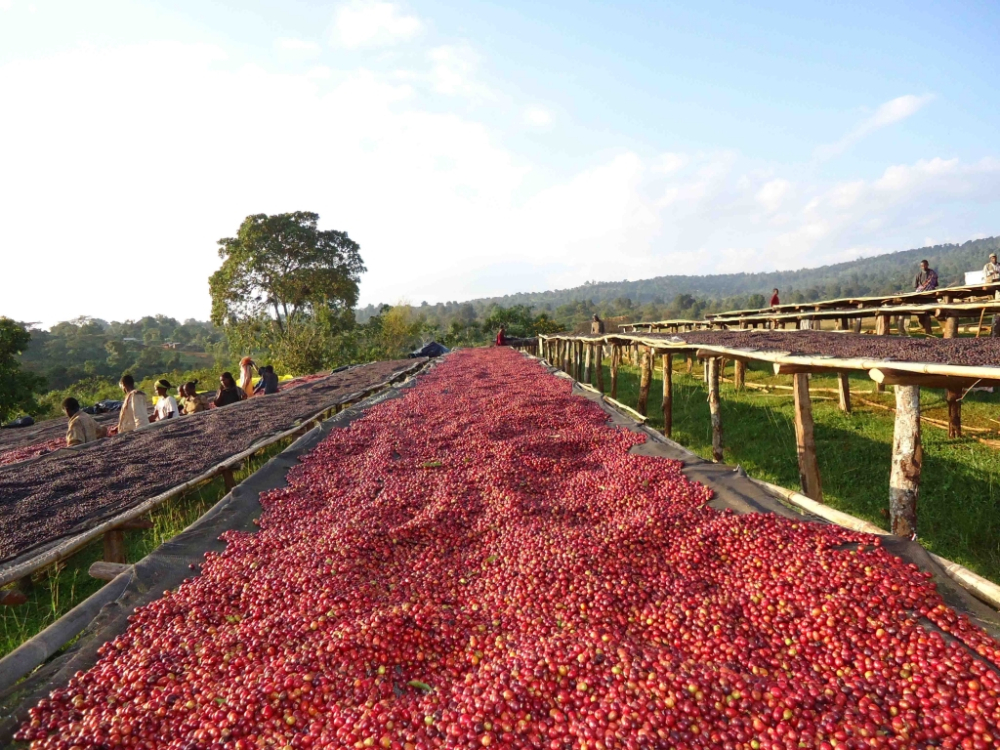
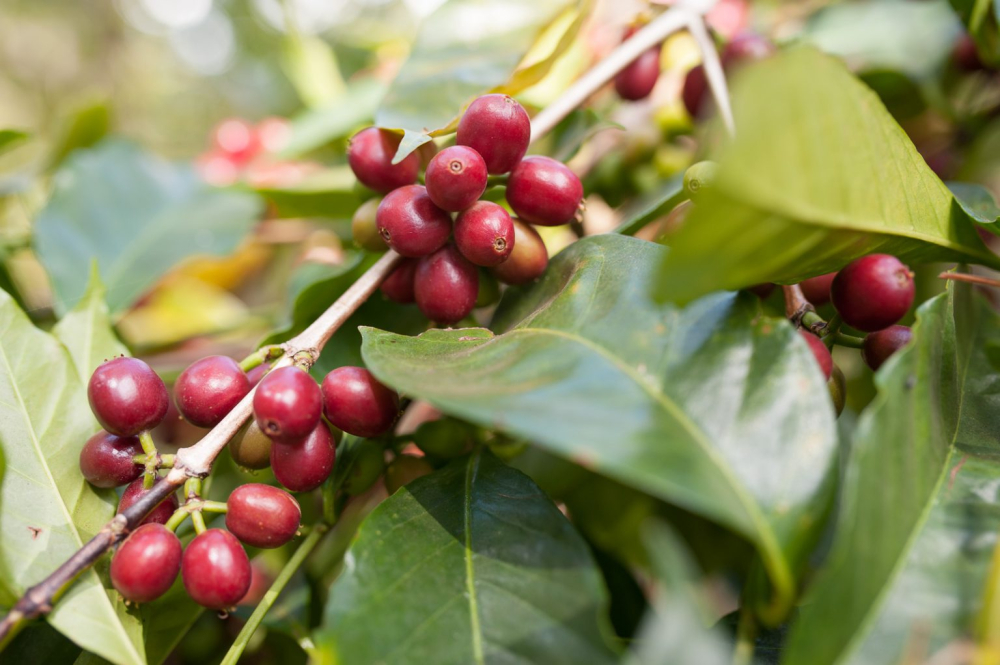
Hualvqi's flavor code lies in its natural processing: after selecting fully red cherries, the beans are spread in thin layers of 2–3 on African raised beds and dried for 21 days, during which they are hand-sorted twice daily (removing 10% defective beans in the first 3 days), with fermentation precisely controlled through regular turning and rain protection. This time-consuming natural drying method fully preserves the sugars and aroma molecules in the fruit pulp, ultimately presenting a complex flavor of passion fruit, jackfruit, fermented wine notes, and a black tea finish.
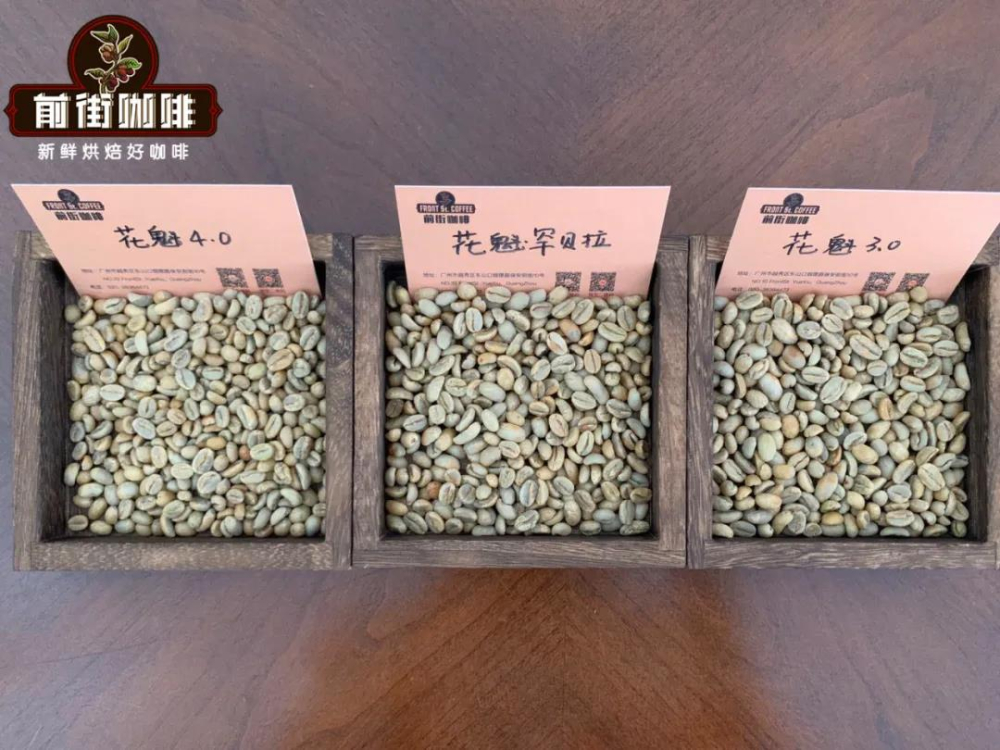
It should be specially noted that Hualvqi's variety belongs to Ethiopian heirloom varieties (Heirloom); because local variety diversity is extremely high and no detailed classification has been published, they are collectively called "heirloom" varieties. Its beans are small and dense, making greater demands on roasting and extraction precision.
Key details of brewing parameters and flavor presentation
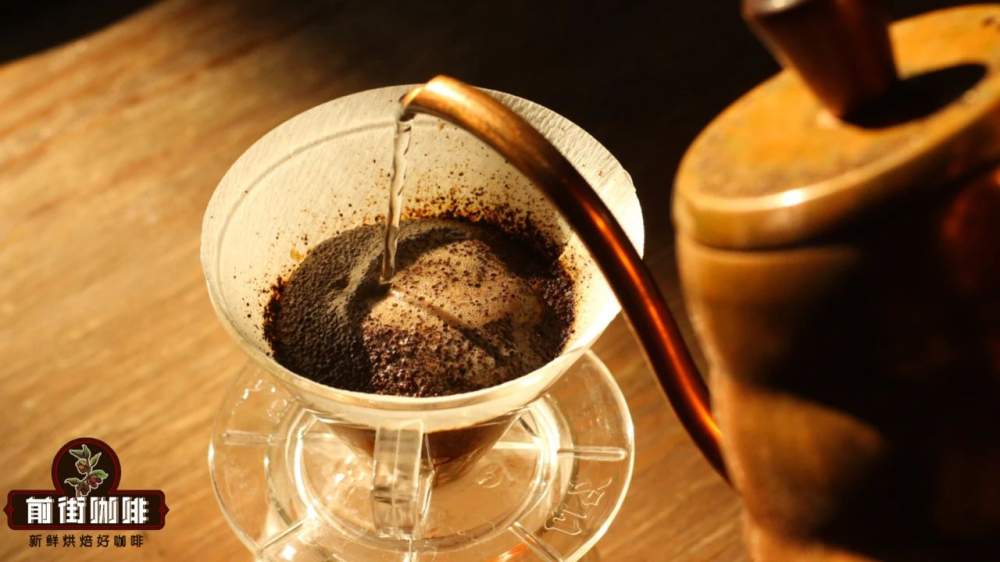
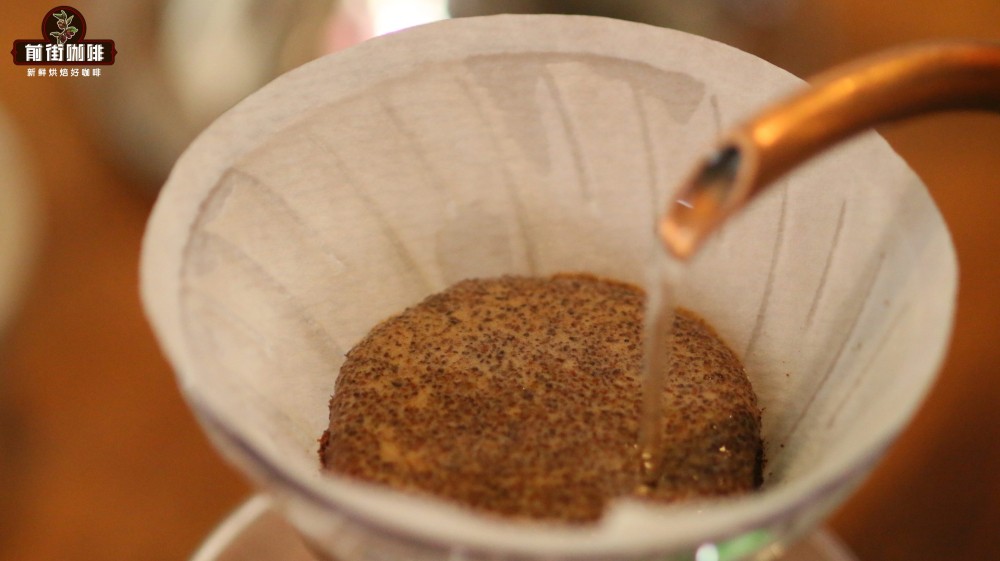
For Mandheling's rich character, a medium-dark roast is recommended (such as a KONO dripper with 88°C water temperature, a 1:15 coffee-to-water ratio, and a grind with 75% passing a No. 20 sieve), focusing on highlighting nutty, pine, and herbal notes while using the dripper's thick structure to enhance body.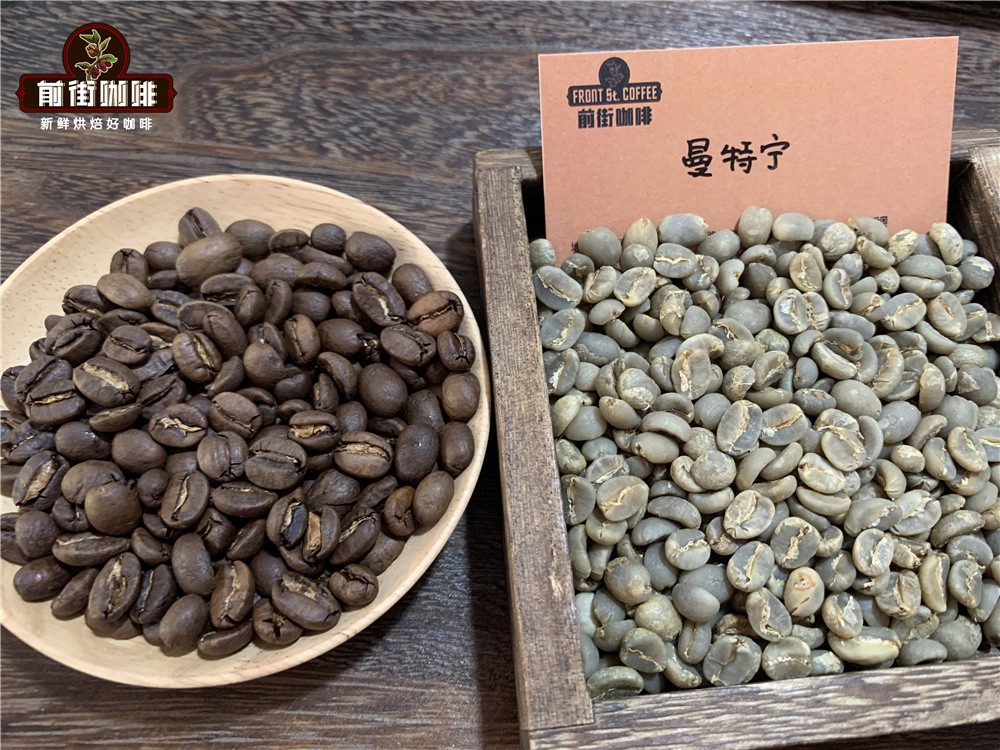 During brewing, keep the water flow steady to avoid over-extraction bringing out bitterness.
Hualvqi is better suited to a light roast (such as a V60 dripper with 90°C water temperature, a 1:15 coffee-to-water ratio, and a medium-fine grind with 80% passing a No. 20 sieve); the spiral ribs extend water-coffee contact time, fully releasing floral aromas and fruit acidity. During brewing, segmented pouring is recommended to strengthen the layers.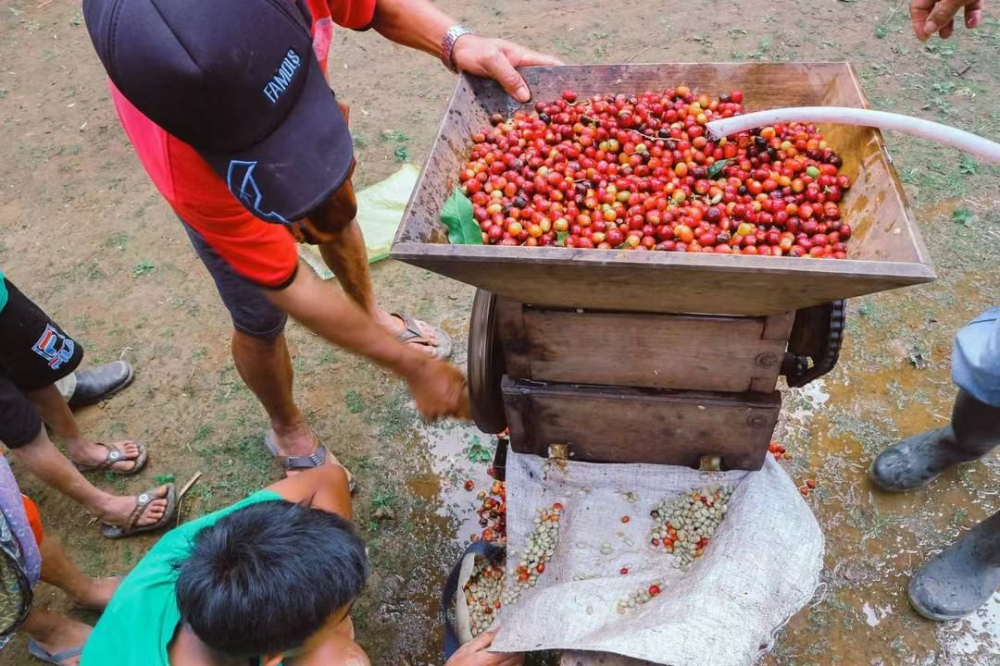
Whether it is Mandheling's depth or Hualvqi's brightness, freshness is the key guarantee of flavor—beans within 5 days of roasting are recommended, and the flavor is best after a resting period of 4–7 days. If buying ground coffee, use it as soon as possible to avoid oxidation and loss of aroma.