Mozambique Racemosa Coffee: A Naturally Low-Caffeine Variety
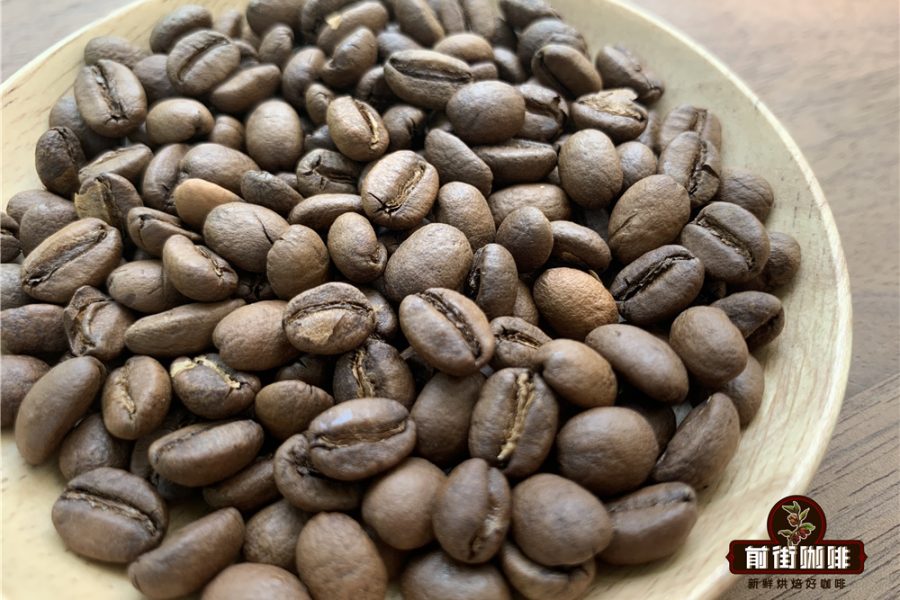
Introduction: Mozambique has an extremely rare naturally low-caffeine coffee variety called Racemosa, with a caffeine content of only 0.38% and no need for chemical decaffeination. It grows in remote coastal areas, has low yields but strong disease resistance, and offers a unique flavor. This article describes in detail this special coffee's growing environment, flavor characteristics, current cultivation status and brewing suggestions, helping coffee enthusiasts understand this niche variety.
Mozambique is located in southeastern Africa, and its coastal areas are frequently affected by tropical storms and cyclones. Since March 2019, the region has been hit by four tropical cyclones and one tropical storm, severely impacting small coffee projects on Ilha de Moçambique. Among them, a project focused on growing Racemosa coffee (Coffea racemosa) has been especially hard hit. This coffee is a naturally low-caffeine variety unique to Mozambique, with extremely low caffeine content.
Racemosa coffee is a very rare coffee variety, growing mainly in the indigenous wild coastal dune forests, riverbanks and rocky outcrops north of Lake St. Lucia (a World Heritage Site) in Mozambique, as well as in parts of the East African coast. The plant is listed as a protected tree in South Africa, which shows how rare it is.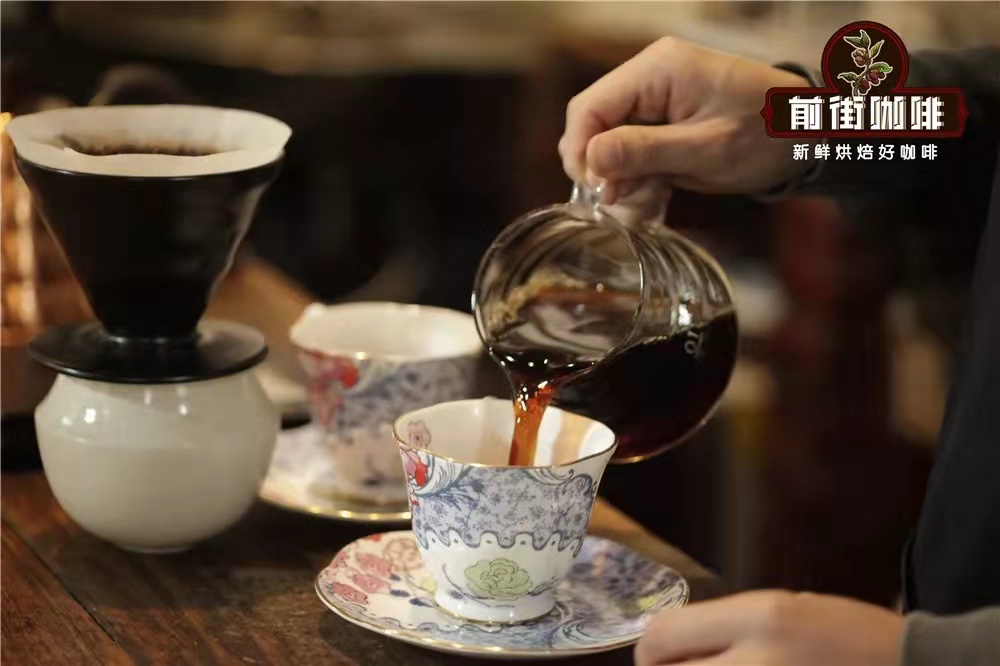 Its plant form is a shrub or slender tree, reaching up to 5 meters in height, with gray-brown bark, dark green leaves, pinkish-white flowers, and purple spherical fruits from October to January of the following year.
Compared with common Arabica coffee beans, Racemosa coffee beans are less than one-third their size, and yields are extremely low. Data shows that the total coffee bean output of six Racemosa trees is equivalent to that of one Arabica tree. For this reason, most coffee farmers are unwilling to grow this low-yield crop. However, Racemosa coffee trees have strong cold tolerance and disease resistance, and can survive in harsh environments, which makes them a cultivation option with considerable potential in the region.
Currently, there is one known small Racemosa plantation near Hluhluwe in Zululand, South Africa, which may be the only remaining cultivation site in the world. Mozambique may also have a small amount of cultivation and export, but the scale is very limited. Because most of these coffee trees grow in remote areas, some of which can only be reached on foot, commercial cultivation and harvesting are difficult to achieve. However, this geographic isolation has also unexpectedly protected Racemosa coffee trees from over-picking and destruction.
The most notable feature of Racemosa coffee is its extremely low caffeine content—only 0.38%, which can almost be regarded as naturally decaffeinated coffee. By comparison, the caffeine content of ordinary coffee beans is usually between 1% and 2%. This means Racemosa coffee can provide a mild coffee experience for caffeine-sensitive people without industrial decaffeination. For consumers who pursue a healthy lifestyle but do not want to give up coffee flavor, this is an ideal choice.
In terms of flavor, Racemosa coffee presents unique taste characteristics. Many tasters describe its flavor as having a mint-like cooling sensation, woody notes, and forest aromas, accompanied by slight licorice flavor and smokiness, with an overall fresh flavor and a slight bitterness. This complex flavor profile has attracted considerable attention among coffee enthusiasts, and it is especially suitable for consumers who like to explore niche coffee flavors.
For enthusiasts who want to try brewing Racemosa coffee, the pour-over method is recommended to fully bring out its delicate flavor layers. A medium-fine grind (similar to fine sugar) is recommended, with water temperature controlled at 90-93°C and a coffee-to-water ratio of 1:15 to 1:17. Because these coffee beans are scarce, they may be difficult to purchase in practice, but if you have the chance to try them, it is worth experiencing this unique naturally low-caffeine coffee.


