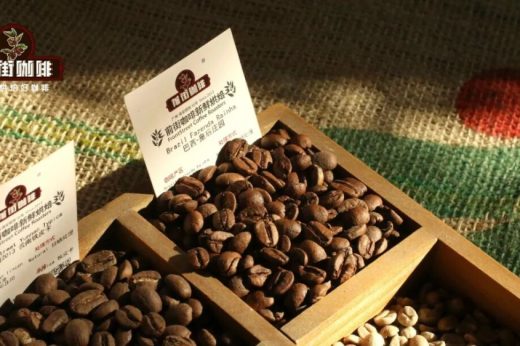
Uganda vs Kenya Arabica: Acidity and Flavor Guide
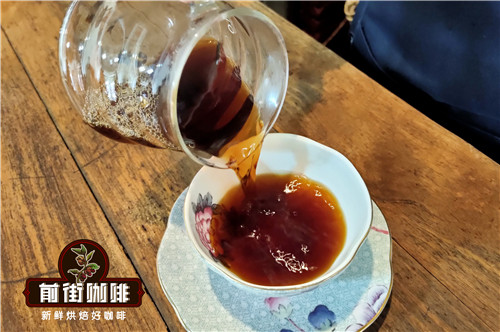
Introduction: Although Uganda is not a traditional coffee powerhouse, its unique terroir produces a distinctive Arabica coffee. This article analyzes the acidity characteristics of coffees from Uganda's two major regions—Bugisu in the east and DRUGAR in the west—compares them with the typical flavors of Kenyan coffee, and offers pour-over extraction parameter suggestions to help you more precisely appreciate the delicate layers of African coffee.
When global coffee regions are mentioned, Uganda's name is often overlooked—yet this East African country contributes nearly 30% of its national foreign trade income and is one of the important origins of Robusta coffee. Today, Uganda is quietly transforming into an emerging producer of high-quality Arabica coffee. The differences in cultivation patterns between its eastern Bugisu region and the western Rwenzori Mountains create distinctly different flavor profiles.
In eastern Uganda, around the extinct volcano Mount Elgon on the Kenyan border, Bugisu coffee is grown using the washed process. This processing method better preserves the beans' bright acidity, as shown in the image 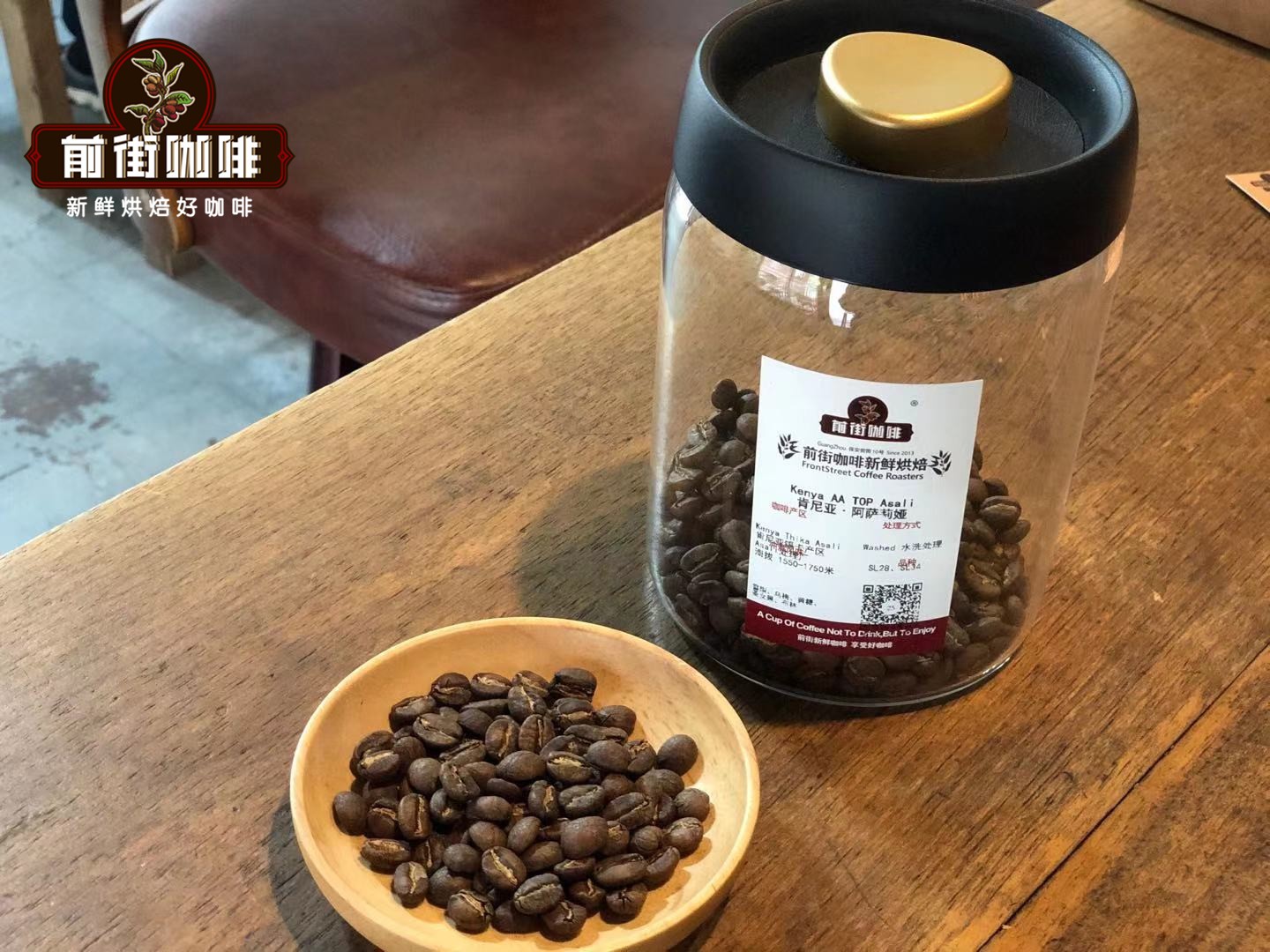 , which depicts the typical landscape of the Mount Elgon producing region. Farms in the western Rwenzori Mountains, by contrast, use the traditional dry process, historically abbreviated as DRUGAR (Dry Ugandan Arabica), where natural sun-drying gives the coffee a fuller body.
Although most Ugandan coffee remains commercial-grade commodity, smallholders have begun to exploit the country's growing advantage at elevations of 1,500–2,000 meters. Bugisu coffee (Coffea arabica var. bugishu), a regional variety, performs especially well in the northeastern highlands near Sipi Falls; its clean flavor and distinctive aroma are often listed by experienced roasters as specialty candidates.
From a flavor perspective, a properly extracted cup of Bugisu coffee displays the acidity typical of East African coffee—acidity intensity usually falls in the pH 5.8–6.2 range—but compared with the signature tomato-like or citrus-like acidity of Kenyan coffee, Uganda's acidity leans toward a milder blend of stone fruit (such as peach) and berry (such as blackcurrant) notes, with lower overall complexity. Its body typically falls in the medium-light range (about level 3–4 on the SCAA scale), which makes it harder to compete on flavor complexity with top competitors from Zimbabwe, Tanzania, or Kenya.
For home brewers who want to highlight Ugandan coffee's character, a pour-over with water at 92–94°C and a 1:15 coffee-to-water ratio is recommended; a medium-fine grind in a V60 dripper (75% passing a Chinese standard No. 20 sieve) balances sweetness and acidity. Kenyan coffee, with its high acidity and full body, is better suited to a lower water temperature of 90–92°C and a longer bloom of 40 seconds to enhance the release of berry notes.
It is worth noting that the central lowlands of Uganda still grow Robusta coffee on a large scale; this species differs greatly from Arabica in flavor—typically with higher bitter compounds (caffeine at 2.7% or more) and nutty/chocolate base notes, so buyers should carefully check region labels. For consumers seeking bright acidity, prioritize washed products labeled from the Mount Elgon or Sipi Falls regions.