Indonesian Mandheling Drip Coffee Buying Guide: Medium-Dark Roast Flavor and Pitfalls
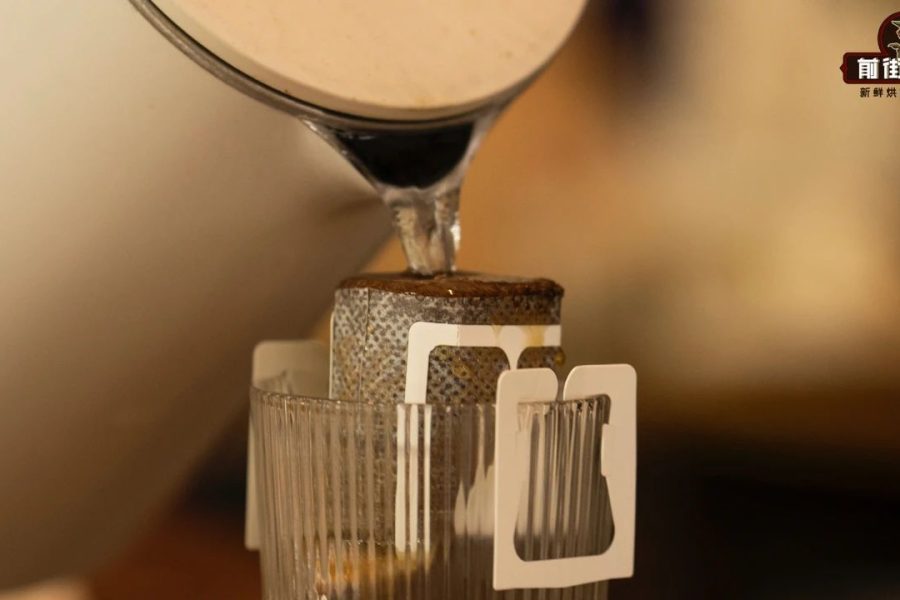
Introduction: Explore the unique appeal of Indonesian Mandheling drip coffee, from classic dark roasts to specialty golden grades, and learn the subtle differences among regions and processing methods. This article explains how to choose the Mandheling drip coffee that best suits your personal taste through roast level, flavor characteristics and brewing method, helping you avoid common buying pitfalls and find a quality option that is rich, full-bodied and has a lasting sweet finish.
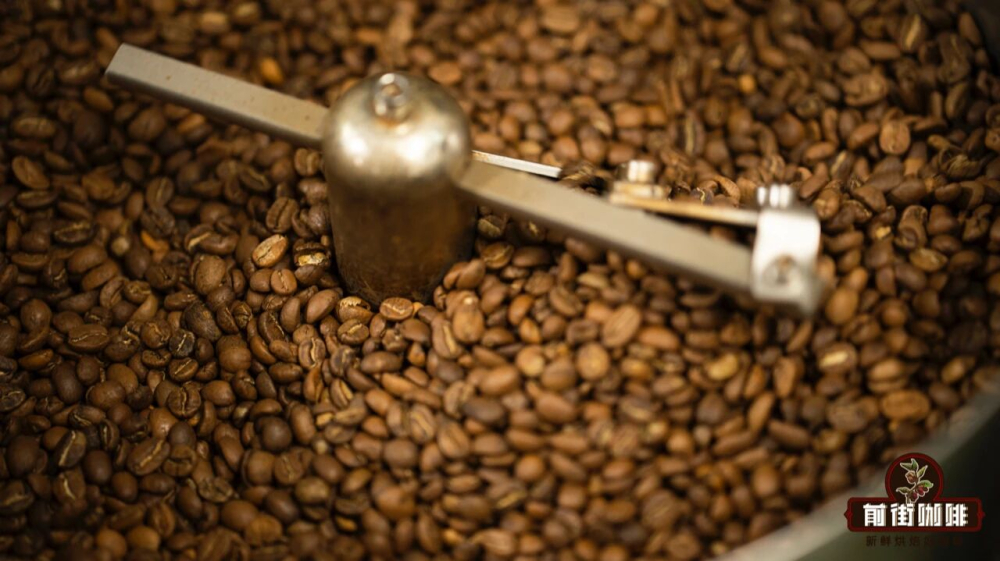
Coffee roast level directly affects flavor expression—the darker the roast, the lower the acidity, and the more prominent the sweetness, smoky notes and full body brought by caramelization. Indonesian Mandheling is a typical representative of the medium-dark roast style; its signature spice, pine and dark chocolate finish, plus a lasting sweet aftertaste, make it the daily first choice for many coffee lovers.
For busy office workers, drip coffee is a solution that balances convenience and quality. But with so many Mandheling drip products on the market, how do you avoid bad choices? The key is understanding the flavor logic: to experience Mandheling's basic characteristics, choose a standard dark roast version; for higher quality, pay attention to region, processing method and sorting standards.
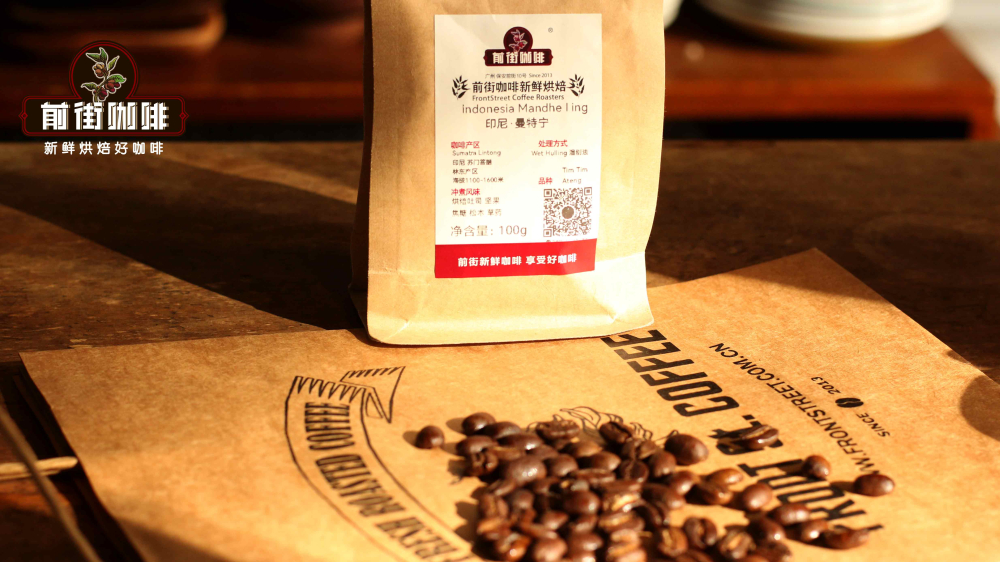
 If you prefer the full-bodied base of classic Mandheling, try a dark roast drip coffee from the Lintong region of Sumatra. This area is located around Lake Toba in North Sumatra Province, and the highland environment at about 900 meters gives the coffee a unique herbal, earthy aroma. Beans processed with the wet-hulled method fully display the compound aromas of caramel, nuts and dark chocolate after dark roasting, with a thick mouthfeel and low acidity, suitable for brewing directly or pairing with desserts.
The flavor core of Lintong Mandheling comes from the local wet-hulling process—after the coffee fruit is pulped, the outer layer is hulled while the mucilage layer is not yet fully dry, accelerating the drying process and retaining more spicy herbal notes. This process creates the heavy body that distinguishes Mandheling from other Asian coffees, and is also why it is so recognizable.
 For an advanced choice, consider specialty-grade Mandheling drip coffee. These products usually come from strictly selected regions, such as specific high-altitude estates in Sumatra. Their production process includes multiple quality inspection steps: from bean density and particle uniformity to color consistency, all must pass machine screening and manual re-inspection. Some high-end lines even carry out "four rounds of hand sorting" to remove defective beans and ensure flavor purity.
The roast curve of this specialty Mandheling leans medium-dark, retaining the unique herbal base brought by wet hulling while strengthening the layers of cedar, spice and caramel through precise heat control. After brewing, licorice and cocoa finish often emerge, with a full, solid entry and a clean, lasting aftertaste.
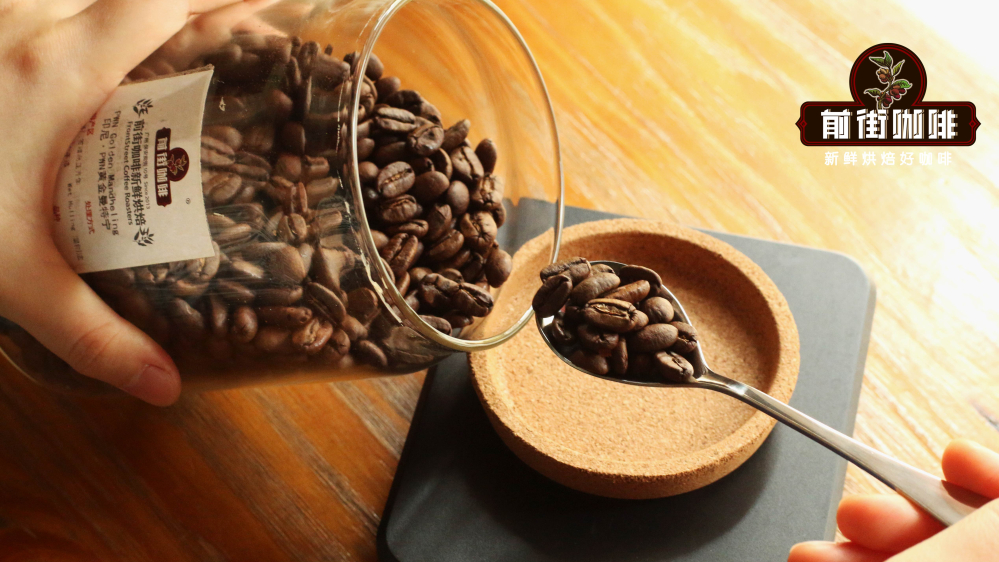 When buying, note two key points: first, confirm the roast date; freshly roasted drip coffee (ideally within 7 days) maximizes flavor activity; second, check the packaging seal, as nitrogen preservation technology can slow oil oxidation. In addition, Mandheling from different regions tends to have different flavor profiles—beans from around Lake Toba are more herbal and spicy, while versions from southern regions may carry more citrus notes.
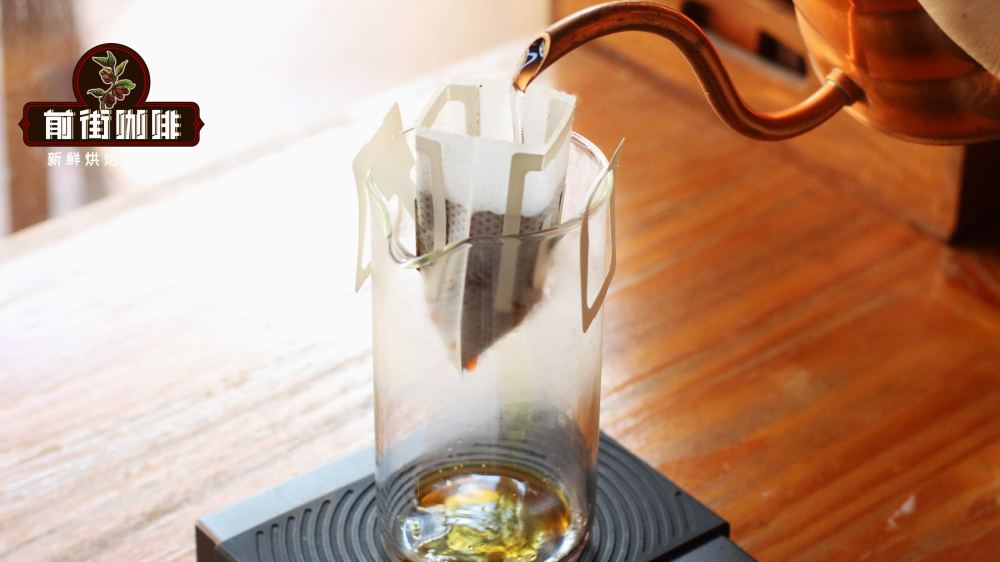
For actual brewing, use water at 90-93°C, a 1:15 coffee-to-water ratio, and a medium-fine grind (similar to fine sugar). When pouring, use the center-outward method: first wet the filter paper, then slowly pour to the target volume, which effectively improves extraction uniformity. If you prefer brighter acidity, lower the water temperature appropriately to 88°C; for a richer mouthfeel, extend the bloom time to 30 seconds.
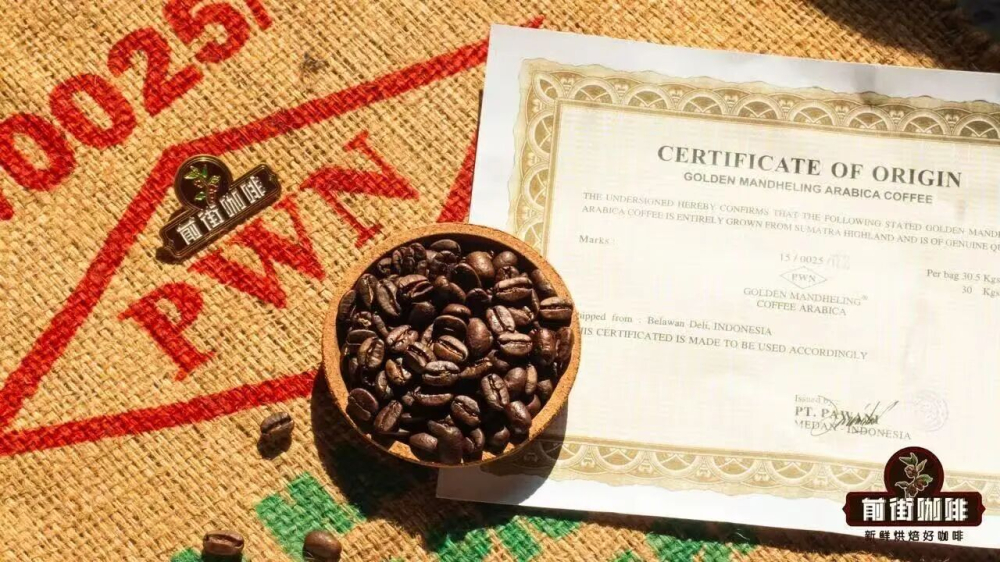 In summary, the appeal of Mandheling drip coffee lies in its stable full-bodied base and rich regional characteristics. Whether it is an entry-level classic dark roast or a carefully selected specialty version, as long as you master the right buying logic and brewing techniques, you can find a quality option that matches your personal taste preferences.


