Flat White Coffee: Complete Guide from Flavor to Brewing Parameters

Introduction: Flat white coffee, with its rich coffee flavor and balanced silky milk foam, has become a favored specialty coffee choice in recent years. This article systematically explains the origins of flat white coffee, its core differences from latte and cappuccino, and focuses on the production principles of a double ristretto base, golden milk foam thickness control techniques (0.3-0.5cm), standard cup volume ratios (using a 180ml cup as an example), and includes a professional-level workflow and flavor presentation logic to help you replicate café-level taste at home.
Flat White originated in Melbourne, Australia, in the 1980s and later gradually became popular in European and American coffee markets. This coffee beverage, often called a "small latte," reduces the proportion of milk (usually 20%-30% less than a latte) and controls milk foam thickness between 0.3-0.5 centimeters, creating a clearer layered contrast between coffee aroma and the richness of milk. It is especially suitable for coffee lovers who pursue a robust mouthfeel.

From a production perspective, there are two mainstream schools of flat white coffee: one uses double ristretto as the base, preserving more coffee oils and floral-fruity acidity by shortening extraction time (about 15-20 seconds); the other uses a regular single espresso paired with ultra-thin milk foam. In practice, adjustments should be made according to the coffee bean roast level—light roasts are recommended with double ristretto to highlight bright acidity, while dark roasts are better suited to single espresso to strengthen caramelized flavors.

Key indicators for identifying a high-quality flat white include: cup volume strictly controlled at 160-180ml (standard ceramic cup specification), milk foam density should reach a level where it coats the back of a spoon but leaves no obvious trace, and the ratio of coffee liquid to milk maintained between 1:3 and 1:4. Notably, a true flat white requires the liquid surface to be completely level with the rim of the cup (the original meaning of "flat"); any bulge of milk foam above the rim is a production error.

The comparison dimensions with latte and cappuccino are as follows: cappuccino's signature 1-2 centimeter thick milk foam layer is suitable for pairing with toppings such as cinnamon powder; latte's milk foam thickness is usually 0.5-0.7 centimeters and milk accounts for over 60%; while flat white coffee uses 0.3-0.5 centimeter ultra-thin milk foam so that every sip delivers the combined taste of coffee oils and milk, and it should be consumed quickly before the milk foam separates.

Regarding the balance of milk and coffee ratios, taking a common 180ml ceramic cup as an example: when using double ristretto, add 150g of 92-94°C hot milk (total liquid volume about 180ml). At this point the caffeine concentration is about 1.5 times that of a regular Americano but lower than espresso. If using single espresso, increase milk by 5-10g accordingly to maintain a smooth mouthfeel. For temperature control, the final serving temperature should remain in the 55-60°C range, ensuring aroma release while avoiding the risk of burns.

Professional-level flat white production steps broken down:
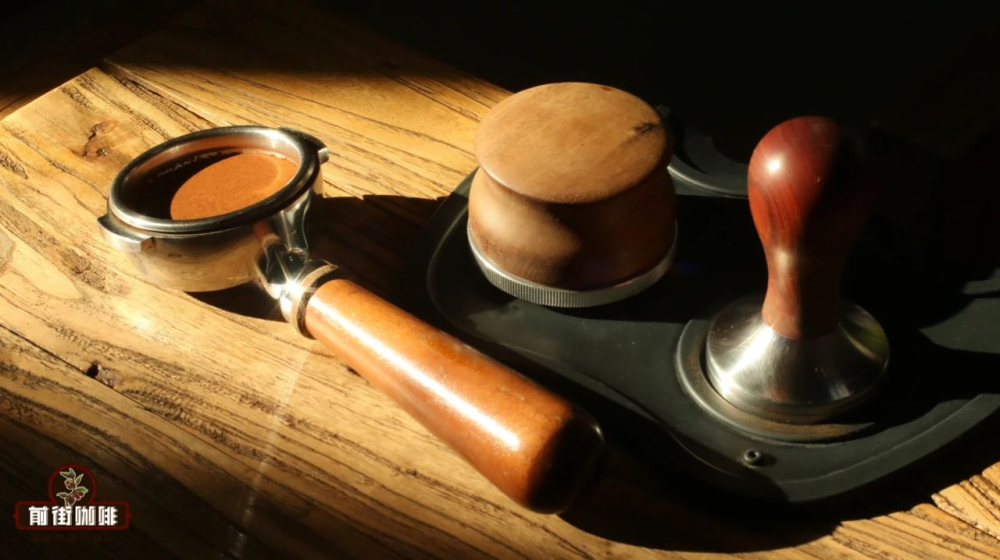
1. Grinding and tamping: Use a medium-fine grind (similar to fine granulated sugar texture), weigh 20±0.5g of coffee grounds, fill the portafilter basket and tap lightly to level, distribute the grounds evenly with a distribution tool, and finally tamp with 30-40 pounds of pressure to form a dense puck;
2. Pre-infusion extraction: Turn on the extraction switch for 3-5 seconds of pre-infusion (to flush residual water from the group head), then formally extract 28-30g of coffee liquid with strict time control within 27-28 seconds;
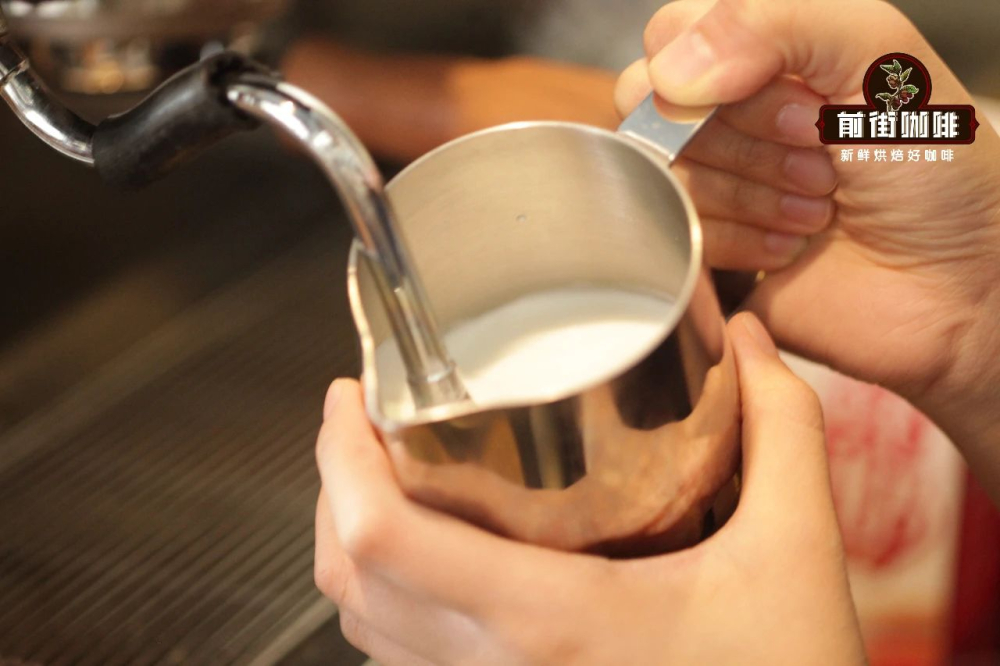
3. Milk foam handling: Pour 150ml fresh whole milk into a milk pitcher, steam until the surface shows a fine, dense bubble structure with diameter ≤3mm (ideal thickness around 5 millimeters), and swirl the pitcher to fully mix the milk with air;
4. Integration technique: Pour the espresso into a preheated cup, tilt the milk pitcher at a 45° angle, slowly pour milk from the center of the coffee liquid while maintaining a 0.5-1 centimeter integration distance, ultimately forming an even brown gradient layer.

In terms of flavor presentation, a high-quality flat white should have a three-layer taste experience: the first sip delivers a slightly salty coffee oil coating the tip of the tongue, followed by the sweet moisture of milk neutralizing the acidity, with a moderate caramel sweetness lingering in the finish. Common flavor defects include: milk foam too thick causing coffee aroma to be masked, milk temperature too high damaging protein structure and producing a fishy smell, and insufficient extraction resulting in a thin mouthfeel. It is recommended to use coffee beans freshly roasted within 14 days and ensure milk fat content ≥3.2% to guarantee milk foam stability.
Advanced technique tips:
• Grind adjustment: If extraction is too fast (<25 seconds), appropriately adjust to a finer grind or increase dose; if flow is too slow (>30 seconds), adjust to a coarser grind or check filter basket cleanliness
• Milk foam control: In lower winter ambient temperatures, it is recommended to heat milk to 60-65°C to maintain milk foam density
• Cupware selection: Thick-walled bone china cups (180ml capacity) are recommended to help retain heat and enhance visual layering
• Tasting timing: It is recommended to drink within 30 seconds after preparation, when the integration of milk foam and coffee is at its best

Special precautions:
✓ Avoid using skim milk (fat content <1% causes milk foam to break easily)
✓ Regularly calibrate electronic scales and timers to ensure parameter accuracy
✓ When cleaning the steam wand, wipe the nozzle with a damp cloth to prevent milk residue
✓ When making multiple cups consecutively, flush the portafilter between shots to avoid channeling

By precisely controlling the above parameters, even a home semi-automatic espresso machine can produce flat white coffee close to café level. The key is to understand the relationships between each variable—grind affects extraction efficiency, milk temperature determines milk foam quality, and cup volume and ratio directly relate to the final flavor balance. Beginners are advised to fix other variables first and adjust only one parameter at a time for comparative testing.
Final reminder: a true flat white should not have any flavored syrup or additional ingredients added; its charm lies precisely in purely showcasing the characteristics of the coffee beans themselves and their natural pairing with milk. Regularly changing coffee beans (rotating beans from different origins each roast week is recommended) can help you more comprehensively master the presentation characteristics of various flavors.


