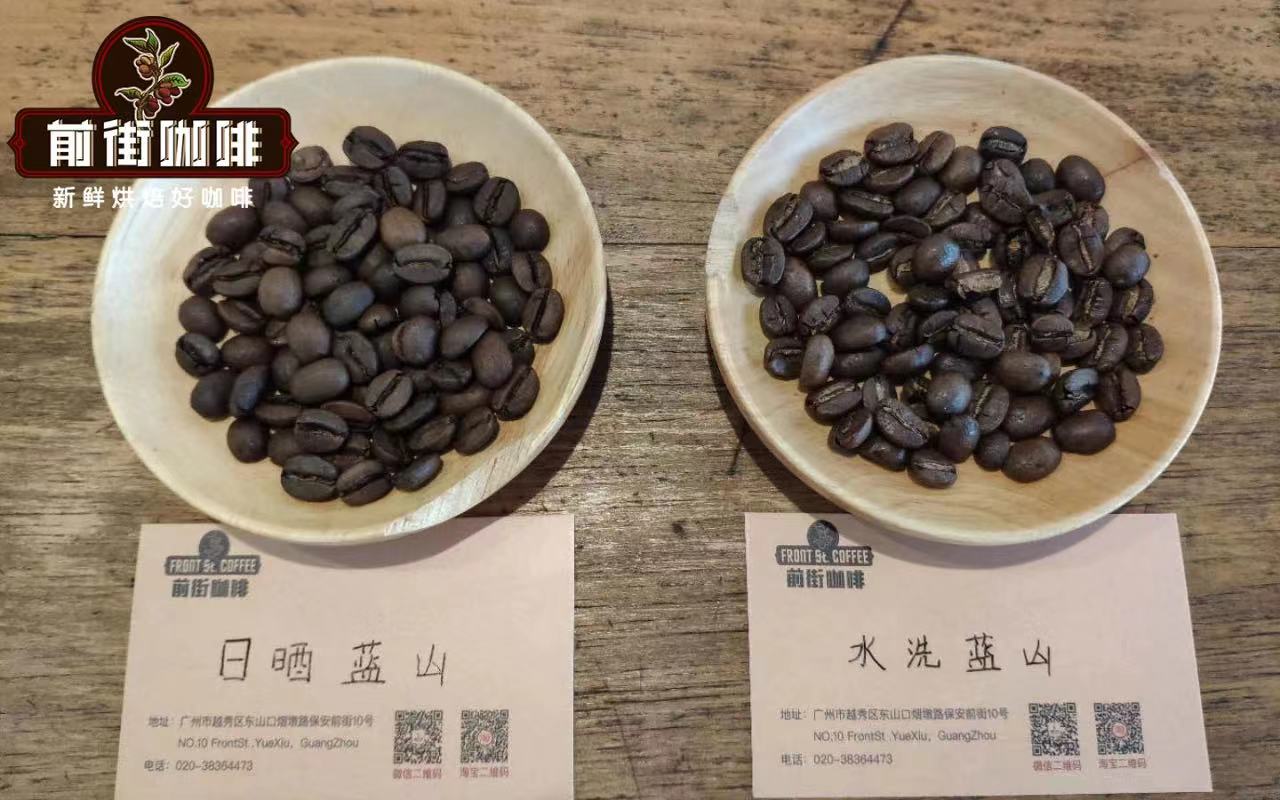
Blue Mountain Coffee Beans vs. Flavored Coffee: Taste and Buying Guide
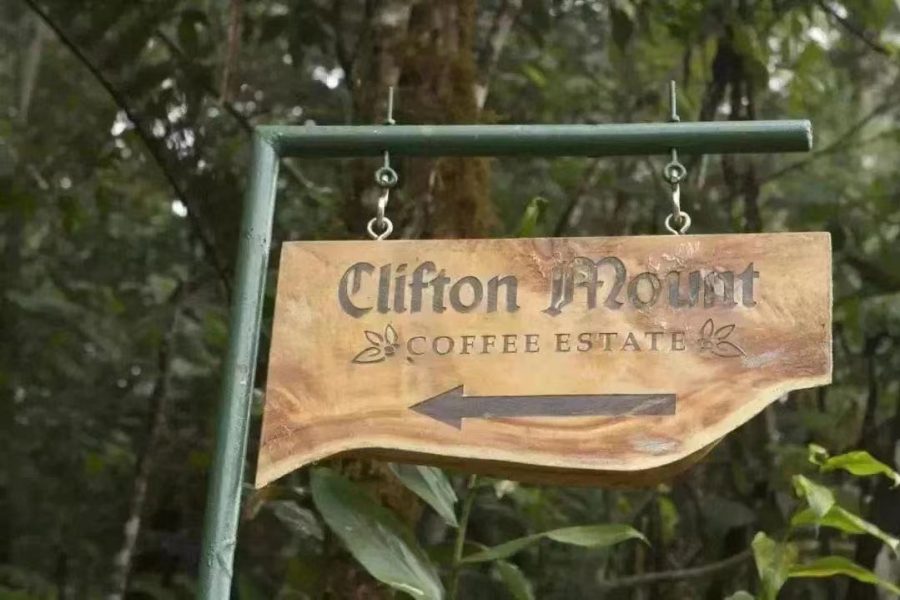
Introduction: Blue Mountain coffee is often called "the king of coffee," but many low-priced "Blue Mountain flavor coffee" products on the market leave consumers confused. What exactly are genuine Blue Mountain coffee beans? How do they differ fundamentally from flavored coffee? This article takes a close look at the origins, flavor characteristics and market pricing logic of both, to help you tell real from fake and understand the distinctive flavor layers and drinking experience of authentic Blue Mountain coffee.
Mention Blue Mountain coffee and many coffee lovers will think of the Blue Mountain range in Jamaica—one of the few regions in the world with perfect conditions for growing coffee. The Blue Mountain coffee beans produced here have long been regarded as a benchmark in the coffee world for their outstanding quality and distinctive flavor. However, there is also a product on the market called "Blue Mountain flavor coffee," priced far below authentic Blue Mountain coffee, which often leads consumers to mistake it for the same thing. In reality, the two are fundamentally different.
True Blue Mountain coffee refers to beans grown at high elevations in Jamaica's Blue Mountain region that meet strict quality standards. These beans not only enjoy exceptional growing conditions but are also subject to extremely rigorous requirements in cultivation, picking, processing and roasting. Because of this, only beans reaching the highest quality grade can be called "Blue Mountain coffee," while slightly lower grades are classified as "Jamaica High Mountain coffee." Every batch of authentic Blue Mountain coffee comes with an official certificate issued by the government—a guarantee of quality.
By contrast, "Blue Mountain flavor coffee" contains no genuine Blue Mountain coffee beans at all. These products are usually blends of various coffee beans with artificial flavoring used to imitate a flavor similar to Blue Mountain coffee; they are essentially instant coffee or formulated coffee powder. Their low price stems precisely from the fact that their raw materials and production methods have nothing to do with authentic Blue Mountain coffee—they merely borrow the highly recognizable name "Blue Mountain" in marketing, which easily misleads consumers.
So what does authentic Blue Mountain coffee actually taste like? Its flavor can be described as "perfectly balanced." Acidity, body and aroma are in harmony with one another, neither too sharp nor dull. On the palate you can sense a fine texture and soft acidity, often accompanied by delicate floral notes and a fresh citric brightness. The overall mouthfeel is rich and smooth, with a long finish free of bitterness—a gentle, refined sensory pleasure.
In terms of origin, the special climate and terrain of Jamaica's Blue Mountain region provide ideal conditions for coffee growing. The altitude, soil composition, rainfall and temperature variation here combine to create the distinctive flavor of Blue Mountain coffee beans. Add to that strict local cultivation management and processing standards, and every Blue Mountain bean carries irreplaceable quality characteristics. Flavored coffee, on the other hand, relies entirely on industrial production, adding spices and flavorings to imitate a particular flavor, and lacks the complexity and layers of natural coffee beans.
As for price, authentic Blue Mountain coffee sells at a high price because of its scarce yield, difficult cultivation and strict quality requirements. Blue Mountain flavor coffee, by contrast, has extremely low costs and can therefore attract consumers with low prices. Note, however, that a low price does not mean good value, because it cannot deliver the flavor experience of real Blue Mountain coffee.
For consumers who want to try Blue Mountain coffee, telling real from fake is crucial. First, check whether the product carries the official certification issued by the Jamaican government; next, see whether the flavor description is exaggerated or vague. Understanding the coffee's origin information and production background can also help you make a wiser choice.
In short, Blue Mountain coffee and Blue Mountain flavor coffee have similar names but differ markedly in quality, flavor and price. By understanding these differences, you can better appreciate the unique appeal of authentic Blue Mountain coffee and avoid buying products that do not live up to their name due to misunderstanding. Whether as an everyday drink or a collector's item, real Blue Mountain coffee is worth savoring slowly.