Low-Caffeine Coffee Bean Buying Guide: Variety Comparison and Flavor Analysis
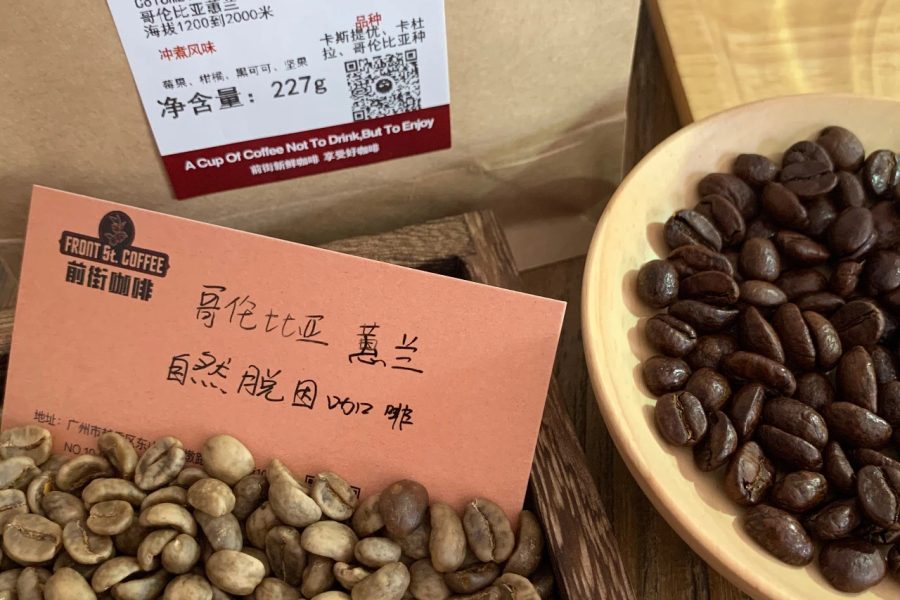
Introduction: Low-caffeine coffee beans suit enthusiasts who are sensitive to caffeine but unwilling to give up coffee flavor. This article explains in detail the differences between the two processes—natural low-caffeine and artificial decaffeination—compares flavor performance and suitable scenarios, and includes buying advice. Through measured data, it explains the principles behind 99% decaffeination technology, helping you choose a suitable low-caffeine coffee solution based on your drinking needs.
Many coffee enthusiasts face a dilemma: they want to enjoy coffee's rich aroma yet worry about caffeine affecting sleep. Low-caffeine coffee beans were created to solve this contradiction; their caffeine content is usually less than 3% of that of regular coffee beans, but they retain most of their original flavor characteristics.
The low-caffeine coffee currently on the market is mainly divided into two major types. Natural low-caffeine varieties, such as Arabica mutants, are naturally only 40%–50% as high in caffeine as conventional varieties due to genetic mutation. Representatives of this type of coffee bean include Laurina and Charrieriana; their flavor layers are richer and often carry a distinctive nutty tone, but the difficulty of cultivation means their price is usually 2–3 times that of regular beans.
Another mainstream choice is artificially decaffeinated coffee beans. Modern processes using solvent extraction (such as the Swiss Water Process) can remove 98%–99% of caffeine, meeting international low-caffeine coffee standards. A common processing flow includes: first soaking in hot water to release flavor substances, then using activated carbon or carbon dioxide to selectively adsorb caffeine molecules. Although this process can precisely control the decaffeination rate, it may lose 15%–20% of aromatic substances.
In terms of flavor performance, natural low-caffeine coffee usually has brighter acidity and complexity, while decaffeinated coffee's body is closer to that of conventionally roasted beans. Professional roasters suggest that if you seek a flavor experience close to the original beans, you can choose medium-roasted natural low-caffeine beans; when focusing on functional needs, dark-roasted decaffeinated beans can provide a richer mouthfeel as compensation.
When buying, pay attention to three key parameters: first, check the caffeine residue stated on the packaging (EU standards require ≤0.1%); second, observe the roast date—the optimal flavor period of low-caffeine beans is about 30% shorter than that of regular beans; finally, adjust the grind size according to the brewing method—decaffeinated beans are recommended to be ground 5%–10% finer than conventional beans of the same variety to compensate for flavor loss.
Common misconceptions include believing that all low-caffeine beans are completely caffeine-free (they actually still contain trace amounts), or mistakenly thinking that decaffeination processing affects health (the by-products of legitimate processes all meet food safety standards). Beginners are advised to start with single-origin low-caffeine beans and, through comparative tasting, find the type best suited to their personal taste preferences.


