Decaf Coffee Explained: Pros, Cons, Processing and Flavor
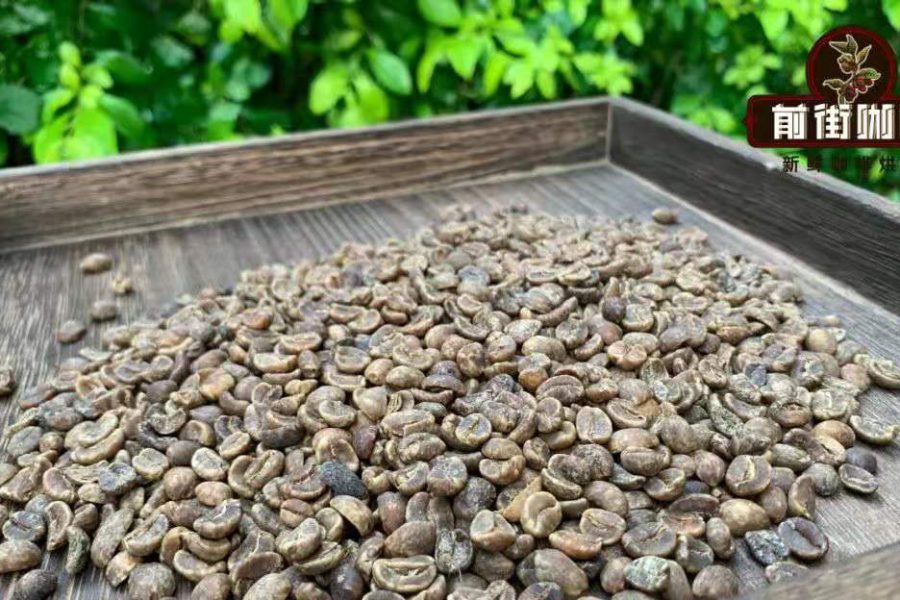
Introduction: Decaf coffee, with its lower caffeine content, has become the choice of many people who are sensitive to caffeine. But does decaf coffee actually taste good? How does it differ from regular coffee? This article introduces in detail the two main types of decaf coffee—naturally low-caffeine and artificially decaffeinated—and analyzes their caffeine content, flavor characteristics and processing methods, to help you make a more suitable choice based on your needs.
Before discussing decaf coffee, let us first look at the caffeine content of regular coffee beans. Typically, regular Arabica coffee beans have a caffeine content of about 0.9% to 1.4%, while the Robusta variety commonly used for instant coffee has a higher caffeine content, reaching 1.8% to 4%. In comparison, decaf coffee has a significantly lower caffeine content, making it suitable for people who want to reduce their caffeine intake but are unwilling to give up coffee flavor.
Decaf coffee currently on the market falls mainly into two categories: naturally low-caffeine coffee and artificially processed decaffeinated coffee. Among these, the representative variety of naturally low-caffeine coffee is Bourbon Pointu, a genetic variant of the Bourbon coffee tree. Due to natural genetic degeneration, Bourbon Pointu has only about half the caffeine content of regular coffee beans, roughly 0.6%, and therefore qualifies as a naturally low-caffeine variety. This type of coffee not only has low caffeine content but also has unique characteristics in flavor expression; however, due to its scarce yield, its price is relatively high.
The other, more common type of decaf coffee is coffee that has been decaffeinated through artificial processing. This coffee uses regular coffee beans that have undergone special processing, and one of the more mainstream methods is the Swiss Water Process. This method first soaks selected green coffee beans in warm water, causing caffeine and other soluble substances to dissolve into the water. These caffeine-containing waters are then passed through activated carbon filters, and the activated carbon can effectively adsorb caffeine molecules, thereby achieving decaffeination. The treated water is then recycled for reuse, to ensure maximum caffeine removal while preserving other flavor substances as much as possible.
In terms of decaffeination effectiveness, artificially processed decaf coffee can usually achieve a caffeine removal rate of 99%, and can almost be regarded as "caffeine-free coffee." The advantage of this method is its lower cost, so most decaf coffee on the market uses this type of process. However, because activated carbon may also carry away some flavor compounds while adsorbing caffeine, the flavor of this type of decaf coffee is often not as rich as that of regular coffee, and is sometimes described as having a relatively light mouthfeel; some consumers even think it tastes as if it has been "diluted with water."
In comparison, naturally low-caffeine coffee such as Bourbon Pointu not only has naturally lower caffeine content but also performs well in flavor, with bright acidity and noticeable sweetness; however, due to limited cultivation and yield, its price is usually relatively expensive, and it is not common on the market.
For consumers who want to try decaf coffee, the choice can be weighed according to personal taste preferences and budget. If you pursue a purer low-caffeine experience and are not very price-sensitive, naturally low-caffeine coffee such as Bourbon Pointu is a good choice; if you care more about cost-effectiveness, artificially decaffeinated coffee is a more common and economical choice.
Whichever type of decaf coffee you choose, it is advisable to pay attention to its roast level and brewing method, because these factors also affect the final flavor expression.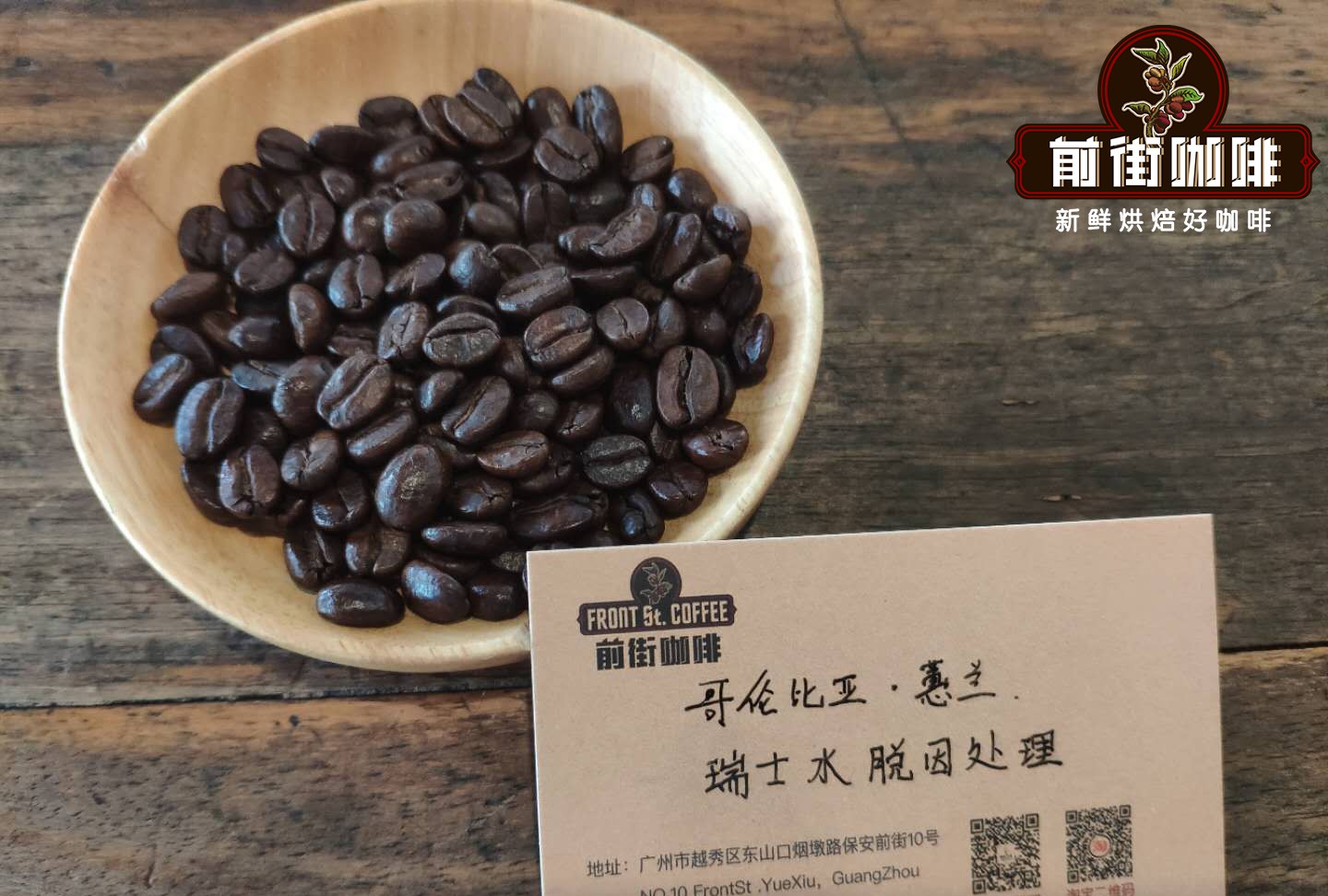 When brewing, appropriately adjusting grind size and water temperature can also help you better experience the unique flavor of decaf coffee.


