How to Choose SOE Coffee Beans: Yirgacheffe and Other Single-Origin vs. Blend Flavor Differences
Introduction: Want to know which coffee beans are suitable for making SOE (single-origin espresso)? This article takes a deep look at the core differences between SOE and standard blended beans, covering everything from flavor performance to extraction suitability. By comparing single-origin beans from well-known regions such as Yirgacheffe with classic blend recipes, it helps coffee lovers master selection techniques, and also includes bean recommendations for different scenarios and practical parameter suggestions to improve your coffee-making experience.
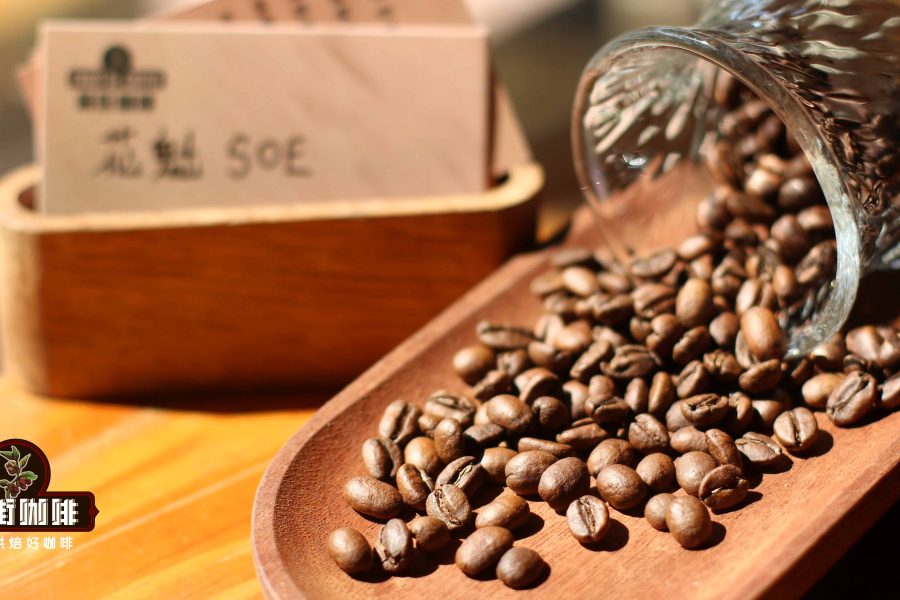
SOE is the abbreviation of "Single Origin Espresso," referring to espresso made from coffee beans from a single region. Unlike conventional espresso beans, which use blends from multiple regions, SOE preserves the unique terroir characteristics of a specific origin, but under the high-pressure extraction environment it requires stricter quality control. This approach both continues the rich base of espresso and gives the drink a more distinct regional personality.

The core goal of traditional espresso blends is flavor stability. Because coffee beans from a single origin are easily affected by natural factors such as climate and altitude, flavor can fluctuate considerably between batches. Professional baristas usually mix two or more beans from different regions, adjusting the proportions to balance acidity, sweetness and body. This approach not only ensures consistency of output throughout the year, but is also generally lower in cost than high-end single-origin beans.

The selection of espresso blend beans involves professional considerations. High-quality blends usually use a medium-dark roast level, a treatment that produces abundant caramelized substances and forms a thick crema layer during high-pressure extraction. It is recommended to choose fresh beans within 5-14 days after roasting, when the crema performs best. As for extraction parameters, maintain 25-30 seconds at 9-10 atmospheres of pressure, with a dose-to-yield ratio of 1:2 to 1:3 as the ideal range.

The unique value of SOE coffee beans lies in showcasing the flavor code bestowed by the microclimate of the origin. Ethiopia's Yirgacheffe region is known for its bright citrus notes, and its naturally processed beans often carry berry-like aromas; while Central American coffee beans may present the rich, mellow qualities of chocolate and nuts. When using SOE to make espresso, it is advisable to pay attention to the bean's processing method—washed processing usually gives clearer acidity, while honey processing gives more prominent sweetness.

For high-acidity single-origin beans such as Yirgacheffe, special attention must be paid to extraction balance when making SOE. Naturally processed Yirgacheffe varieties intensify floral and fruity aromas in espresso form. It is recommended to adjust the grind 0.5 step finer (compared with conventional blend beans) and control the extraction temperature in the 92-94°C range. This highlights its signature orange blossom and red berry flavors while avoiding the sharp acidity caused by over-extraction.

Costa Rica's honey-processed SOE is another popular choice. Beans processed with raisin honey transform into a unique caramel sweetness in espresso form, with a body between that of Ethiopian beans and Indonesian beans. For this type of bean, a medium-dark roast is recommended (Agtron value about 55-60); extending the pre-infusion time to 45 seconds during extraction can effectively bring out an elegant osmanthus-like aroma. It is especially suitable as a base bean for lattes, and its sweetness is further amplified when paired with milk.

Indonesian-style Sumatra Mandheling SOE is known for its heavy body. High-quality batches that have undergone three rounds of manual sorting display layered, complex spice flavors in SOE form. A dark roast is recommended (Agtron value 45-50), paired with a coarser grind (similar to the texture of sea salt), and the extraction time can be appropriately shortened to 22-25 seconds. Black coffee made from this type of bean shows a distinct dark chocolate finish, and it pairs even better with spices such as cinnamon.
No matter which type of coffee bean you choose, freshness is a key indicator. Professional roasters usually recommend using beans within 7-21 days after roasting, when carbon dioxide release is sufficient and aromatic substances remain active. For storage, use aluminum foil bags with one-way exhaust valves, and avoid direct sunlight and humid environments. For home use, it is recommended to buy small packages of beans on a weekly basis to ensure the best flavor state in every brew.


