Panama Hacienda Esmeralda Geisha Coffee: Red Label, Green Label and Las Rocas Explained
Introduction: From auction legend to daily brew, Panama Hacienda Esmeralda Geisha coffee has become a specialty coffee benchmark thanks to its distinctive floral and fruity profile. This article breaks down the differences among the three product lines—Red Label, Green Label and Las Rocas—reveals the growing altitude, processing methods and pour-over parameters behind the 90+ scoring beans, and includes a professional-grade flavor comparison guide to help you find the Geisha experience that suits you.
Once upon a time, Blue Mountain coffee was the "king" in the hearts of coffee lovers, but today Panama Geisha coffee, with its more vivid flavor layers and scarcity, has become the "queen" of the global specialty coffee market. This variety, which originated in Ethiopia, was revitalized through careful cultivation at Hacienda Esmeralda in Panama and rose to fame in one stroke through the BOP competition in 2004.
The history of the Geisha coffee variety is quite legendary: it was first discovered in Ethiopia's coffee forests in the 1930s, then passed through Tanzania's Lyamungu research station to Costa Rica's CATIE agricultural research institute, and was finally introduced to Panama in the 1960s for its leaf rust resistance. World Coffee Research confirms that the Panama Geisha T2722 line has unique genetic stability and can display delicate floral and tropical fruit notes when grown at high altitude.
After adjusting its product line in 2021, Hacienda Esmeralda divided its Geisha coffee into three series: Red Label, Green Label and Las Rocas. Among them, Red Label (Esmeralda Special) is positioned as high-end, using beans grown at 1,600–1,800 meters with cupping scores above 90; some lots are sold through separate auctions. It should be noted that auction lots and non-auction lots actually come from the same plots, and the main difference lies in whether they participate in the auction stage.
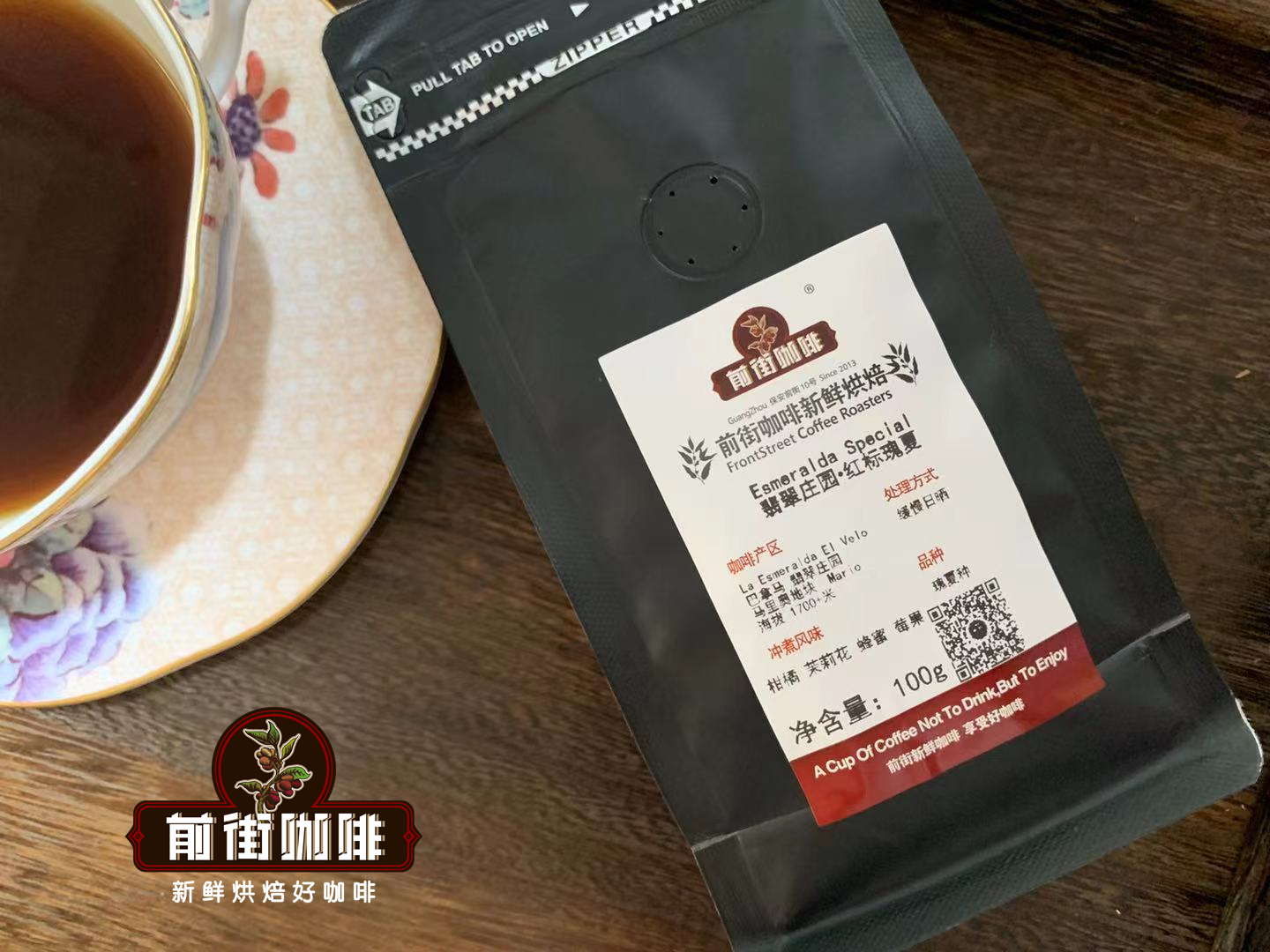
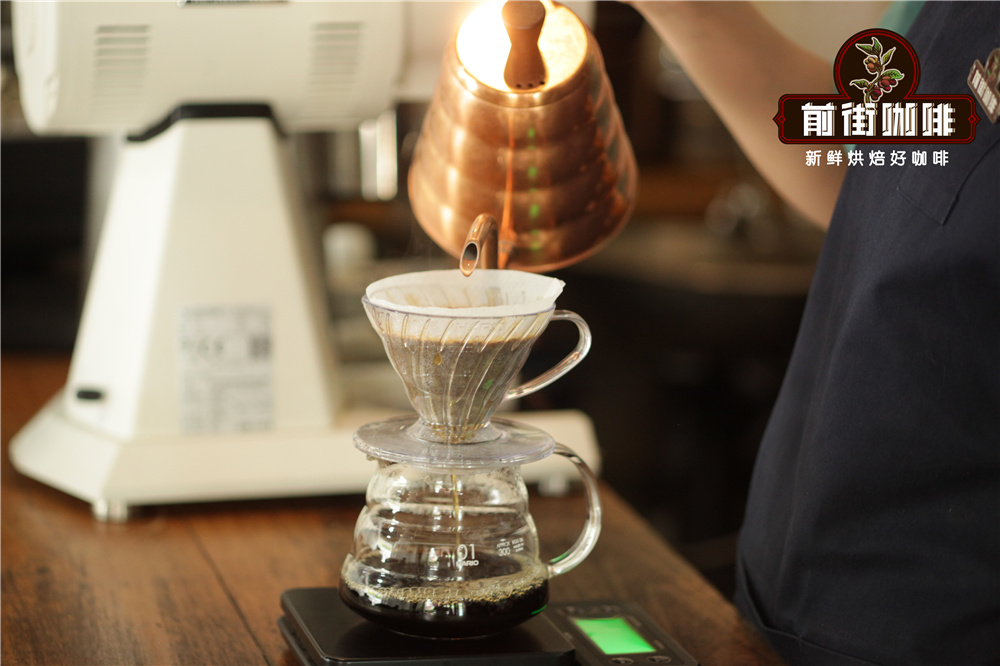
The classic Red Label usually uses the natural process; for example, the naturally processed Geisha from the Mario plot at 1,700 meters can strengthen floral and fruity aromas and sweetness layers. Recommended pour-over parameters: 92°C water with a V60 dripper, 1:15 coffee-to-water ratio, a grind with 80% passing through a No. 20 sieve, and a three-pour method (30 ml bloom → 125 ml → 225 ml) to achieve precise extraction in 2 minutes.
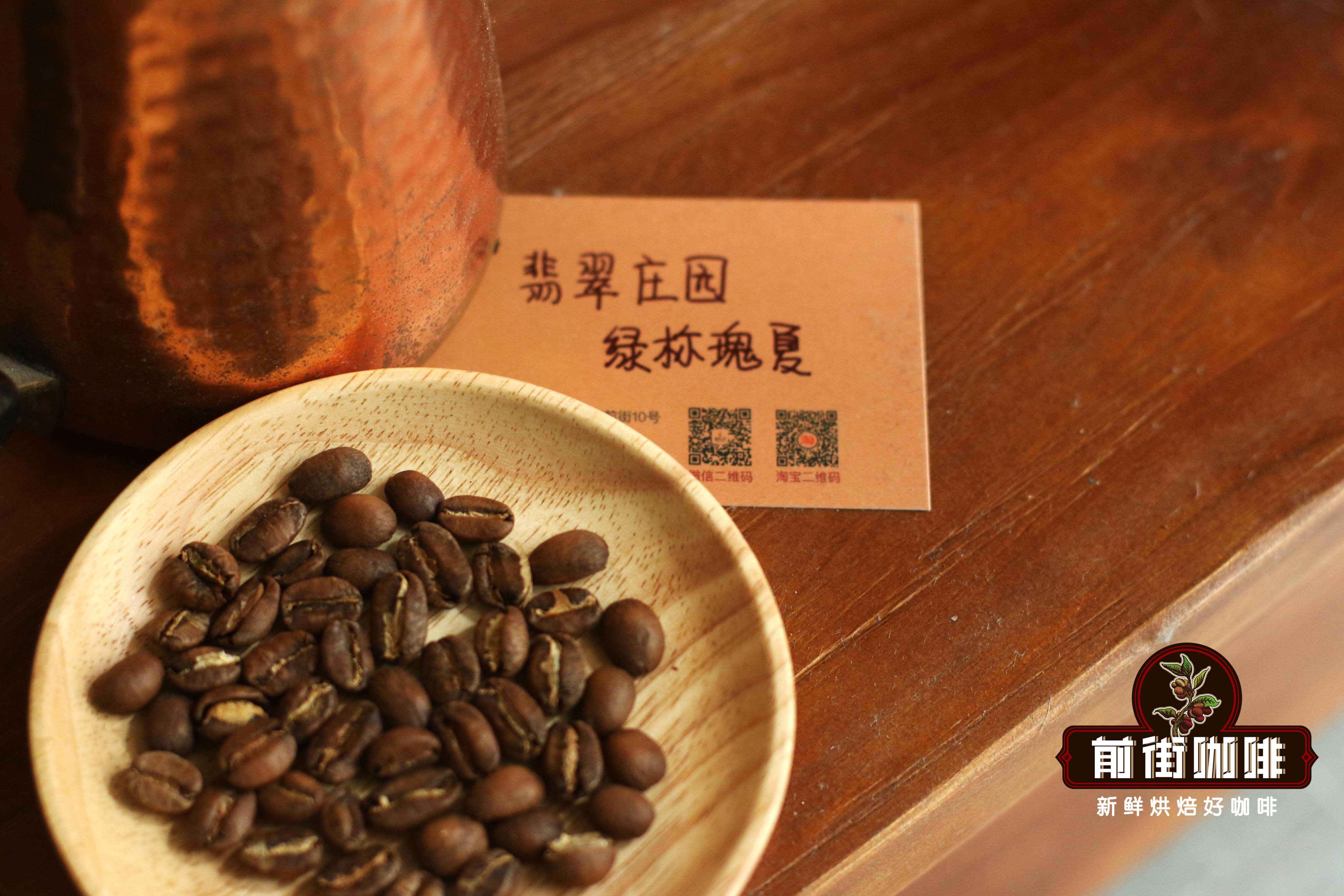
Green Label (Private Collection), as the value choice, blends Geisha beans from multiple micro-plots. Although a single plot of origin cannot be traced, it often presents citrus acidity and juiciness similar to Red Label. The washed version has a clear jasmine and ginger lily fragrance, suitable for consumers who prefer a refreshing profile. This series is also grown at high altitude of 1,600–1,800 meters, and the processing plant strictly selects blended lots that meet the standards.
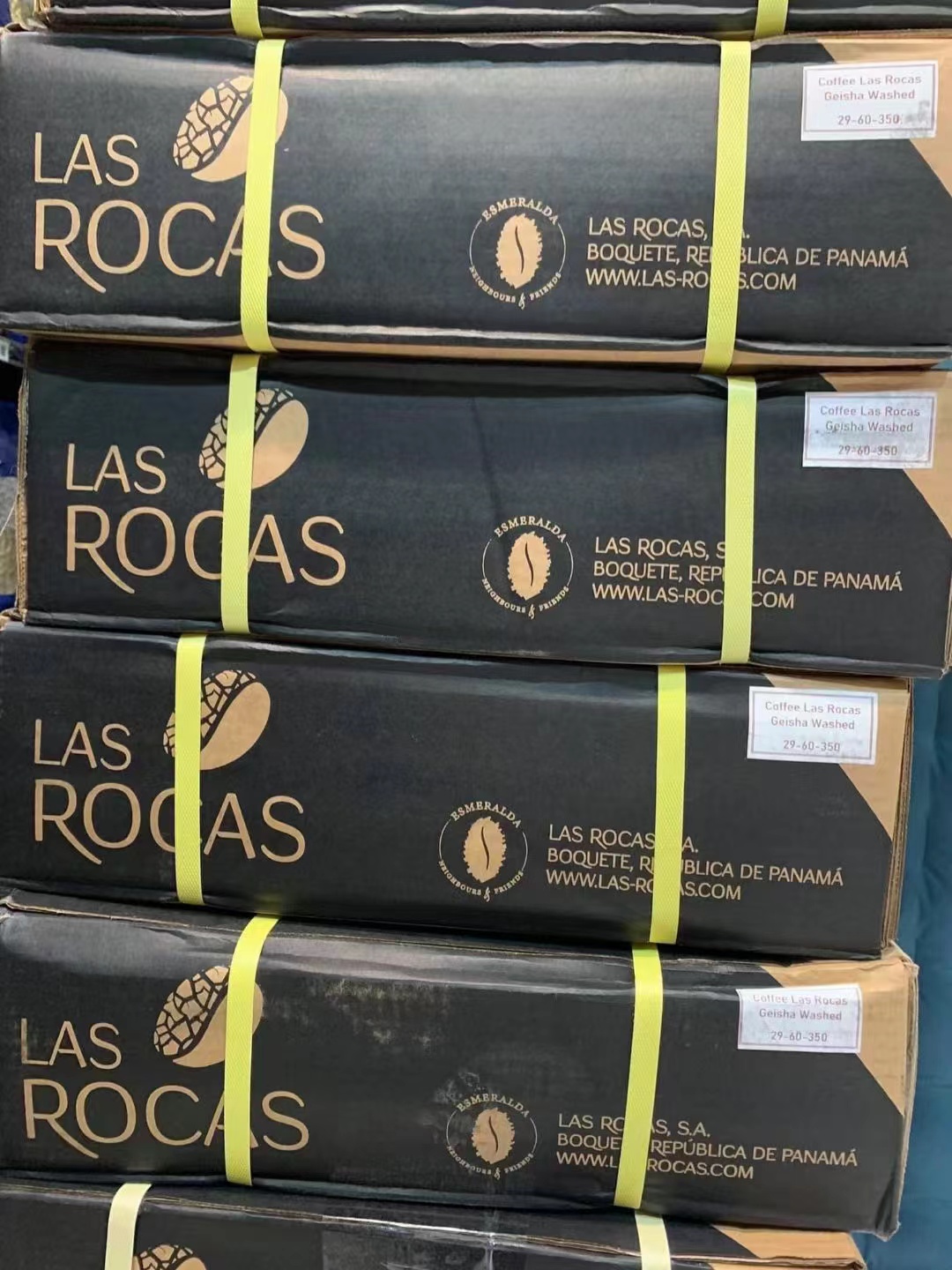
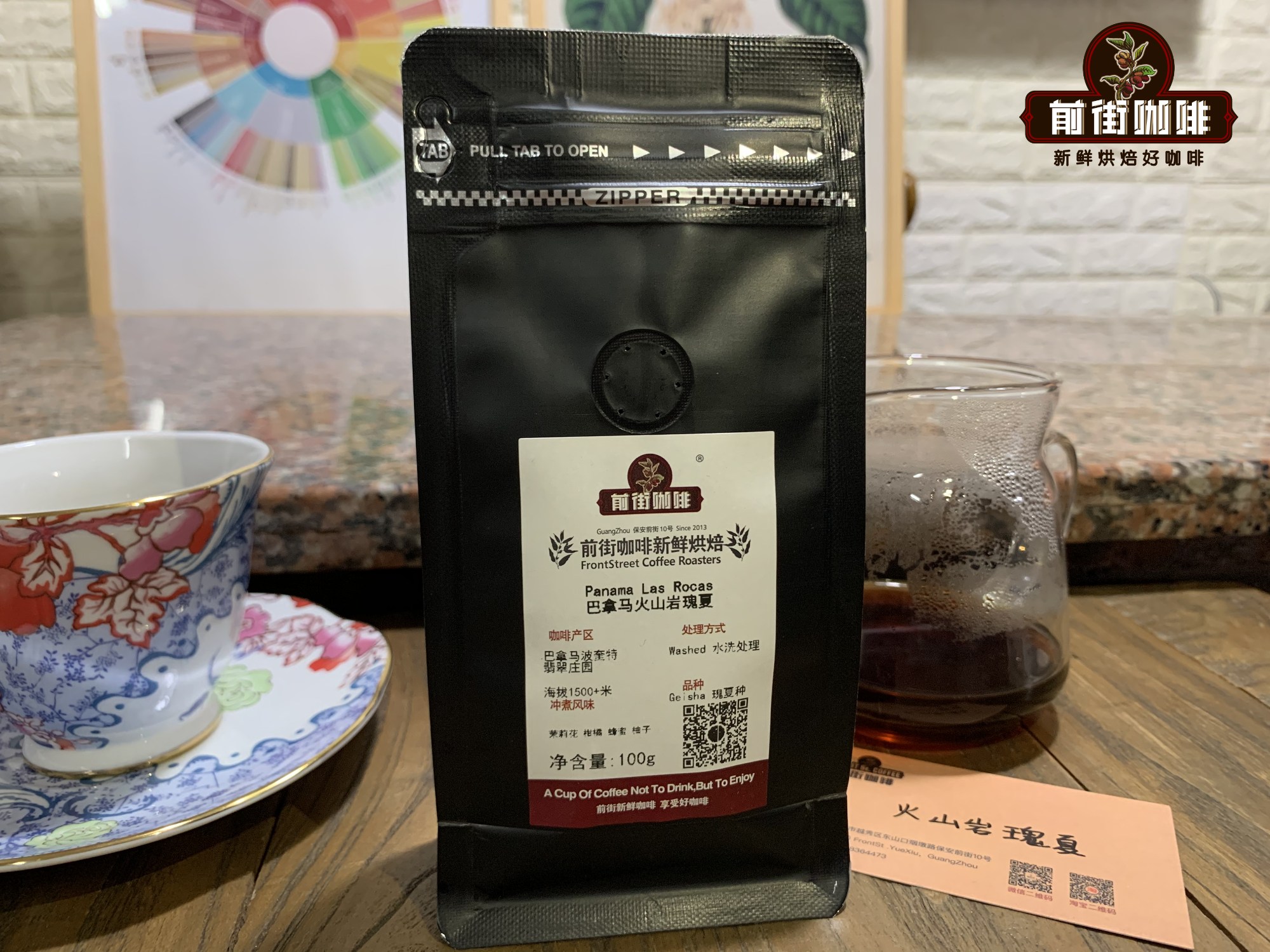
As for the formerly existing Blue Label (Geisha 1500), the brand integrated it into the main product line in 2021. The "Volcanic Rock Las Rocas" currently on the market is actually Geisha beans from the Boquete region at 1,400–1,600 meters. Although processed under contract by Hacienda Esmeralda, it no longer belongs to the original Blue Label system. Cupping comparisons show that this lot is comparable in quality to the 2020 Blue Label, and the washed process highlights clean, bright acidity and a black tea finish.
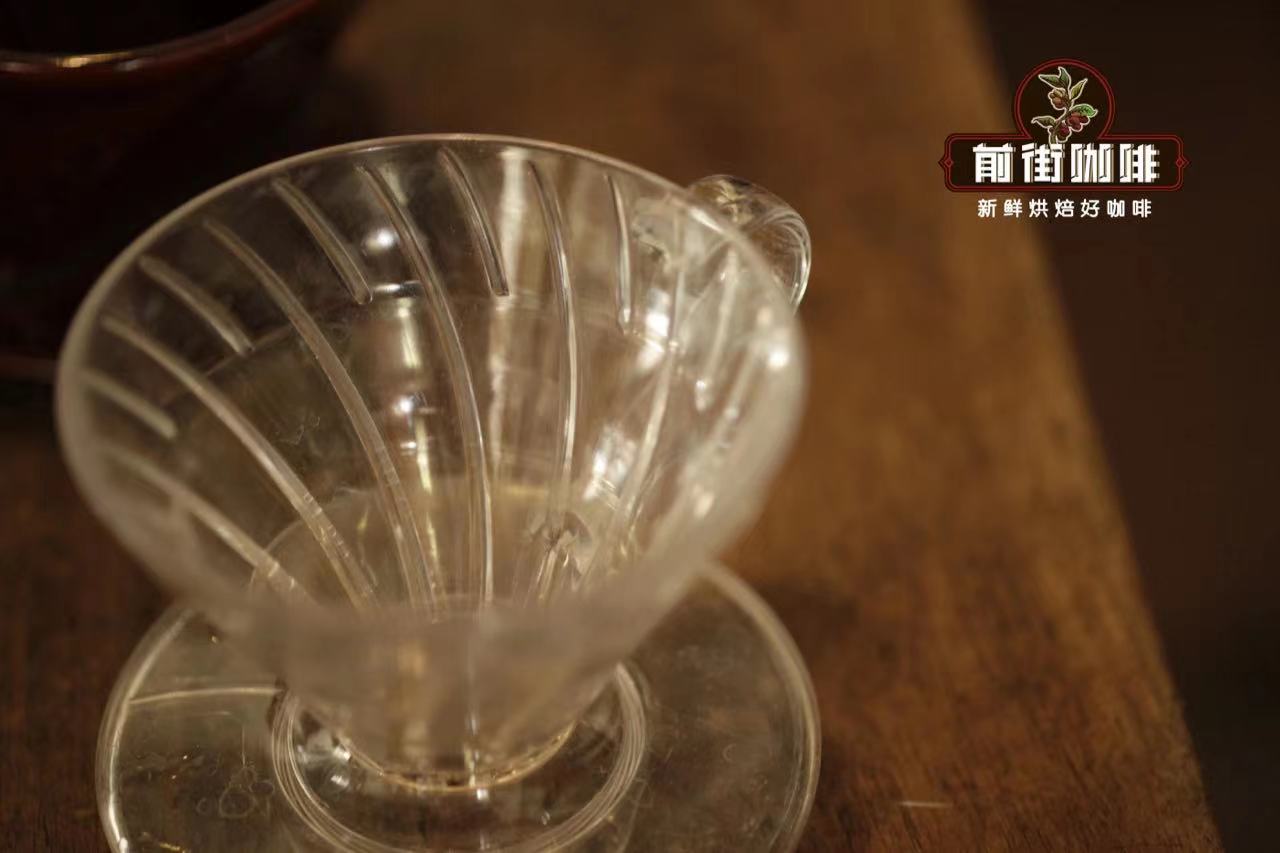
For home brewing, medium-light roasted Geisha coffee is best brewed with 90–93°C hot water to avoid sharp acidity caused by high temperatures. A V60 dripper can effectively highlight its bright acidity and layers; if you want a fuller body, you can switch to a Kalita Wave flat-bottom dripper. It is worth noting that the fruity acidity of Geisha coffee peaks in the later stage of extraction, so it is recommended to keep the total time within 2 minutes 10 seconds to balance sweetness.
Summary of purchasing points: if your budget allows, try Red Label auction lots for a top-tier flavor experience; for daily drinking, Green Label blends offer better value; the Las Rocas series suits consumers who like the terroir character of volcanic soil. Whichever grade you choose, Geisha beans grown above 1,600 meters can guarantee a clear floral base and complex fruity variations.