Why Is Brazilian Coffee Rarely Specialty? The Flavor Truth of the World's Largest Producing Region
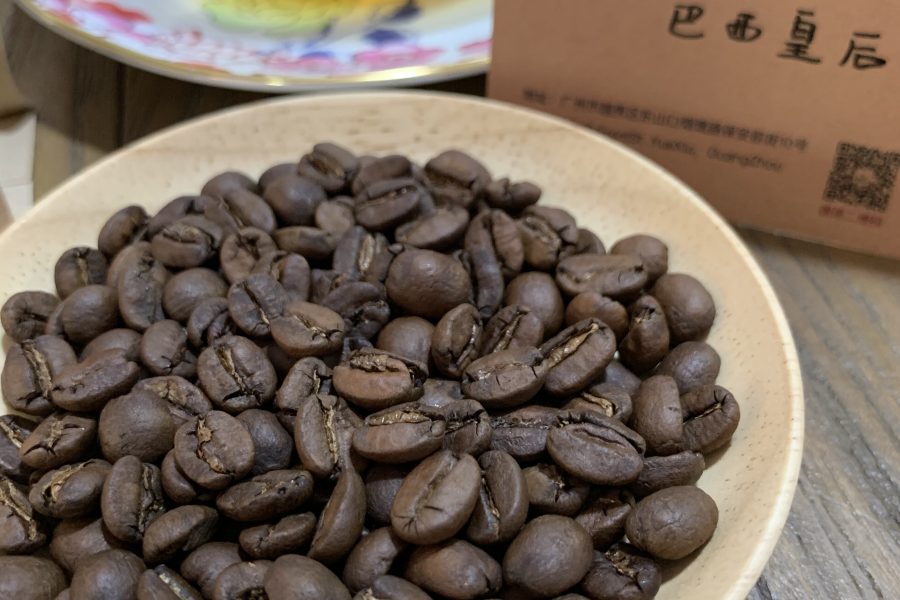
Introduction: Brazil is the world's largest coffee producer, contributing over 40% of global coffee beans, but few equate its coffee with 'specialty' or 'premium.' Behind this are both the economic logic of large-scale cultivation and objective geographical limitations. This article analyzes the true positioning of Brazilian coffee, revealing the secrets of Brazilian beans hidden behind instant coffee and espresso blends, and how to identify the high-quality varieties among them.
As an absolute giant in the global coffee landscape, Brazil ranks first with over 40% of the world's coffee production. The coffee beans produced here are commonly found in instant packaging on supermarket shelves or as the base for espresso and cappuccino on café menus—even if you haven't drunk coffee labeled 'Brazil,' you've likely tasted beans from here.
But when it comes to specialty coffee or premium certification, Brazil's name rarely appears. The primary reason lies in its industry positioning: coffee is a pillar crop of Brazil's agricultural economy, and the cultivation model leans toward economies of scale rather than the pursuit of singular quality. Mechanical harvesting is widely used; machines cannot precisely distinguish ripe from unripe coffee cherries and often pick green ones along with ripe ones, directly affecting the final flavor. In addition, 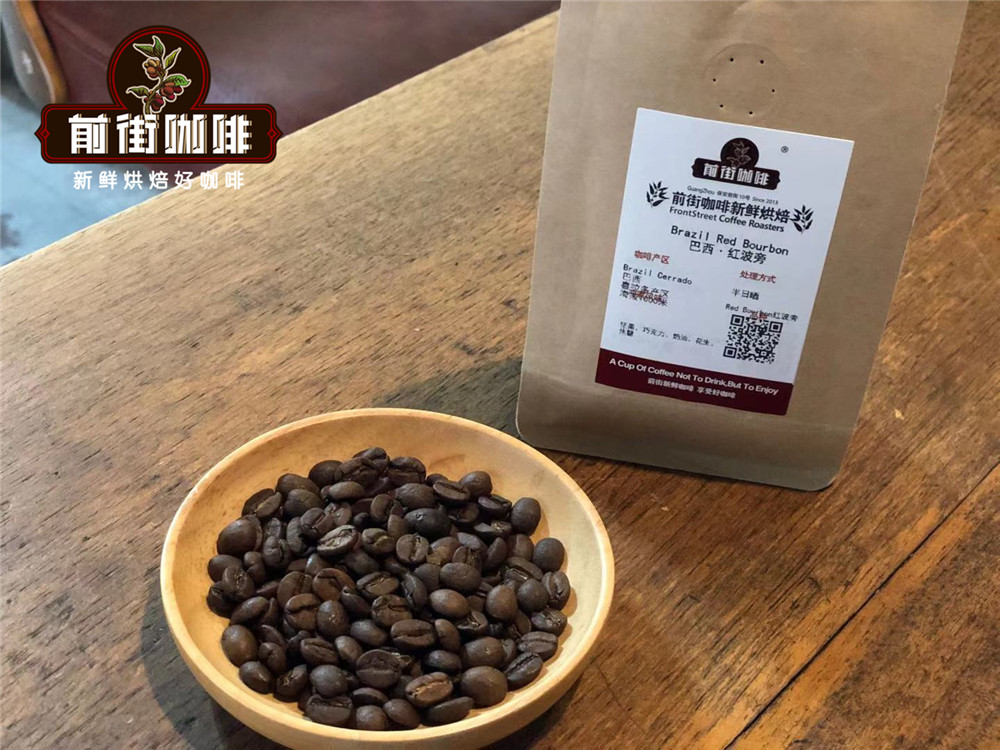 most Brazilian producing regions are located in flat savanna areas, rather than the high-altitude volcanic soil environments favored for specialty coffee, and this geographical condition further limits flavor complexity.
Since natural and production conditions are not advantageous, why does Brazil still maintain the world's largest production? The key lies in the stratification of market demand. About 70% of Brazil's coffee is classified as 'commercial grade,' mainly used for instant coffee, canned ready-to-drink products, or as base beans for espresso blends—for these, stable supply and affordable prices are more important than ultimate flavor. The core indicator of commercial-grade coffee is cost-effectiveness, not cupping scores.
But this does not mean Brazil has no quality coffee. In the professional coffee sector, some Brazilian estates produce specialty beans with unique flavors through meticulous cultivation and manual picking. These high-quality Brazilian beans typically present a soft nutty base, low and balanced acidity, with a signature bittersweet chocolate finish, making them particularly suitable as a base for espresso—they enhance body without masking the characteristics of other beans, and many baristas regard them as the 'stabilizer' in blend recipes.
For ordinary consumers, if you want to try Brazilian specialty coffee, pay attention to origin information and processing method labels. In traditional regions such as Minas Gerais and São Paulo, some high-altitude estates (above 1,000 meters) offer single-origin beans, and these products usually indicate flavor keywords such as 'mild acidity' and 'nutty chocolate notes' on the packaging. When brewing, a medium-dark roast is recommended, with pour-over water temperature controlled at 90-93°C to better highlight its full-bodied characteristics.
In summary, the 'non-specialty' label of Brazilian coffee stems more from the combined influence of industry positioning and geographical conditions, rather than an absolute quality defect. Whether as a daily staple bean or a base role in blend recipes, it plays an irreplaceable and important position in the global coffee supply chain.


