Indonesian Mandheling Coffee: Origins & Pour-Over Guide
Introduction: Want to know why many coffee lovers prefer Mandheling? This article takes you through the origin of its name, its producing region background, the grading standards for Golden Mandheling, and the classic wet-hulling processing method, offering a comprehensive analysis of this classic Indonesian coffee bean. In addition, it provides a practical pour-over recipe to help you extract its rich sweetness with the right parameters, avoid common off-flavors, and easily brew a clean-tasting cup of Mandheling.
Coffee enthusiasts often ask when selecting beans: are there any coffee beans that aren't sour and have a richer, fuller body? For this need, Mandheling is usually one of the top recommendations.
Many people hearing the name "Mandheling" for the first time easily mistake it for a coffee-producing region, just as we know Blue Mountain coffee comes from Jamaica's Blue Mountains and Sidama coffee comes from Ethiopia's Sidama region. In fact, Mandheling is not a place name—there's actually an interesting misunderstanding behind its name.
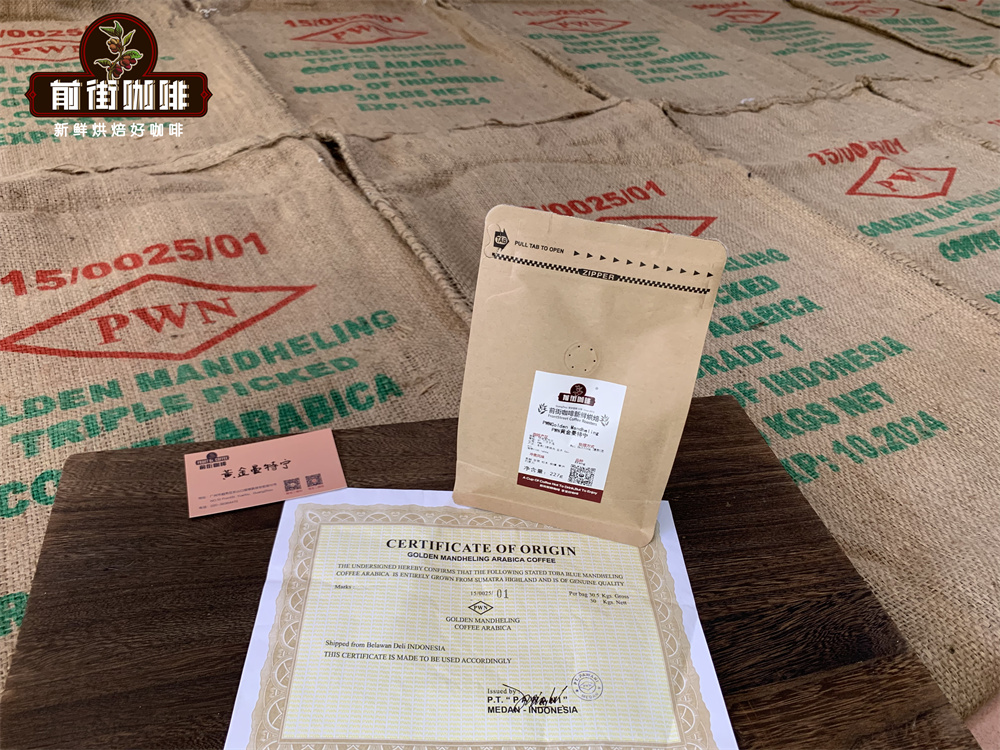
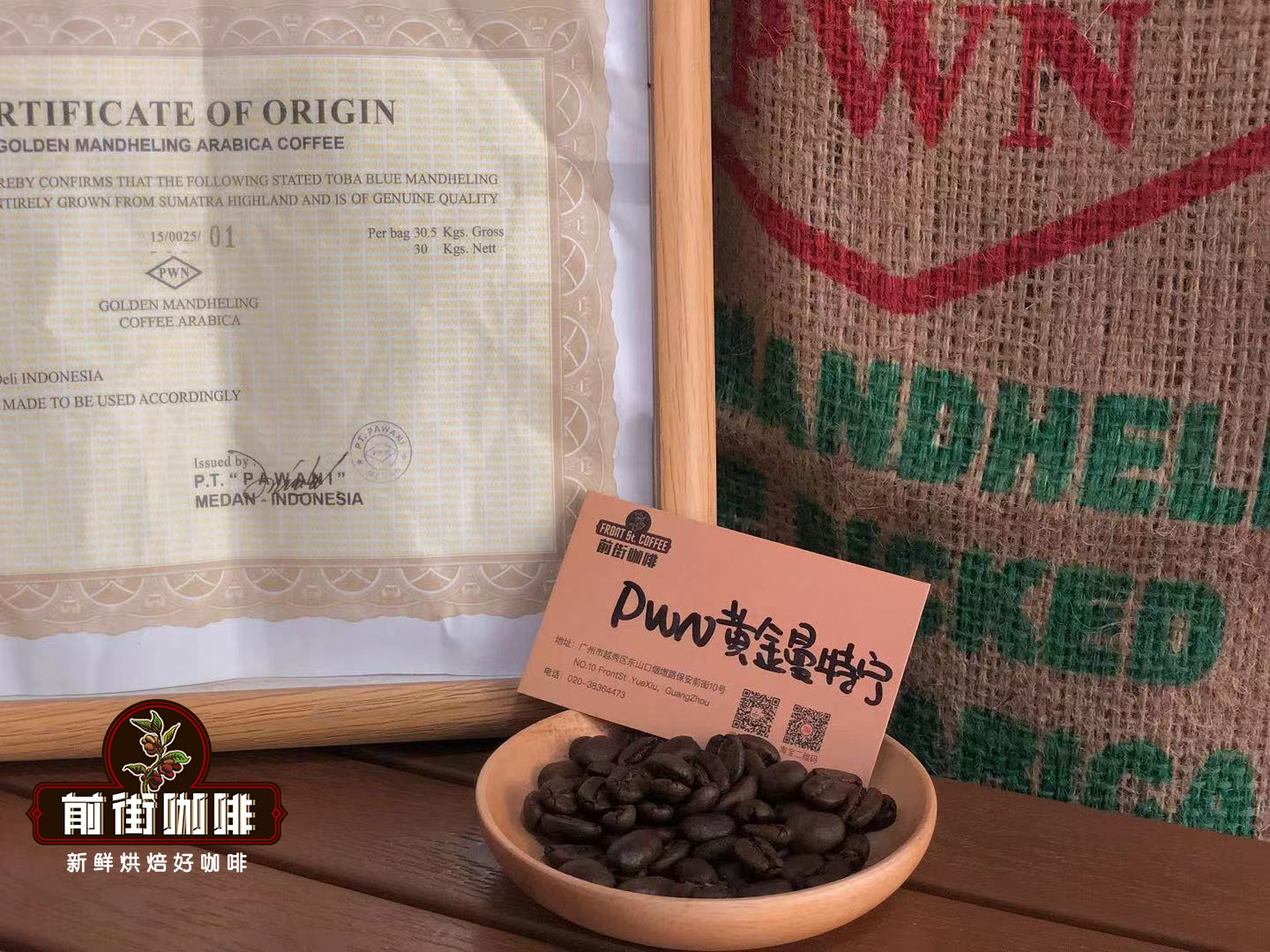
According to records in "The Professional Coffeeology" by Taiwanese coffee expert Han Huaizong, during World War II, a Japanese soldier tasted a coffee with a rich, full-bodied flavor in Indonesia and asked the shopkeeper the name of the coffee. The shopkeeper mistakenly thought the man was asking where he was from, so he answered: "Mandheling." After the war, the Japanese soldier wanted to taste that coffee again and asked a friend to import 15 tons from Indonesia. It proved hugely popular, and the name "Mandheling" spread from then on. The local trader who helped source this batch of coffee at the time is the now-famous PWN company.
However, it should be noted that PWN has registered "Golden Mandheling" as an exclusive trademark, while Japanese merchants registered "Gold Top Mandheling." Although the names differ, the flavor differences between the two are not significant—the main distinction lies in branding and marketing strategy. Over the years, many coffee professionals have chosen PWN's Golden Mandheling, believing it performs excellently in quality consistency. As for which is better, it depends more on personal taste preference.
When selecting Mandheling, grade is an important reference indicator. Taking the common Golden Mandheling as an example, its green beans typically use large beans of screen size 18 or above, with fewer than 3 defective beans per 300-gram sample, belonging to the highest grade, G1. Strictly screened beans not only have higher cleanliness but also reduce the earthy or off-flavors commonly found in ordinary Mandheling, with more pronounced sweetness.
Indonesian Mandheling mainly comes from the GAYO mountain area of Aceh Province on the island of Sumatra, grown at elevations generally between 1,100 and 1,600 meters, with Ateng as the commonly used variety. In terms of processing, the locally unique wet-hulling method is generally adopted, which is the key factor influencing Mandheling's distinctive flavor.
The birth of the wet-hulling method is closely related to Sumatra's climatic conditions. The local rainy season is long and typhoons are frequent, making it difficult to guarantee the consecutive sunny days required for natural sun-drying, while the traditional washed method demands higher equipment and capital investment. Therefore, this unique semi-washed processing method developed locally. Even though economic conditions have improved today, the wet-hulling method is still used—and has even become one of the important hallmarks of Mandheling's flavor.
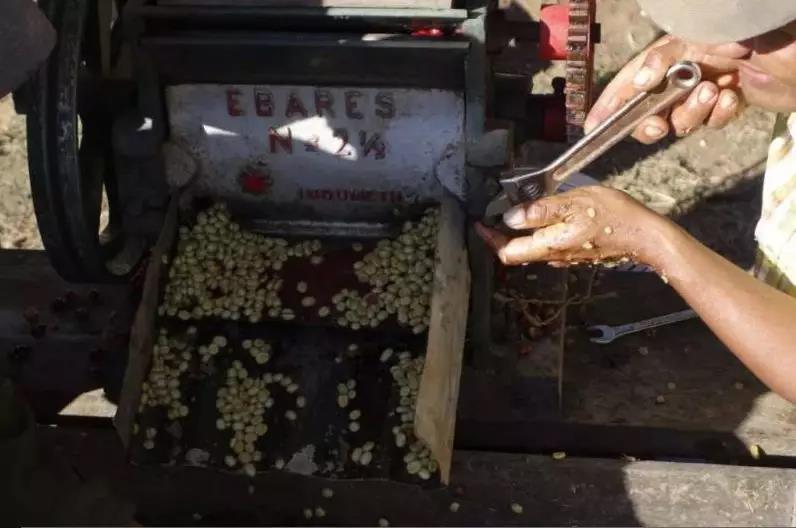
The wet-hulling method is specifically divided into two stages: first, the harvested coffee cherries are pulped to remove the skin and fruit, then fermented for about 3 hours, followed by preliminary drying to bring the moisture content down to 30%–50%. Next comes the second stage: after removing the mucilage and parchment layer, drying continues to a final moisture content of about 12%–13%, a process that usually takes 2 to 4 days. This processing method allows the coffee beans to retain richer nutty and spicy notes while reducing excessive acidity, forming Mandheling's characteristic full-bodied, low-acid style.
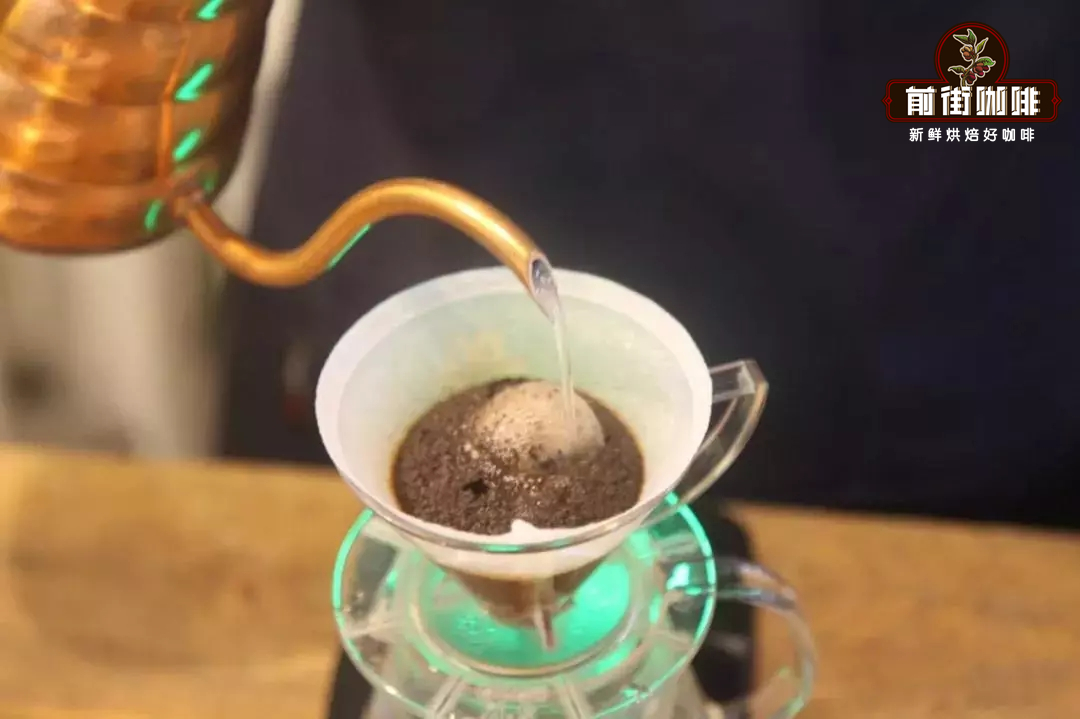
So how should you brew Mandheling to best present its flavor characteristics? Since Mandheling is usually medium-dark roasted, it's recommended to choose a dripper that can enhance body and sweetness, such as the KONO dripper. However, note that the KONO dripper has a slower flow rate; if the water temperature is too high, it can easily lead to over-extraction and bitterness, so a brewing temperature of 88°C is recommended.
The specific pour-over parameters are suggested as follows: use 15 grams of ground coffee, with a coffee-to-water ratio of 1:15, and a grind size roughly equivalent to EK43 grinder setting #11, i.e., 70% of the particles passing through a No. 20 sieve (0.85mm). The brewing process is divided into three pours: first pour 30 ml of hot water for a 30-second bloom, then pour the second stage up to 125 ml, and when the water level drops noticeably, pour the third stage up to 225 ml. After all the coffee has dripped through, remove the dripper. The total extraction time is recommended to be controlled at around 2 minutes.
Overall, Mandheling's popularity lies not only in its unique regional flavor but is also inseparable from the history and processing methods behind it. By understanding the origin of its name, its producing environment, processing method, and suitable brewing approach, you can not only select beans more accurately but also easily recreate at home a cup of pour-over Mandheling with rich nutty notes and a low-acid balance.