Ethiopian Sidamo G1 Coffee: Flavor Analysis from Hualu to Geisha
Introduction:An in-depth analysis of the flavor characteristics of specialty G1 coffee beans from Ethiopia's Sidamo region, clarifying the varietal misunderstanding between Hualu and Geisha. Through the origin story of the 2017 TOH champion bean, comparing the flavor evolution of the Hualu series across different years, and providing 5 professional pour-over recipes and parameter recommendations to help you precisely present the coffee's berry aroma and full-bodied mouthfeel.
A typical misunderstanding once circulated in China's coffee community: a livestreamer conflated Hualu coffee beans' origin of Hambella with Geisha, even erroneously concluding that "Hualu = Geisha = Gesha." In fact, Hualu originates from the Guji region of Ethiopia's Sidamo province, while the Geisha variety was first discovered in the Kaffa forest. Although both belong to Ethiopia's native heirloom varieties, their growing regions and flavor profiles are completely different.
When it comes to Geisha coffee, the most familiar in today's market is the auction-grade Geisha from Panama's Hacienda La Esmeralda. This variety was exported from Ethiopia to Kenya in 1932, passed through Uganda and Tanzania, and was labeled T2722 at Costa Rica's CATIE research institute in 1953. It was not until the 1970s that Don Pachi Serracin introduced it to Panama, but due to its low yield it was long used as a windbreak tree. The turning point came in 2004, when Hacienda La Esmeralda's Geisha won the BOP competition with its distinctive floral aroma and citrus notes, elevating it to the ranks of top-tier coffee.
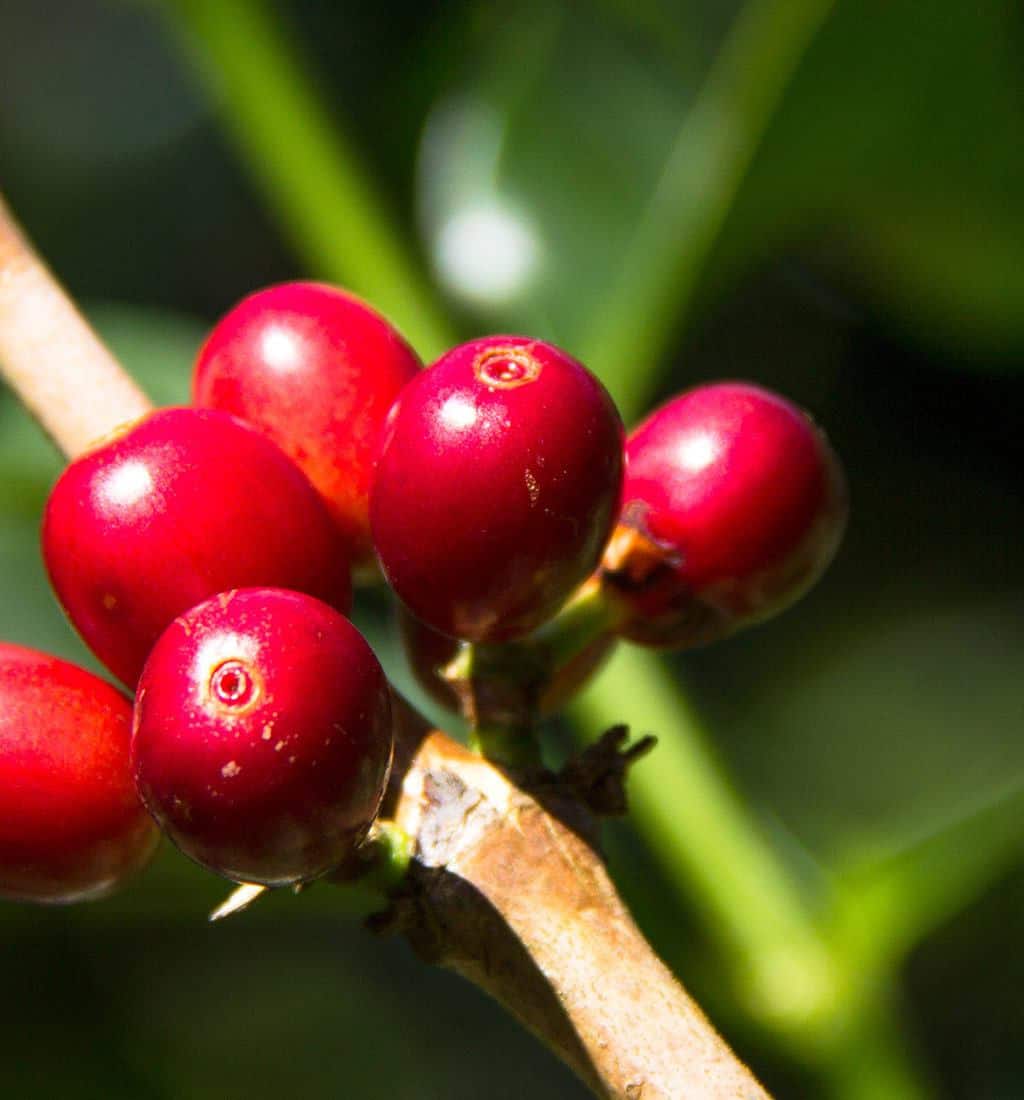
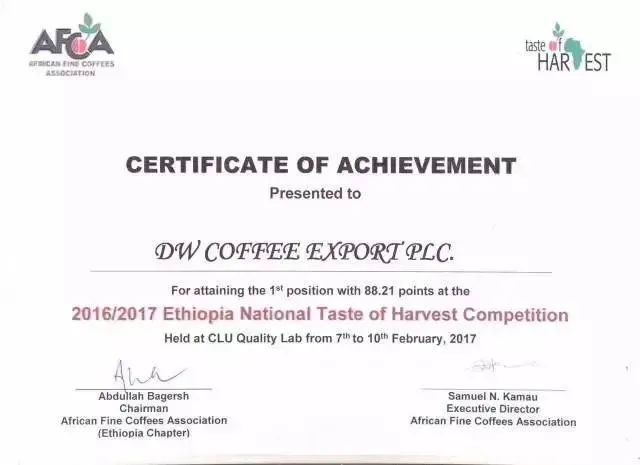
Sidamo's Hualu coffee has a different legendary story. The 2017 TOH (Taste of Harvest) natural group champion came from the Buku Abel processing station in the Hambella producing area. This Ethiopian heirloom natural bean won with its rich strawberry-cream aroma, and the name "Hualu" means "chief of a hundred flowers." Notably, most Sidamo coffee uses the natural processing method, which preserves more fruit-pulp sugars and creates the signature full sweetness and rich mouthfeel.
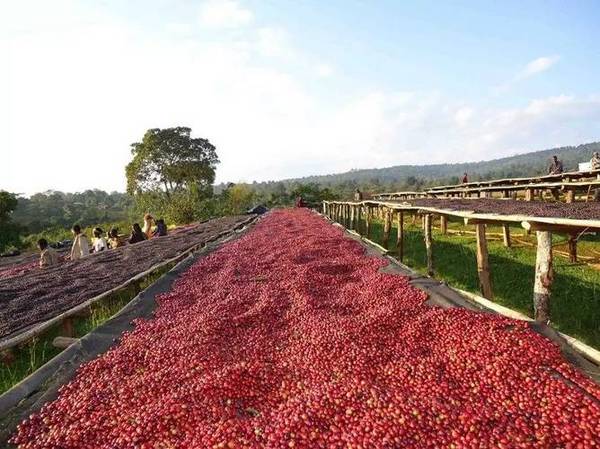
After the winning lot that year was introduced by a Beijing green-bean trader, its distinctive berry acidity defeated several Geisha coffees at a China regional coffee brewing competition, drawing industry attention. The DW company subsequently expanded several processing stations in Dimtu, the core area of Hambella, including Buku Abel and Buku Saysay, with total annual output of about 1,100 tons. Strictly speaking, however, only beans from a specific micro-plot of the Buku Abel processing station share the same terroir characteristics as the 2017 champion.
To sustain market momentum, the producer later launched the Hualu 2.0 to 5.0 series, all named by year. However, as processing scale expanded, differences from the 2017 champion gradually emerged in later lots—the 2017 Hualu was known for its soft berry acidity and creamy texture, while recent versions highlight brighter citrus notes. Some roasters found that the champion lot's special small-screen-size variety was still retained in 2018-2019; these separately screened small-bean Hualu (not the X.0 series) were actually closer to the original flavor.
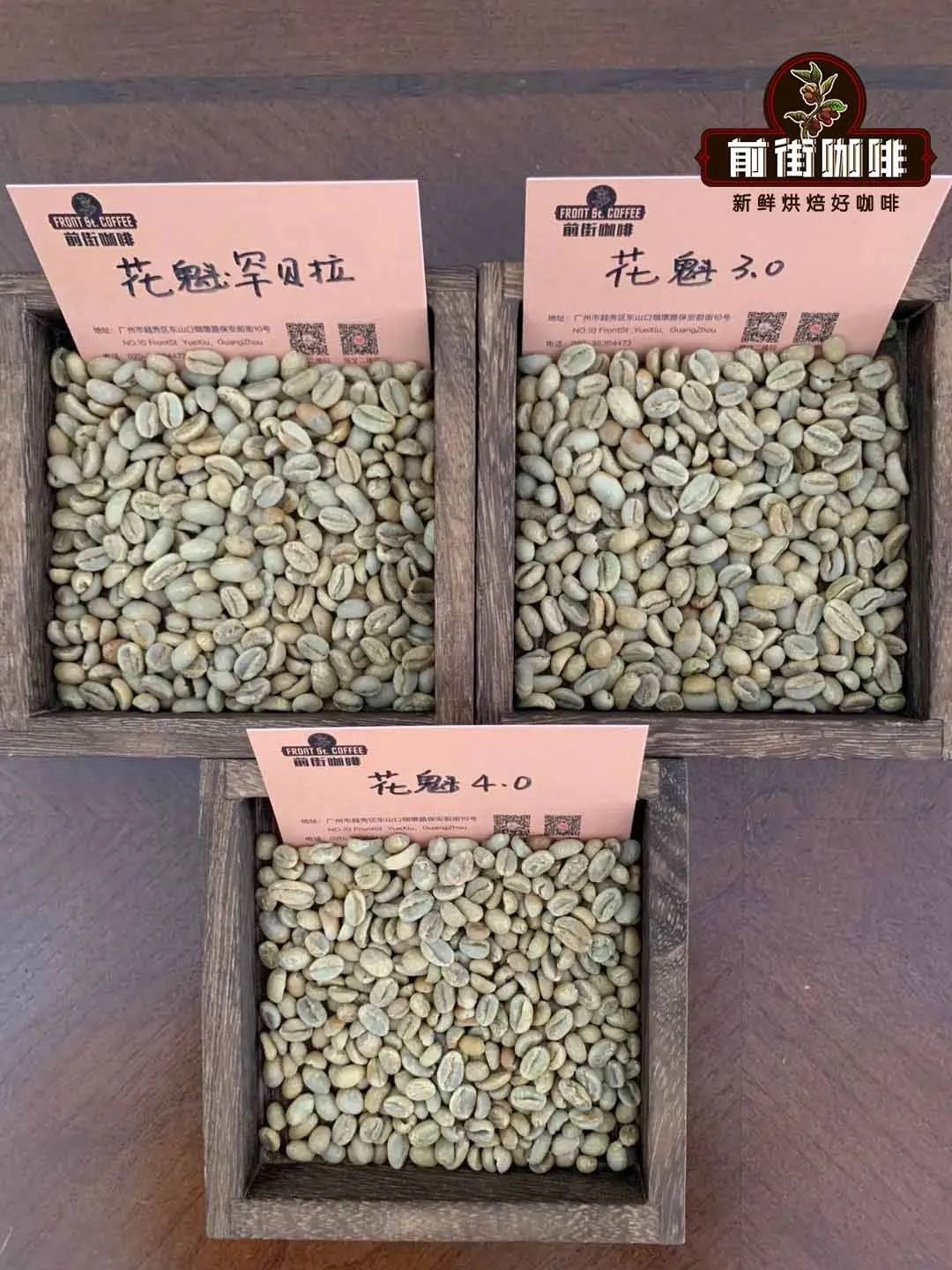
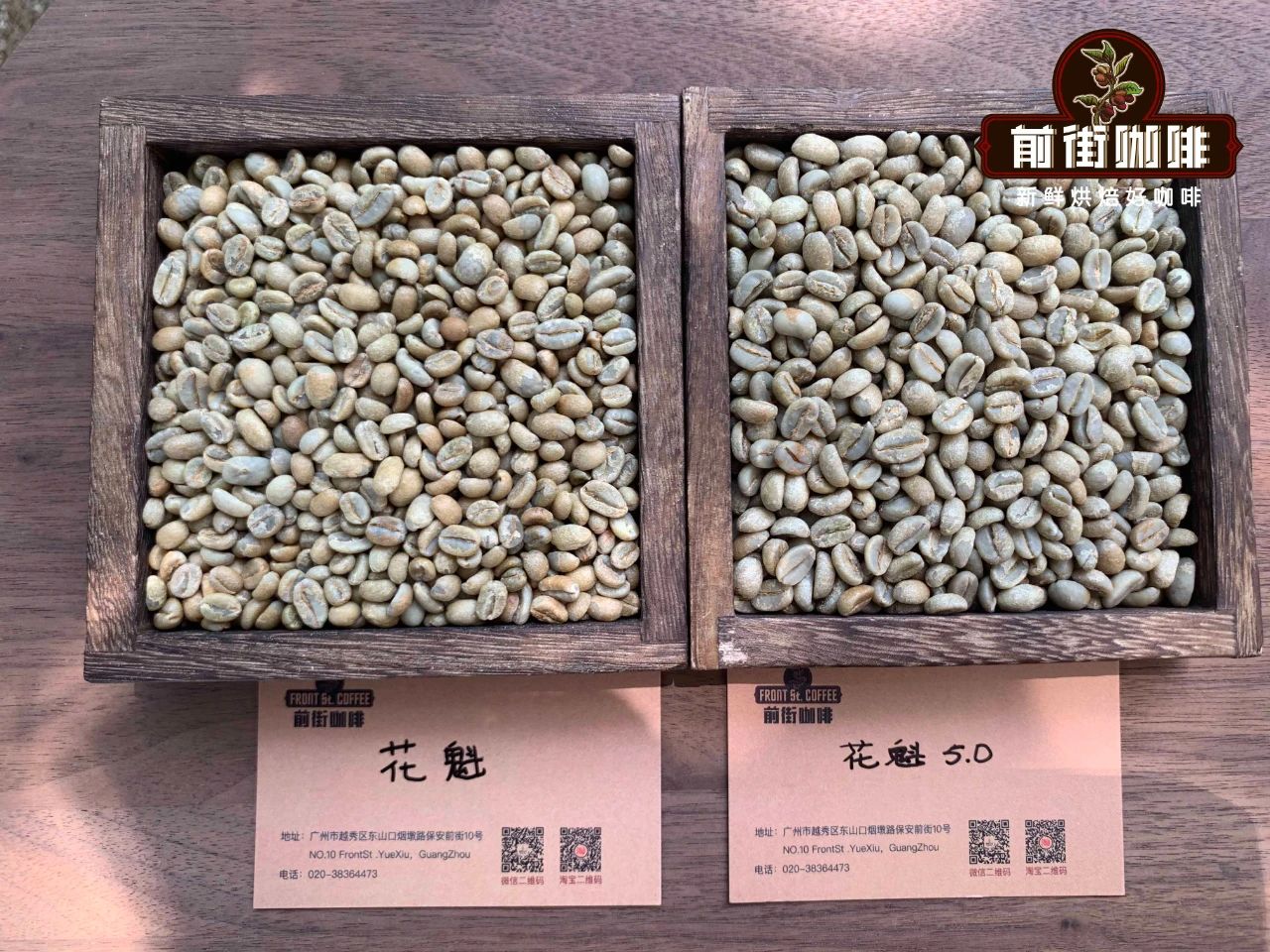
Physical comparison shows clear differences between the 2021 crop's small-bean Hualu and Hualu 5.0: the small-bean Hualu has smaller bean size, with about 30% more fine particles. Cupping data shows the small-bean version presents a more intense strawberry burst and blueberry sweetness with rounded acidity, while Hualu 5.0 shows typical Guji region characteristics—lively red-berry acidity, jasmine aroma, and a juicy body.
For pour-over recipes for the Hualu series, it is recommended to adjust parameters according to each year's characteristics:
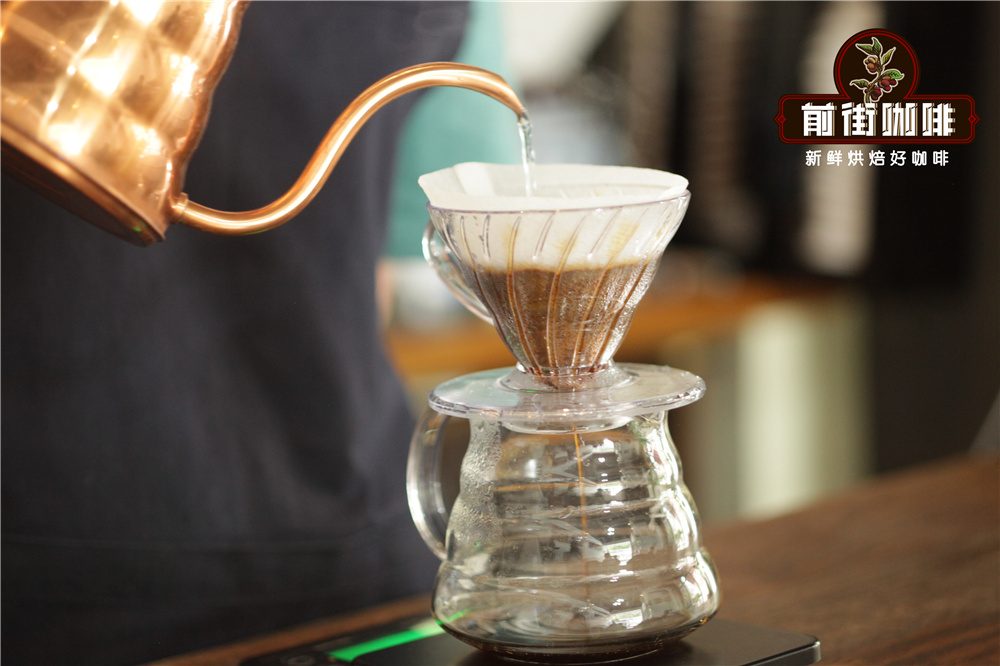
• V60 drip: Use medium-fine grind (80% passing a No. 20 sieve), 15 g coffee to 225 ml water, 93°C. Three-pour method (30 ml bloom → 125 ml → 225 ml), total time 2 minutes, to highlight the juicy feel and passion-fruit sweetness and acidity.
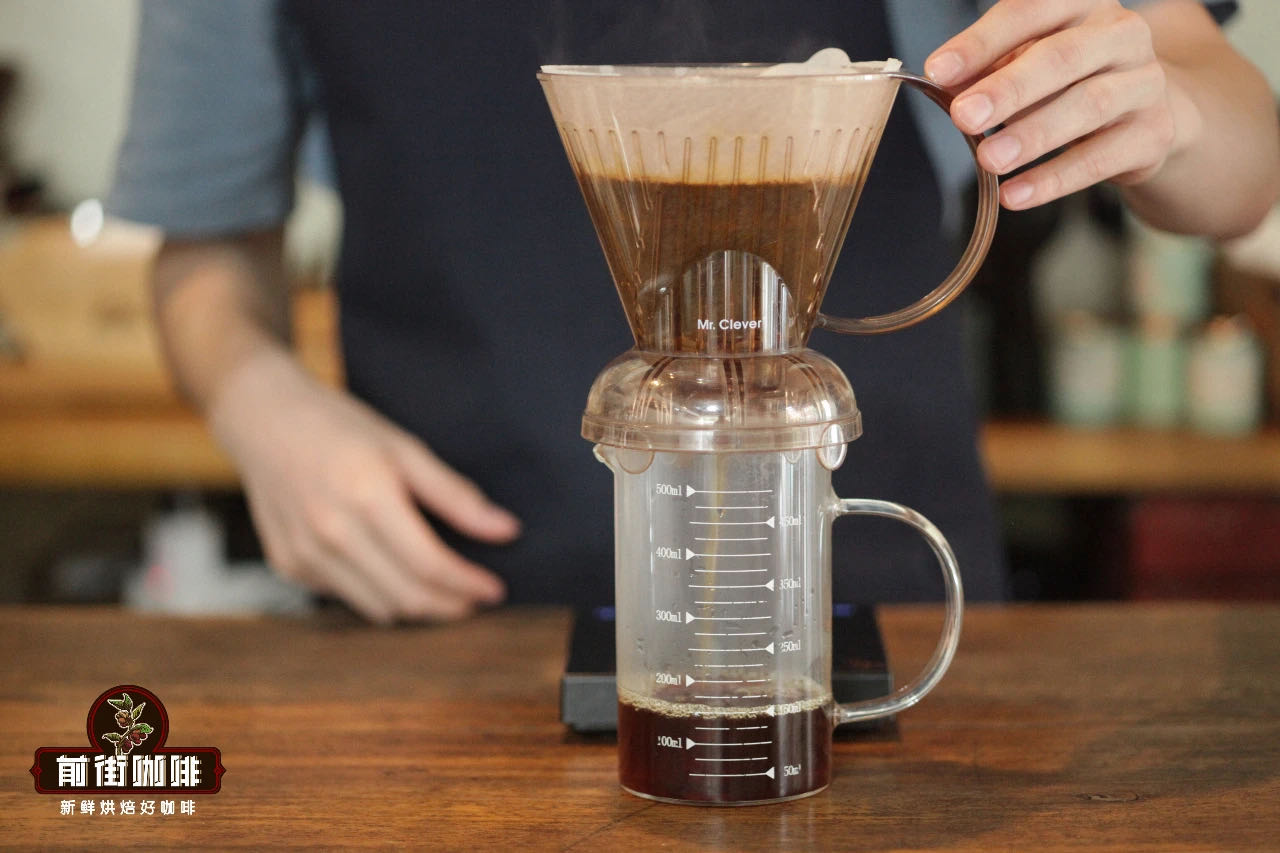
• Clever Cup: Medium grind (75% passing), 90°C water, steep for 1'50", center-pour method enhances the creamy texture and black-tea finish.
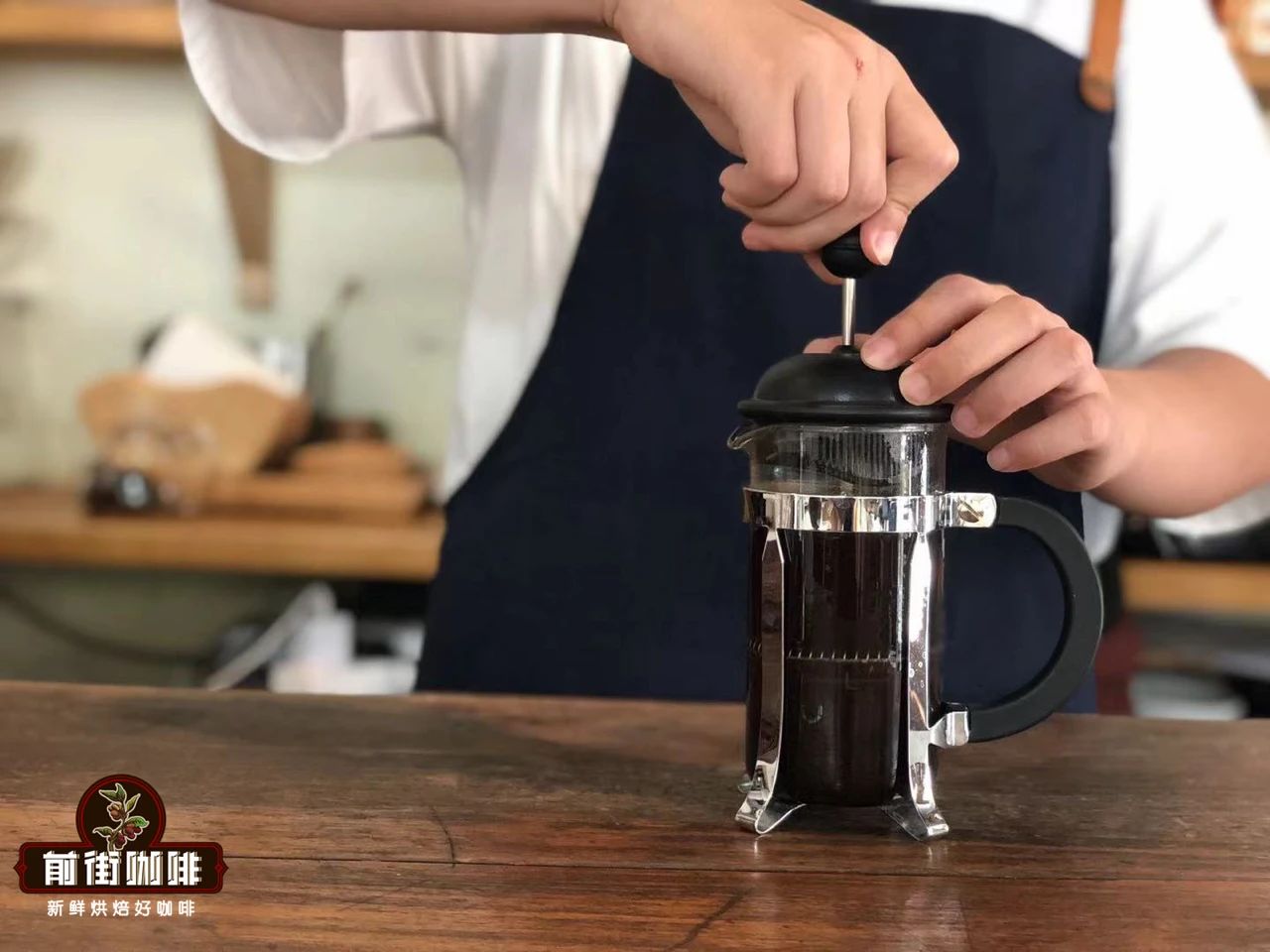
• French press: Medium-coarse grind (70% passing), steep in 92°C water for 4 minutes; the metal filter retains more oils, suited to presenting a full, complex berry flavor.
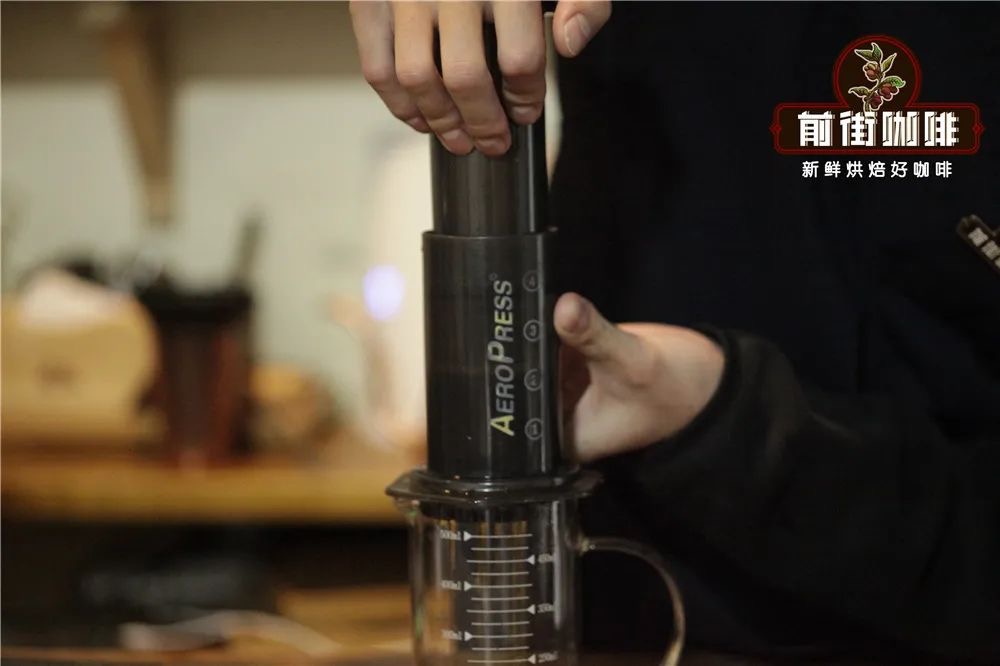
• AeroPress: Fine grind (90% passing), 90°C water with pressure extraction, to strengthen clean acidity and black-tea notes.
• Cold-water extraction: Medium-fine grind (85% passing), 30 g coffee + 450 ml room-temperature/ice water, refrigerate for 12 hours; low-temperature slow extraction reduces astringency and amplifies fermented fruit aromas.