Guatemalan Coffee: French Press vs Cold Brew Flavor Comparison
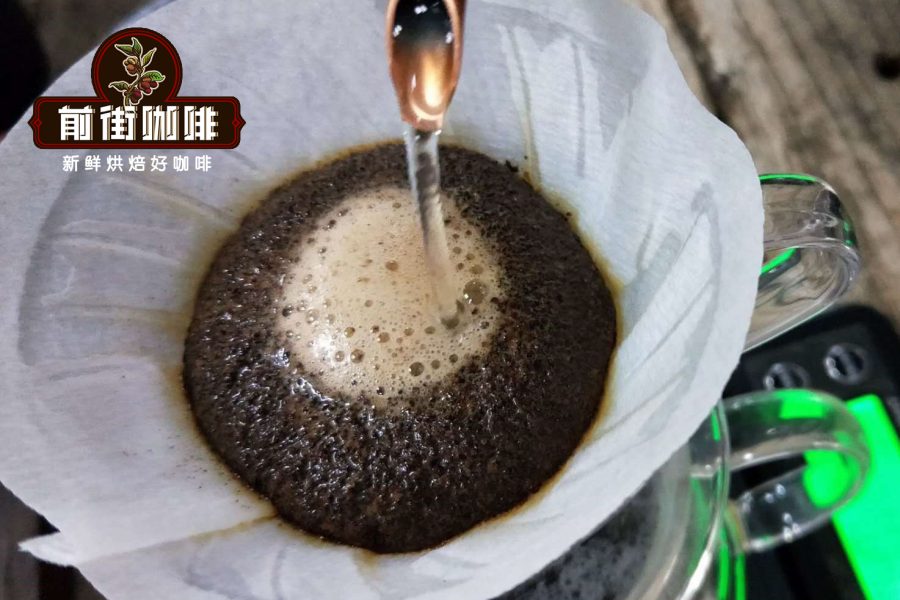
Introduction: Guatemalan coffee is known for its bright acidity and rich sweetness, but how can brewing methods bring out its best flavors? This article focuses on two common methods, the French press and cold brew, and analyzes their effects on Guatemalan coffee's flavor. From extraction principles to practical parameters, it helps you find the brewing approach that best suits your personal taste, with key details to avoid common mistakes.
As one of the world's top ten coffee-producing regions, Guatemala is known for its beans' unique balance—bright citrus-like acidity combined with a caramel-like, full-bodied sweetness. Yet the same beans show notable flavor differences when brewed with a French press versus cold brew, which is closely related to extraction time, water temperature, and grind size.
French Press: A Golden Choice for Full-Bodied Sweetness
For drinkers who prefer a full mouthfeel, the French press is the first choice. A medium-coarse grind (similar to sea salt granules) is recommended, with a water-to-coffee ratio of 1:15, water temperature of 92-94°C, and a 4-minute steep. A thicker filter screen reduces the amount of fine particles entering the cup and avoids excessive astringency. 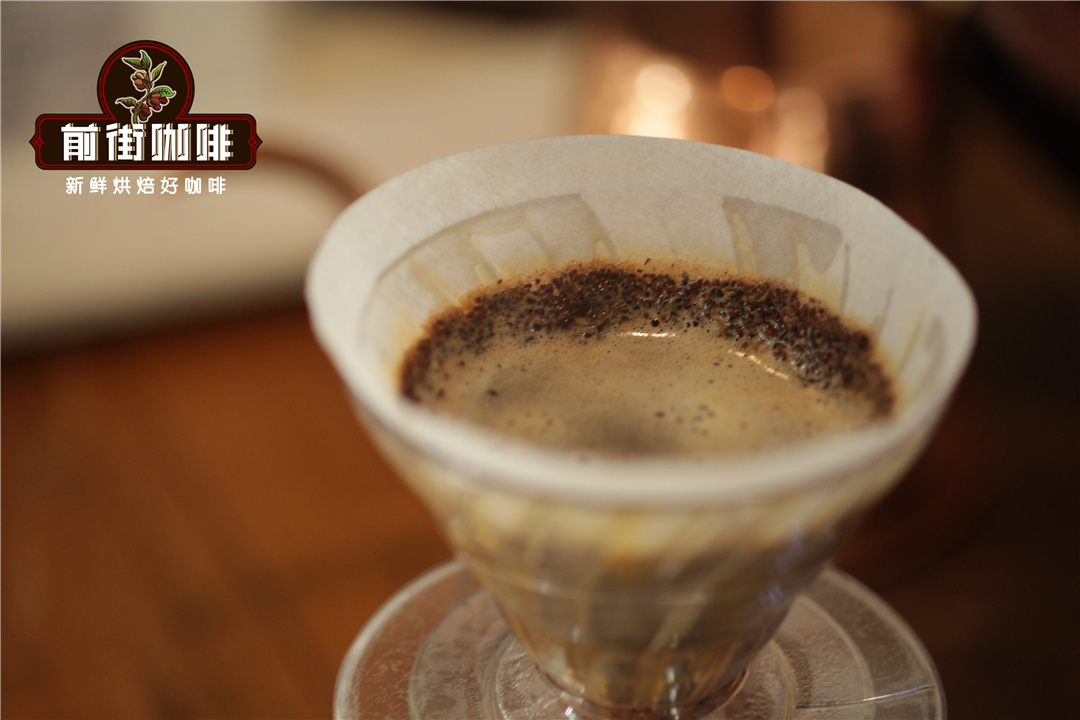 Note that steeping longer than 5 minutes leads to over-extraction and produces woody bitterness. This brewing method fully releases the chocolate finish and nutty base of Guatemalan coffee, making it especially suitable for sun-dried beans from the Antigua region.
Cold Brew: Gentle Extraction Highlights Pure Flavor
Cold brew requires an extra-fine grind (close to the texture of flour), but the coffee-to-water ratio should be controlled at 1:8 to 1:10, with a cold-water steep of 12-16 hours. The low-temperature environment slows extraction, making Guatemalan coffee's medium acidity (such as citrus and berry notes) appear fresher while retaining a brown-sugar-like sweetness. It is recommended to pre-soak with cold water for 1 hour, then add cold water to the full amount, which can reduce uneven extraction. This slow extraction highlights the unique minerality given by Guatemala's volcanic soil and is especially good with desserts such as sea-salt caramel.
Flavor Comparison and Selection Advice
The advantage of the French press is that it extracts high concentrations of soluble substances within 3-5 minutes, bringing a rich body and brown-sugar flavors; cold brew, through long, gentle extraction (12+ hours), emphasizes a clean, refreshing balance of acidity and sweetness. If you seek "layered impact when drunk hot," choose the French press first; if you prefer "soft smoothness when drunk iced," cold brew wins. Avoid brewing cold-brew coffee grounds with boiling water; high temperatures cause over-extraction and destroy flavor molecules.
Guatemalan coffee is generally grown at altitudes of 1500-2000 meters, and the hard bean density brought by high altitude is itself suited to deep extraction. Whether using a French press or cold brew, the key is to adjust parameters according to the bean's characteristics—for example, beans from the Huehuetenango region are better suited to a longer cold-brew time to bring out floral notes, while beans from the Santa Rosa region better highlight smoky finish in a French press.


