Kenya AA vs AA+: SL28 Variety Flavor Differences Explained

Introduction: Kenyan coffee is known for its bright fruit acidity and full body, and AA and AA+ grade beans are often prized by experienced enthusiasts. This article explains Kenyan coffee grading standards, the characteristics of the SL28/SL34 varieties, and offers professional-level pour-over parameter suggestions to help you gain a deeper understanding of the flavor code of this classic African origin.
Although Kenya in eastern Africa borders Ethiopia, the birthplace of coffee, its coffee-growing history began in the late 19th century. In 1893, missionaries introduced coffee trees from Réunion Island. After nearly four decades of development, the Coffee Board was established in 1933 and an auction system was created. Today, Kenya has become an important player in the global specialty coffee market thanks to its high-altitude growing environment and unique processing methods.
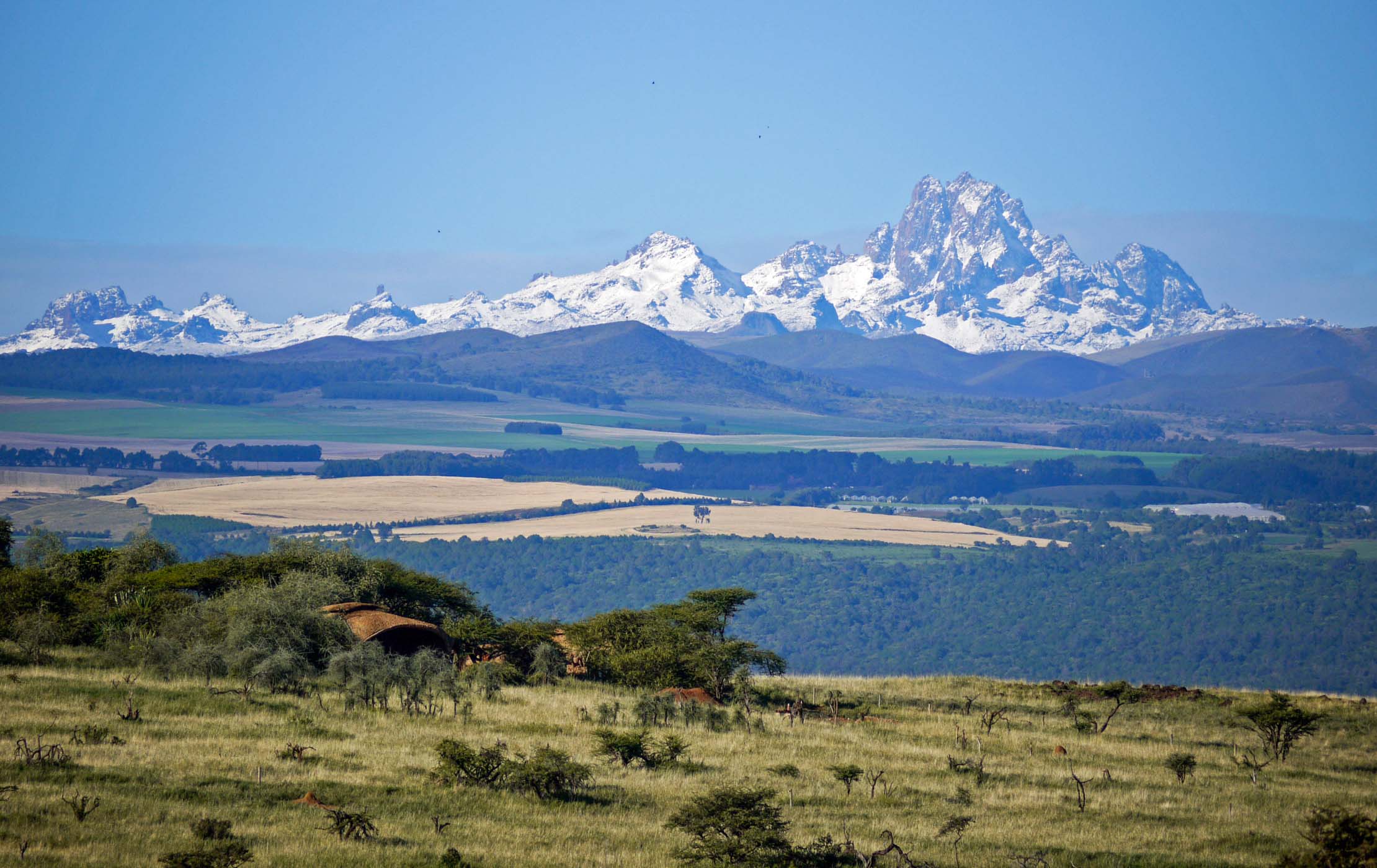
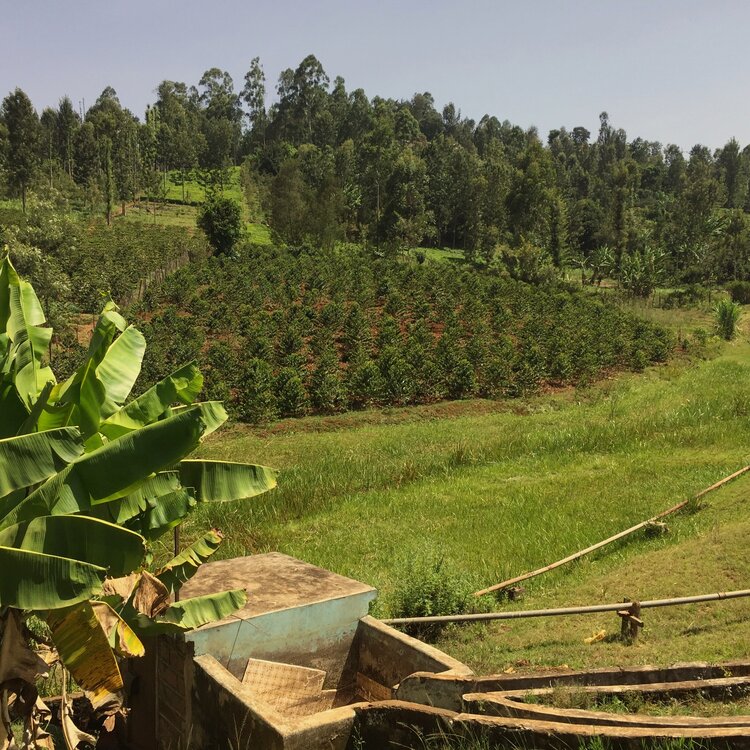
The country's main producing areas are concentrated in the central highlands, including six major regions such as Kiambu, Kirinyaga, and Nyeri. The main peak of the Kirinyaga mountain range rises to 5,199 meters, and the fertile volcanic soil is rich in minerals, providing ideal conditions for coffee growth. Typical producing areas generally sit at 1,500–2,000 meters, and this high-altitude environment creates the bright acidity and full-bodied structure of Kenyan coffee.

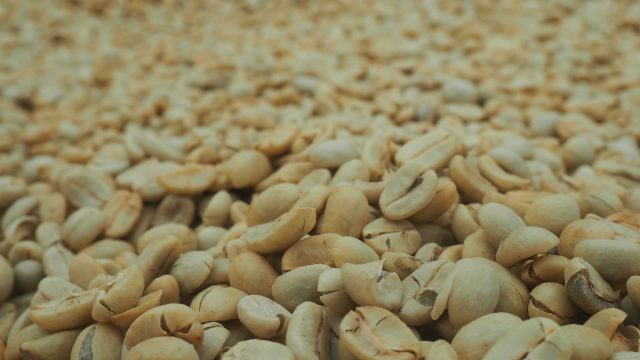
Kenyan coffee grading uses strict physical screening standards: AA grade (17–18 screen) and A grade (15–16 screen) represent large, high-quality beans, and AA grade usually has more concentrated flavor expression. Special classifications such as TOP and PLUS are commercial gradings, not official standards, but are often used to identify preferred beans within a lot. It is worth noting that PB peaberry (a single bean) is an independent classification, and its flavor has no necessary connection with regular beans.
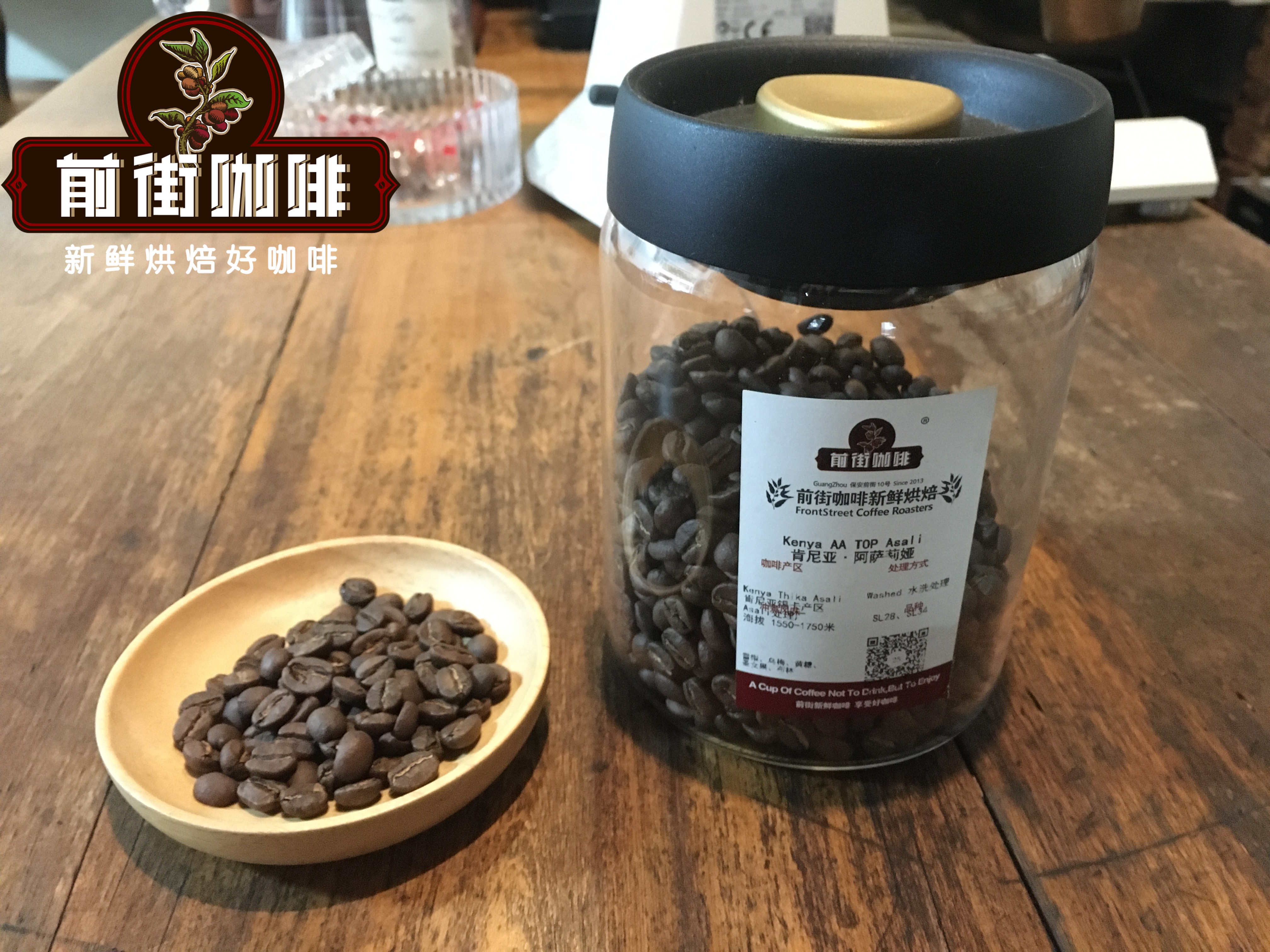
Three core factors give Kenyan coffee its prominent acidity: first, volcanic soil rich in phosphates; second, the SL28 and SL34 varieties, known as a "Bourbon gene treasure trove." Experimental data show that the SL28 variety performs best in acidic soil at pH 5.2–5.4, while SL34 adapts more strongly to high-rainfall environments. Third is the signature K72 washed process—through three 24-hour fermentation cycles (72 hours in total), combined with repeated washing with mountain spring water, it both preserves fruit acidity and improves cleanliness.
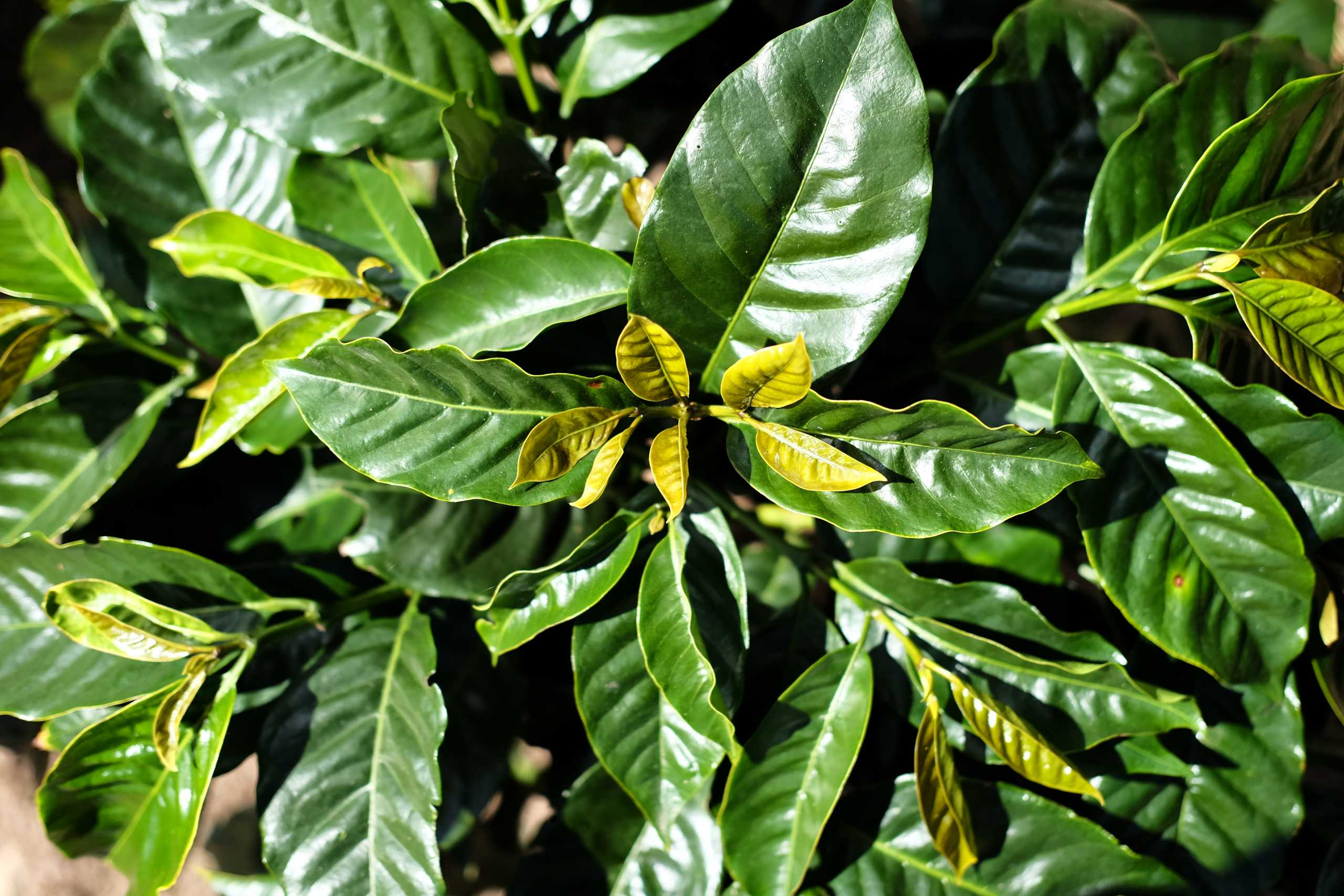
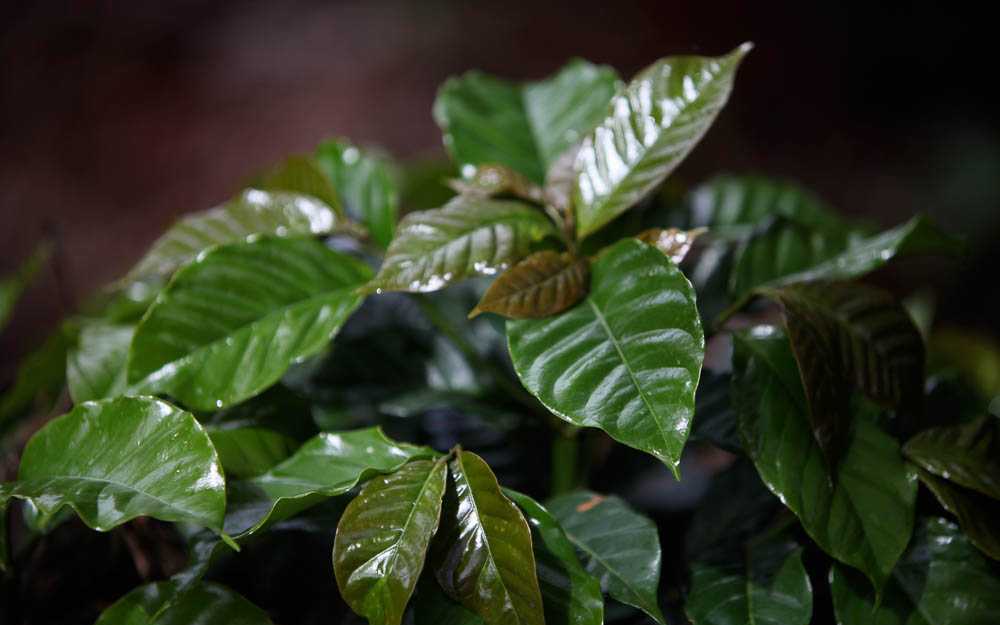
The SL28 variety was developed by the Scott Agricultural Laboratories and has excellent drought resistance; its flavor profile shows distinct citrus notes accompanied by complex fruit aromas of smoked plum and blueberry. By comparison, SL34 develops richer blackberry acidity and a caramel finish under good rainfall conditions. The average cupping score of these two varieties often exceeds 85 points, an important guarantee of Kenyan coffee quality.
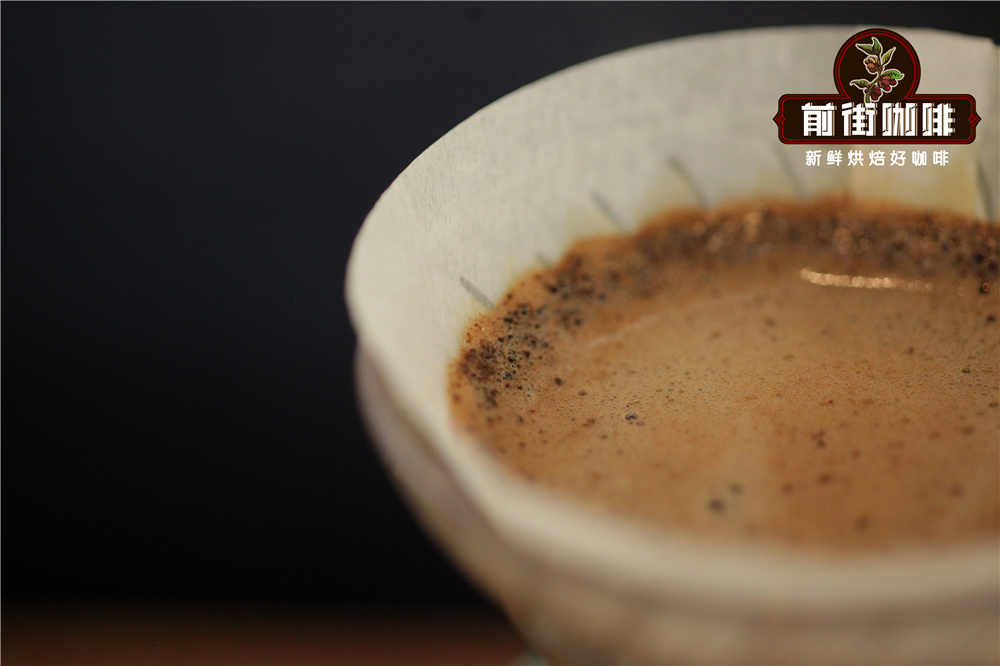
For professional-level pour-over, a medium-light roast is recommended, with these parameters: grind size with 80% passing a No. 20 sieve (similar to fine granulated sugar), a 1:15 coffee-to-water ratio, and water temperature controlled at 93±1°C. Specific procedure: first pour 30 ml of hot water and bloom for 30 seconds, then pour in stages to a total of 225 ml. The key technique is that the second pour needs controlled flow rate; when the water level drops to the surface of the coffee bed, continue pouring. Total extraction time is about 2 minutes. These parameters effectively highlight the signature berry acidity and juicy sweetness of Kenyan coffee.

Common consumer misconceptions include over-pursuing the TOP grading (in fact, AA grade already has excellent quality) or mistakenly believing that PB peaberry necessarily has better flavor. Beginners are advised to start with AA-grade K72 processed beans; paired with a V60 dripper, they better display their bright acidity layers. When brewing, pay attention to water hardness; the ideal TDS value should be between 150–200 ppm to avoid affecting the balance of sweetness and acidity.