Guatemala San Marcos and Antigua Volcano Coffee: Flavor and Brewing Guide
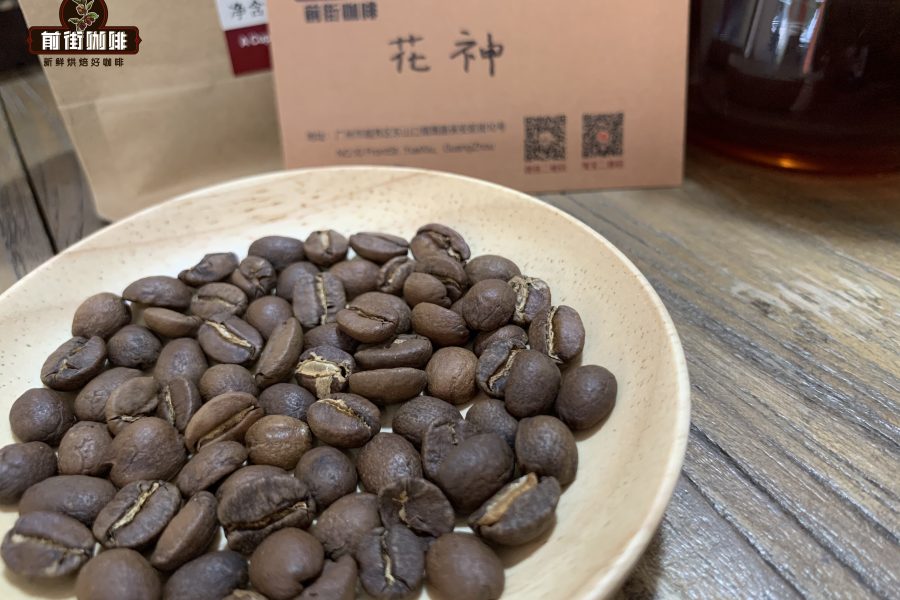
Introduction: Guatemala's unique volcanic soil and subtropical climate give rise to distinctive specialty coffees. This article takes an in-depth look at the core flavor characteristics of beans from the two major regions of San Marcos and Antigua, comparing their differentiated expressions of Middle Eastern tonality, nutty florals and fresh fruit acidity, and offers pour-over parameter suggestions and flavor-capturing tips to help you precisely choose a volcanic coffee suited to your personal taste.
With its mild subtropical climate and mineral-rich volcanic soil, Guatemala has become an important specialty coffee region worldwide. The well-draining growing environment formed by volcanic ash deposits gives local coffee beans a full body and a richly layered aroma structure, and the volcanic coffees of the two major regions of San Marcos and Antigua are typical representatives.
Guatemala San Marcos coffee: Grown in the San Marcos area surrounded by two active volcanoes, fertile volcanic soil and a stable microclimate together create this high-quality coffee bean with a medium-dark roast style. Its flavor shows a clear Middle Eastern tonality—dominated by a full-bodied nutty base, accompanied by faint floral notes, with a soft caramel sweetness emerging in the finish. Acidity is kept at a low level (pH about 5.2-5.4), and it is smooth as silk on the palate, making it especially suitable for consumers with sensitive stomachs who nonetheless prefer a rich mouthfeel. For pour-over, we recommend a water temperature of 92-94°C, a 1:15 coffee-to-water ratio, a medium-coarse grind (70% passing through China standard No. 20 sieve), and staged extraction to strengthen the balance of nuttiness and sweetness.
Guatemala Antigua coffee: Produced around the historic old city of Antigua, centered on high-quality Arabica beans from high-altitude growing areas (generally 1500-1800 meters). The highlight of this coffee is its bright citrus acidity—clear orange and lemon acidity can be caught on the first sip, then it transitions to a dense milk chocolate finish, with overall acidity lively but not sharp (pH about 5.5-5.7). Its body reaches a medium-high level (SCAA standard 70-75 points), and the aftertaste has a velvety, delicate touch. The small-batch roasting process (no more than 500 kg per batch) ensures each bean is heated evenly, and the practice of farmers marking the roast date directly on the packaging effectively guarantees the coffee's freshness window (optimal drinking period 14-21 days).
The difference between the two volcanic coffees essentially stems from subtle differences in microclimate and soil composition: the basalt soil of the San Marcos area is rich in iron, promoting the accumulation of more oils and sugars in the coffee beans; while the andesite soil around Antigua brings a higher potassium content, strengthening the brightness of the fruit acidity and the complexity of the aroma. For beginners just getting into specialty coffee, we suggest first trying the medium-light roast version of Antigua (development time about 1:15), using the citrus acidity to build flavor recognition; experienced enthusiasts can then take on the medium-dark roast of San Marcos (development time 1:30 or more) to feel the deep integration of nuttiness and caramel.


