Costa Rica Musician Series Coffee: Beethoven, Mozart & Bach Flavors and Pour-Over Guide
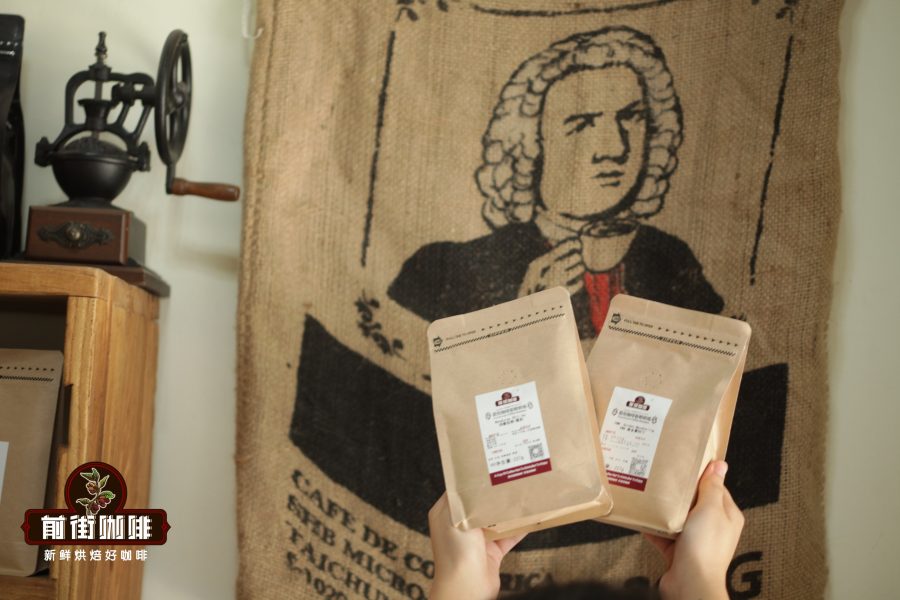
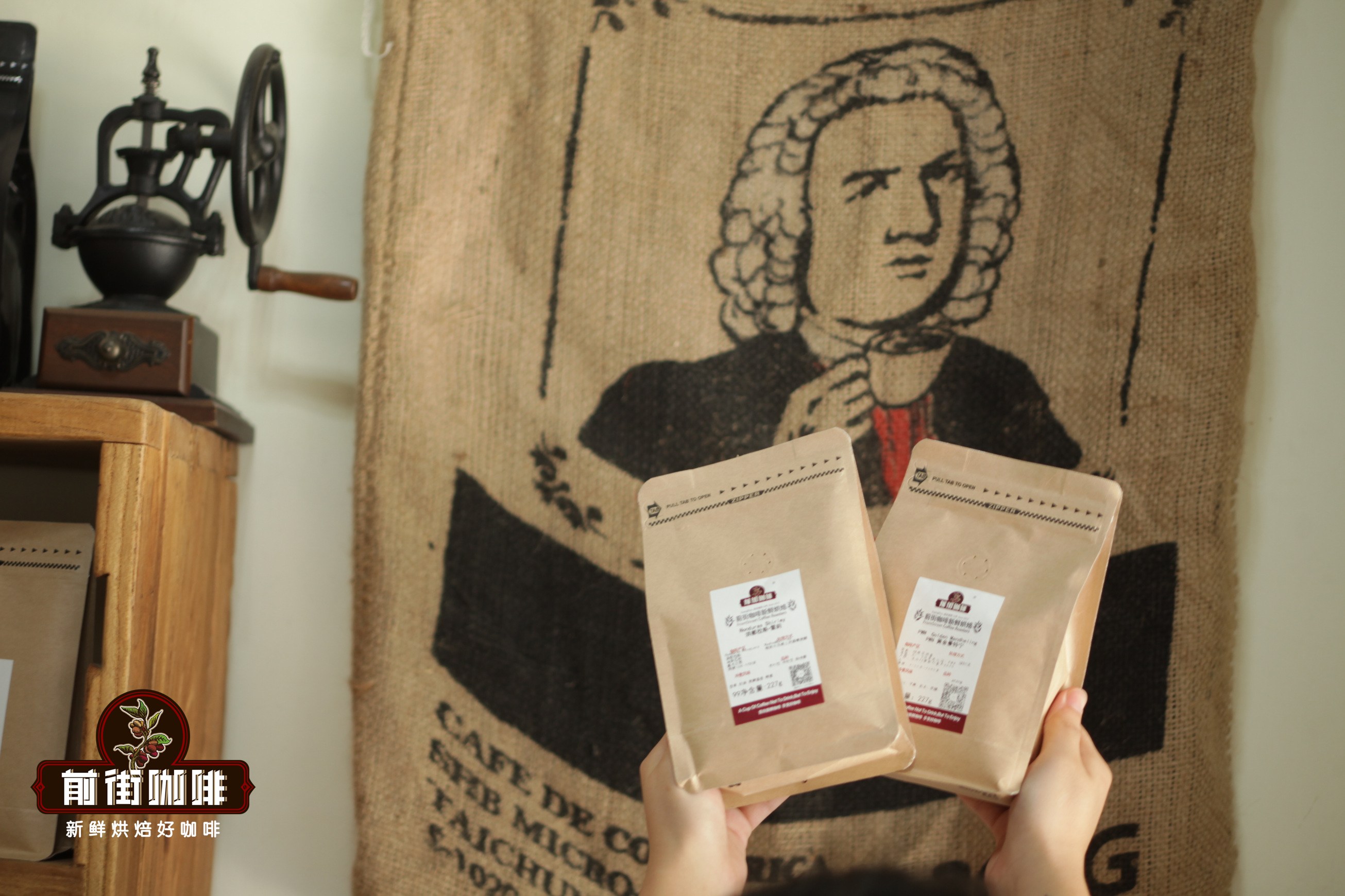
Introduction:Costa Rica is known worldwide for its honey-processed coffee, and its pronounced sweetness is much appreciated by coffee lovers. This article examines in depth the origins of the country's Musician Series coffees, revealing how Kenneth Estate in the Tarrazú region drew inspiration from Beethoven, Mozart and Bach, using washed and raisin honey processes to create distinctive flavors. It also offers professional pour-over parameter suggestions to help you present each bean's floral aromas, fermentation notes and rich finish precisely.
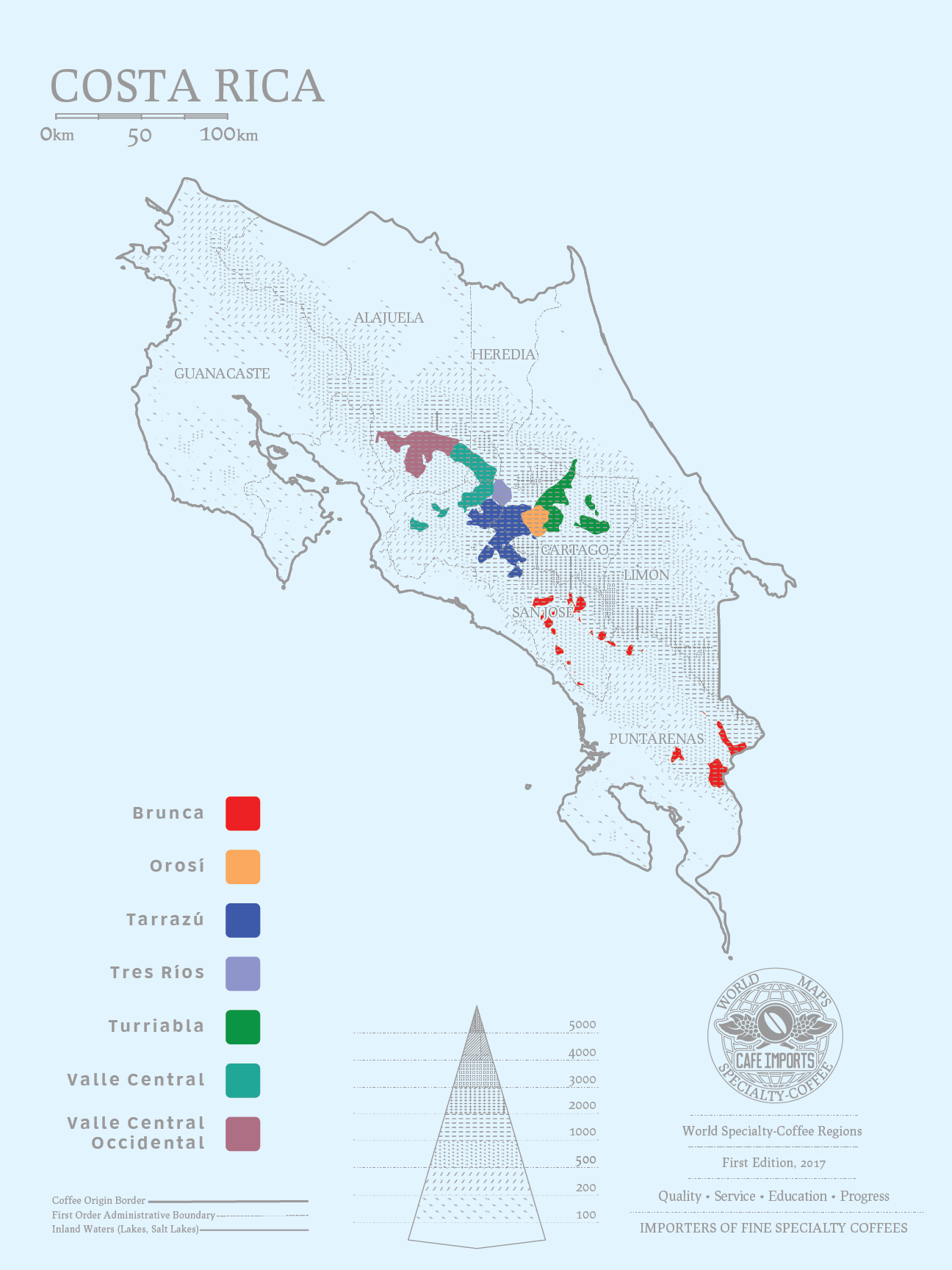
 Costa Rica has grown coffee in the Central Valley since the late 18th century, where fertile volcanic soils and high-altitude climate provide an ideal environment for Arabica. After the government introduced land incentive policies in the 19th century, the coffee industry rose rapidly, and by 1829 its export volume had surpassed that of traditional crops. The country's seven regions each have their own characteristics, and among them Tarrazú, with its consistent high quality, has become a core specialty coffee region.
 The crossover of music and coffee has written a unique chapter in Costa Rica. Kenneth Estate (about 5 hectares) in the town of San Marcos de Tarrazú launched specialty beans named after four classical music masters. These coffees not only carry artistic inspiration but also express distinct terroir character through differentiated processing methods.
 The estate's Musician Series includes four products, three of which specifically use raisin honey and washed processes. This innovative processing method requires strict selection of fully red cherries on the day of picking; while retaining 100% of the mucilage, the beans undergo 3 days of pre-drying on raised beds followed by a slow dehydration process.
 Precise control of the drying rate is key—the beans must be turned several times a day to ensure even dehydration while maintaining sufficient fermentation time, ultimately forming the signature intense sweet aroma and full-bodied, wine-like mouthfeel.
The washed Beethoven bean (Yellow Catuai variety / 1,900 m elevation) presents classic citrus notes: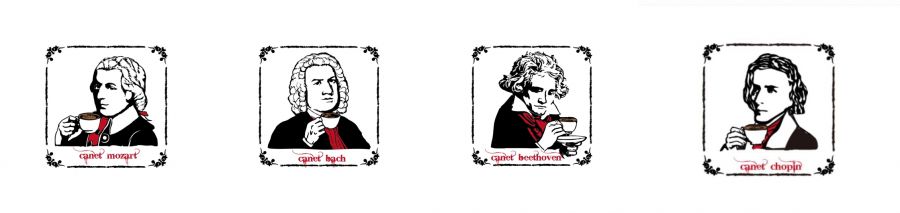 bright lemon and malic acidity paired with a honey-like finish. When extracting with a medium-fine grind (80% passing a No. 20 sieve) and 91°C water, a three-stage pouring method is recommended—first 30 ml for a 30-second bloom, then circular pouring to 125 ml in stages, and finally topping up to a total of 225 ml, with the whole extraction taking about 2 minutes.
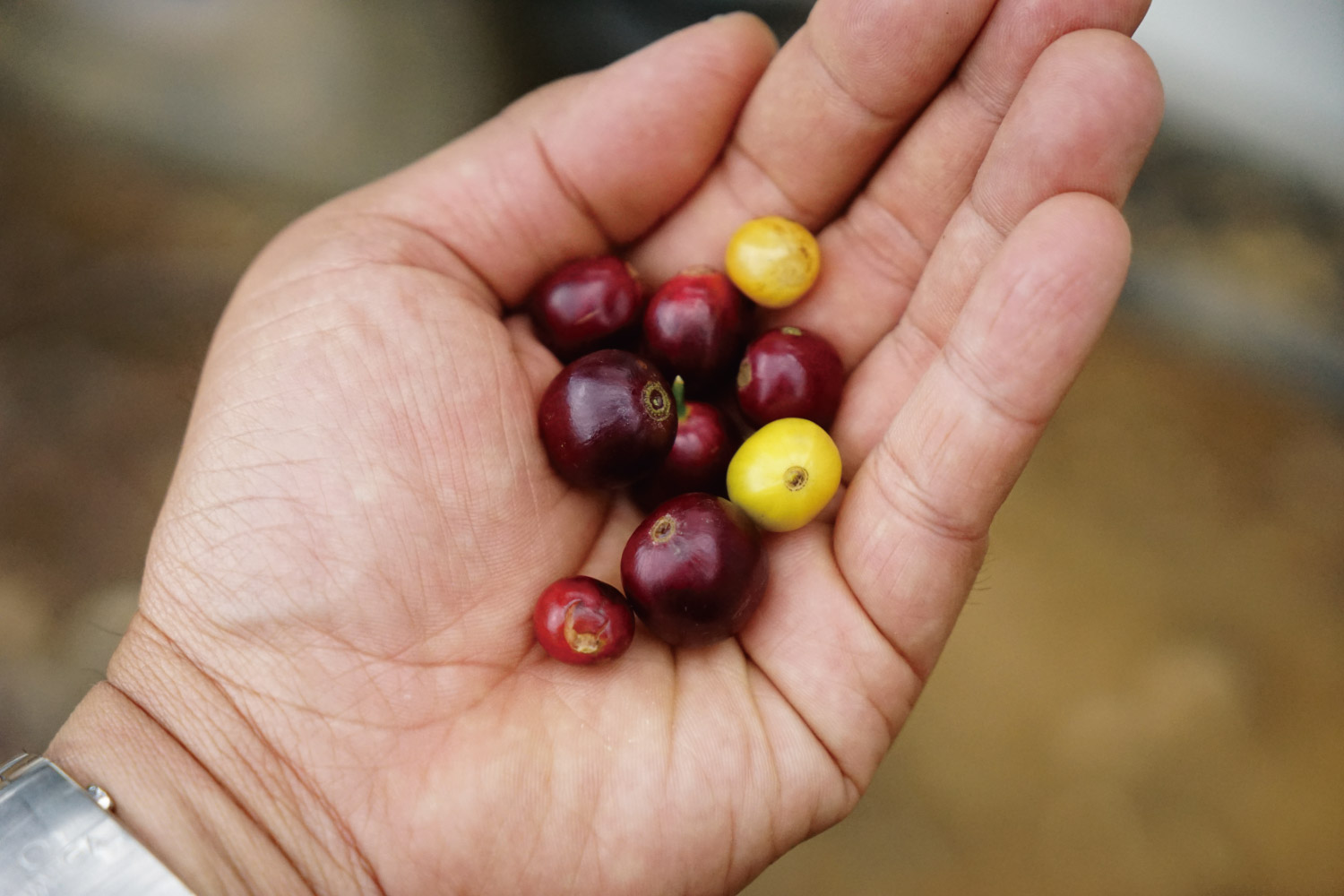 The raisin honey-processed Mozart and Bach beans (both at 1,980 m elevation) show a completely different, full-bodied style. Mozart uses a Caturra and Catuai blend, giving complex floral aromas and berry acidity, accompanied by fermented jam-like notes and obvious raisin sweetness; Bach, with the H1 variety, highlights an elegant white-wine-like acidity, and as it cools, delicate sugarcane sweetness and a black tea finish emerge. Both require the mucilage layer to be fully retained for slow drying, creating a full body and layers of tropical fruit flavor.
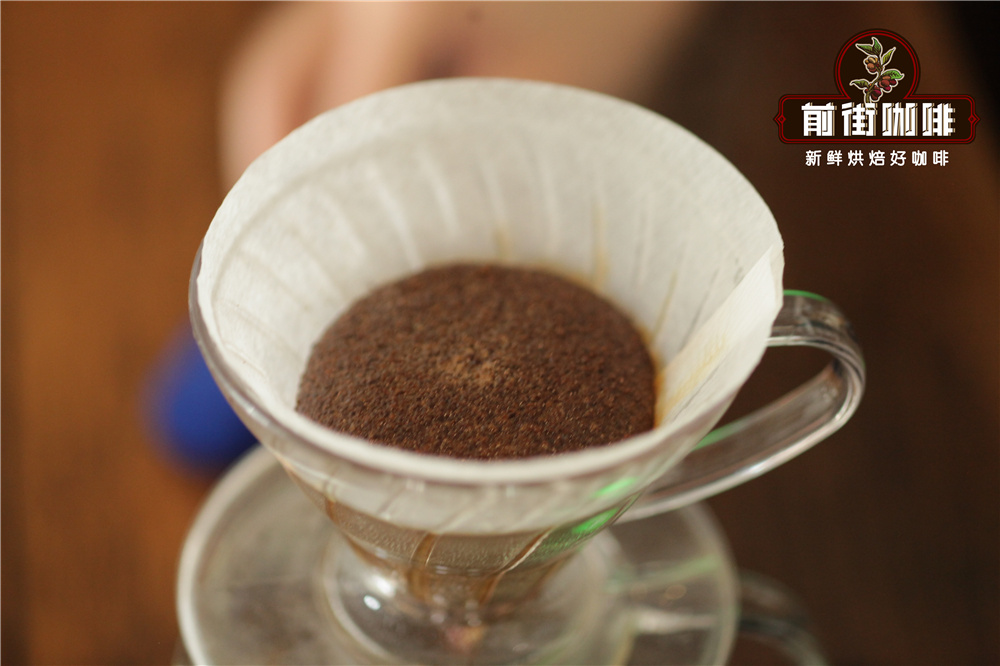
 Professional roasters usually use a medium roast to balance sweetness and acidity, highlighting the coffee's own floral and fruit notes while avoiding over-development into smoky flavors. A V60 dripper is recommended for pour-over, as its flow characteristics help present the flavor layers clearly. When brewing, note: a 1:15 coffee-to-water ratio (15 g coffee to 225 ml water) with a steady stream; during the bloom, make sure the water covers all the coffee grounds, and during staged pouring keep the water level no lower than the surface of the coffee bed.
 When tasting these three Musician Series coffees, try them at different temperatures to experience the evolution of flavor: at the initial stage, capture the bright acidity and floral aromas; at the medium temperature, feel the peak of sweetness; at the final temperature, note the persistence of the finish. Beethoven's creamy texture and toffee finish pair well with lightly sweet pastries, while Mozart's fermentation notes and Bach's tea-like quality complement nut-based desserts.
 For home brewing enthusiasts, pay special attention to the freshness of raisin honey-processed beans—use within two weeks of roasting and store sealed and away from light. If you want a stronger fermented character, you can slightly adjust the grind coarser (e.g., 75% passing a No. 20 sieve) and extend the bloom to 40 seconds, but reduce the total water volume accordingly to avoid over-extraction.
 From the morning dew of the Tarrazú highlands to the symphony in the cup, these coffees named after musicians are not only a treat for the palate but also a reflection of the craftsmanship of Costa Rican coffee farmers. Whether you prefer bright acidity or full-bodied sweetness, you can find a unique choice to match your personal taste in this series.
 Appendix: Basic parameter comparison table for the three beans
• Beethoven (washed): Yellow Catuai / 1,900 m / medium-fine grind / 91°C / 1:15
• Mozart (raisin honey): H1 / 1,980 m / medium-fine grind / 91°C / 1:15
• Bach (raisin honey): Caturra & Catuai / 1,980 m / medium-fine grind / 91°C / 1:15