Colombian Decaf Beans: How Swiss Water Processing Removes Caffeine While Preserving Flavor
Introduction: About 15% of coffee consumers worldwide choose decaffeinated drinks, but traditional decaffeination processes are often criticized for affecting flavor. This article provides an in-depth analysis of the principles behind four mainstream decaffeination technologies, focusing on the unique advantages of the Swiss Water Process—how it achieves 99.9% caffeine removal while maximally preserving nut and chocolate notes. Using an example from Colombia's Huila region, it helps you master roasting and brewing parameters for professional-grade decaf beans.
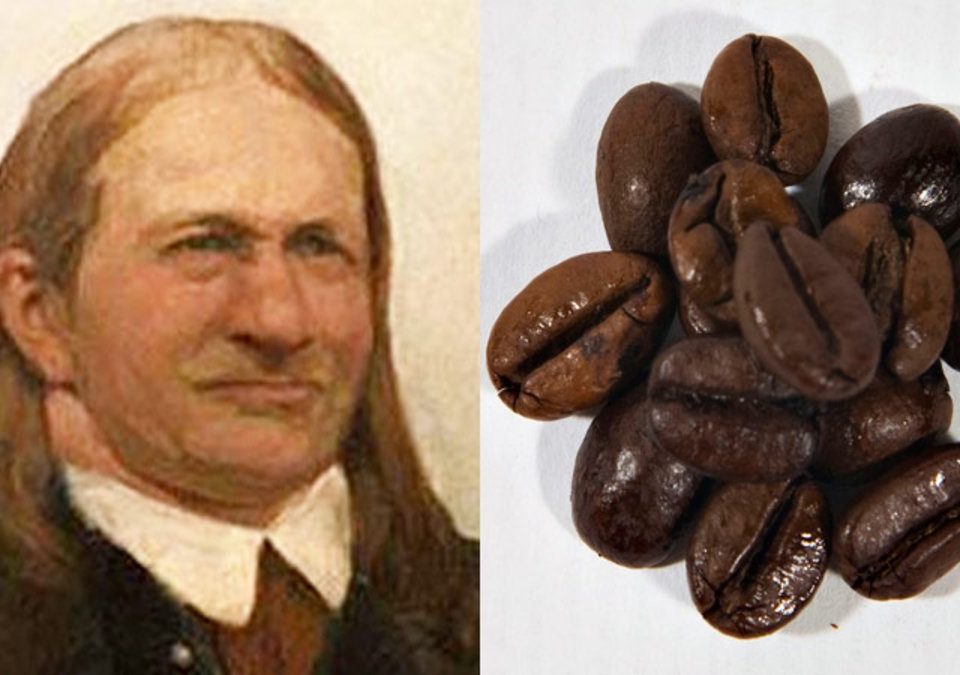
Coffee's appeal needs no elaboration, but excessive caffeine intake may cause health problems such as insomnia. As early as the late 19th century, German chemist Friedlieb Ferdinand Runge discovered that the sleep disturbances troubling many coffee lovers stemmed from this alkaloid. As research deepened, modern times have developed several mature decaffeination technology systems.
In the early 20th century, the team of German businessman Ludwig Roselius drew inspiration from accidentally sea-damaged coffee beans—these green beans soaked in seawater had significantly reduced caffeine yet unexpectedly maintained good flavor. This discovery directly drove the birth of commercial decaffeination processes. Today's mainstream technologies can be divided into five categories: direct/indirect solvent methods, supercritical carbon dioxide method, Swiss Water Process, and mountain spring water process.
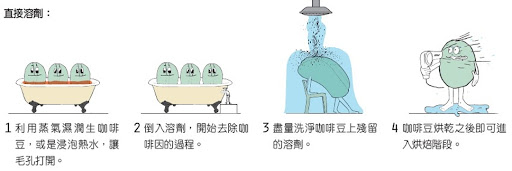
The direct solvent method uses dichloromethane or ethyl acetate as active components. In operation, steam is first used to open the pores of green beans, allowing the solvent to precisely penetrate the bean body and dissolve caffeine. Taking ethyl acetate as an example, this solvent derived from sugarcane is often called the 'sugarcane decaf method' due to its natural origin. Notably, the U.S. FDA strictly stipulates that residual solvents must not exceed 0.001%, and actual detected values are usually even lower, so consumers need not worry excessively about safety issues.
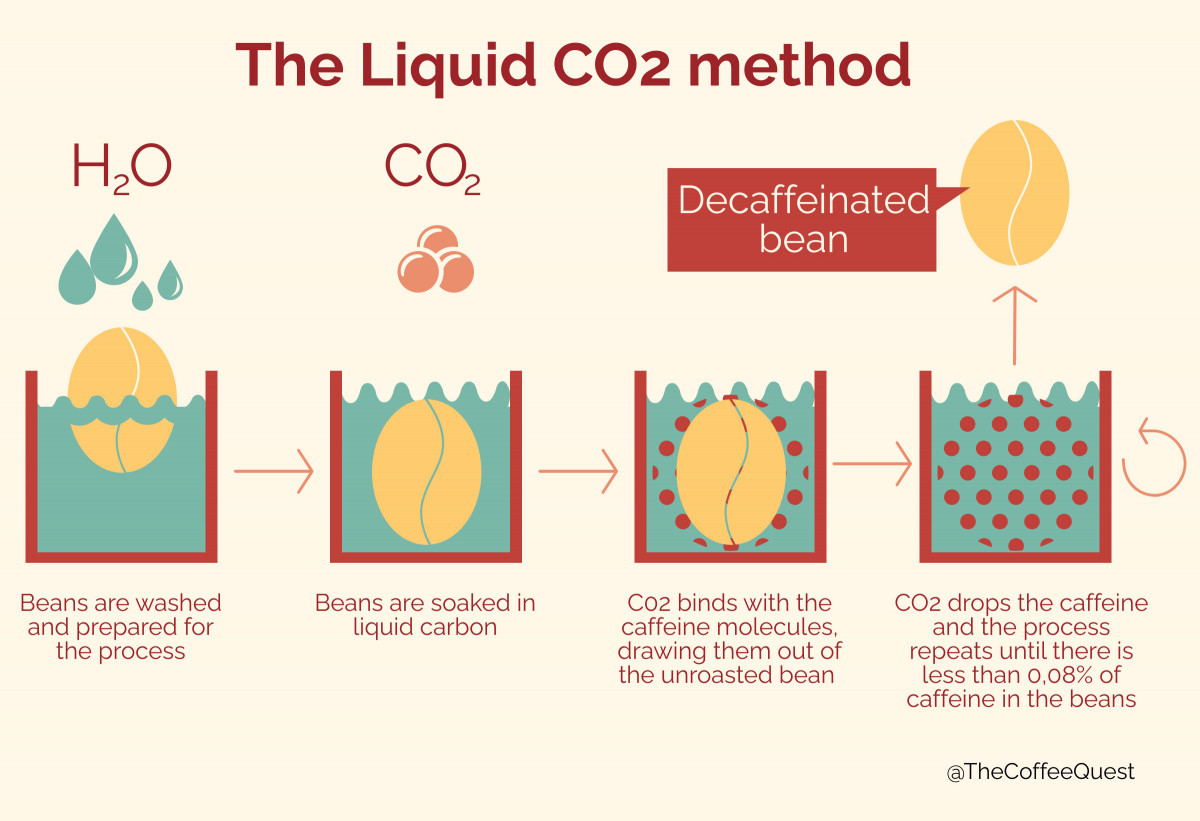
Supercritical carbon dioxide technology uses physical properties to achieve precise extraction: green beans are first soaked until moisture content increases by 30%-40%, then liquid carbon dioxide is injected under 100-120 atmospheres of pressure. This substance has selective adsorption capacity for caffeine, specifically binding caffeine molecules without destroying flavor substances such as sugars and proteins. Although equipment investment reaches millions of dollars, its caffeine extraction rate can exceed 98%, and the solvent can be recycled to reduce long-term costs.
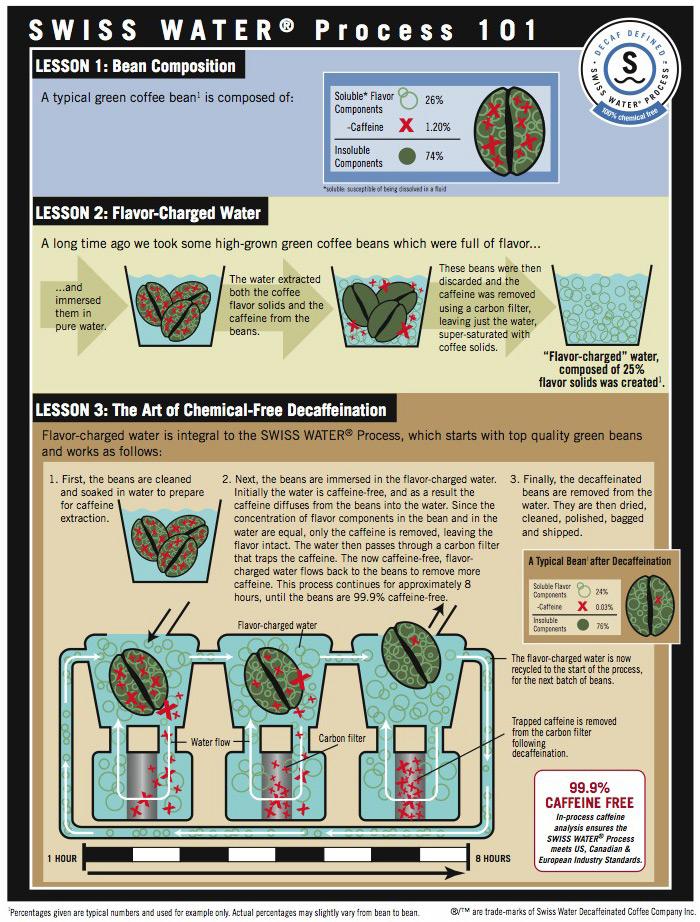
The Swiss Water Process, as the only patented technology with absolutely no chemical additives, centers on establishing a 'flavor-saturated solution.' Green beans are placed in hot water so that flavor substances and caffeine dissolve together, after which an activated carbon filter precisely intercepts caffeine molecules. The treated solution can be recycled for subsequent batches, ensuring every batch of beans is soaked in the same flavor matrix. This technology can achieve a 99.9% caffeine removal rate, but some delicate flavor substances may be somewhat lost during filtration.
The mountain spring water process works similarly to the Swiss Water method but uses specific mineralized water as the medium. Practice by Mexico's Descamex company shows that through special filtration devices, a water-based solution rich in flavor substances can be obtained; this solution not only efficiently extracts caffeine but also maintains stable processing results. This process is particularly suitable for hard-bean varieties from high-altitude producing regions in Central America.
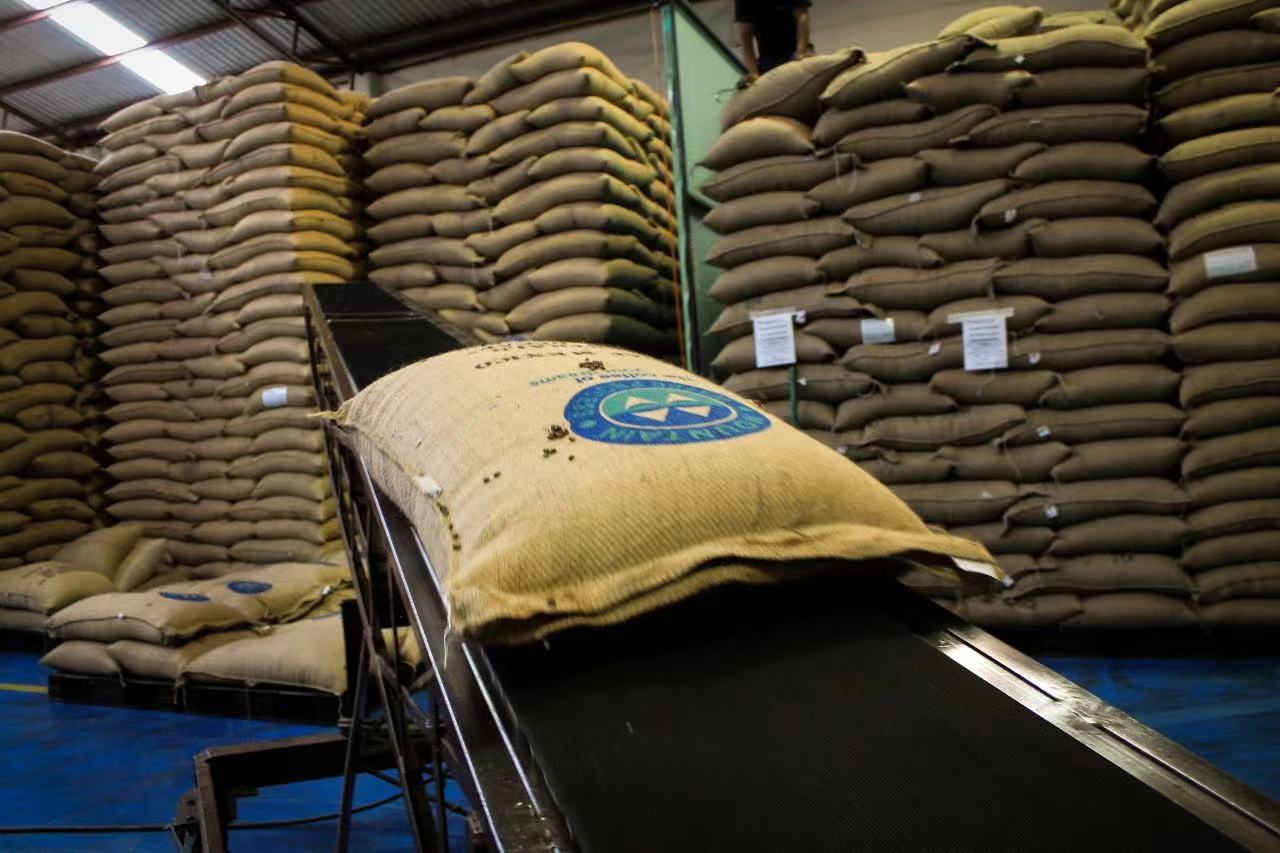
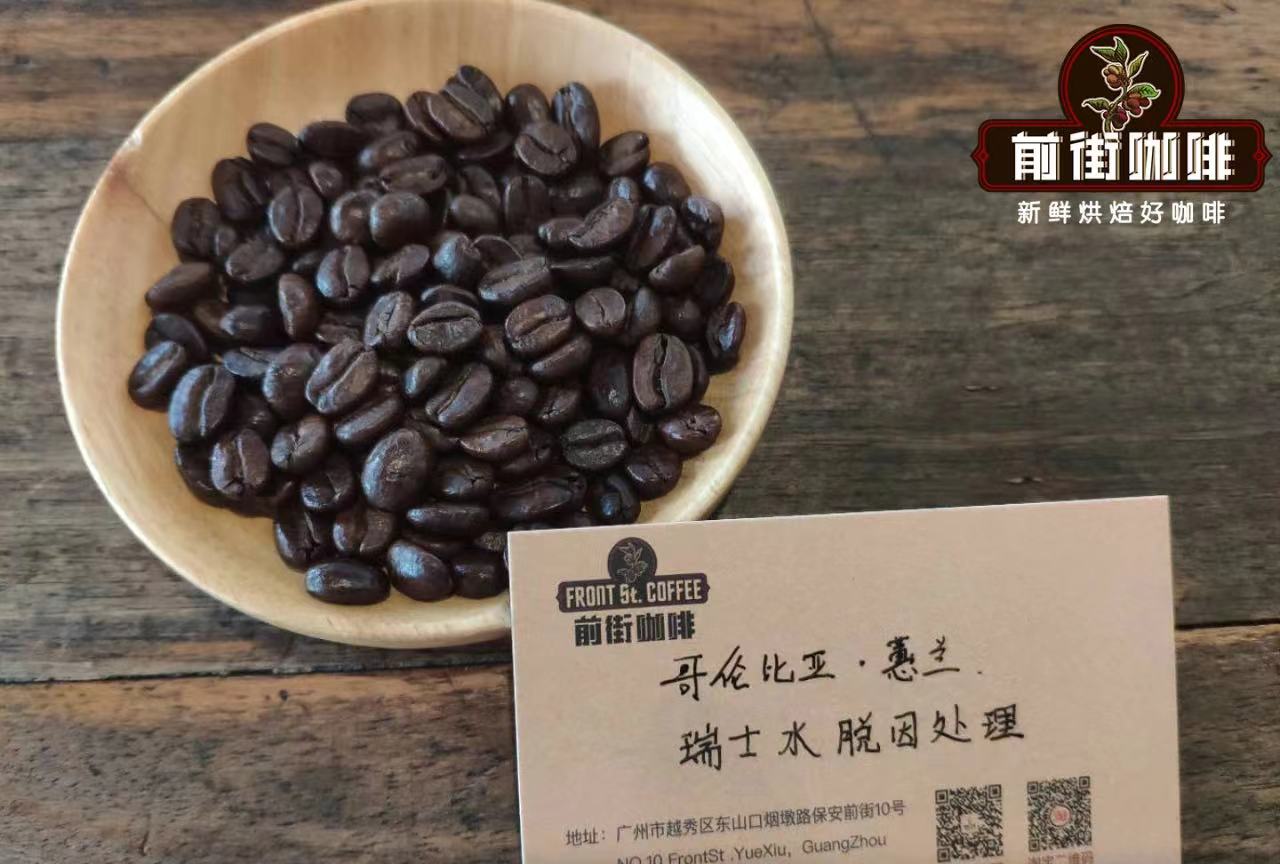
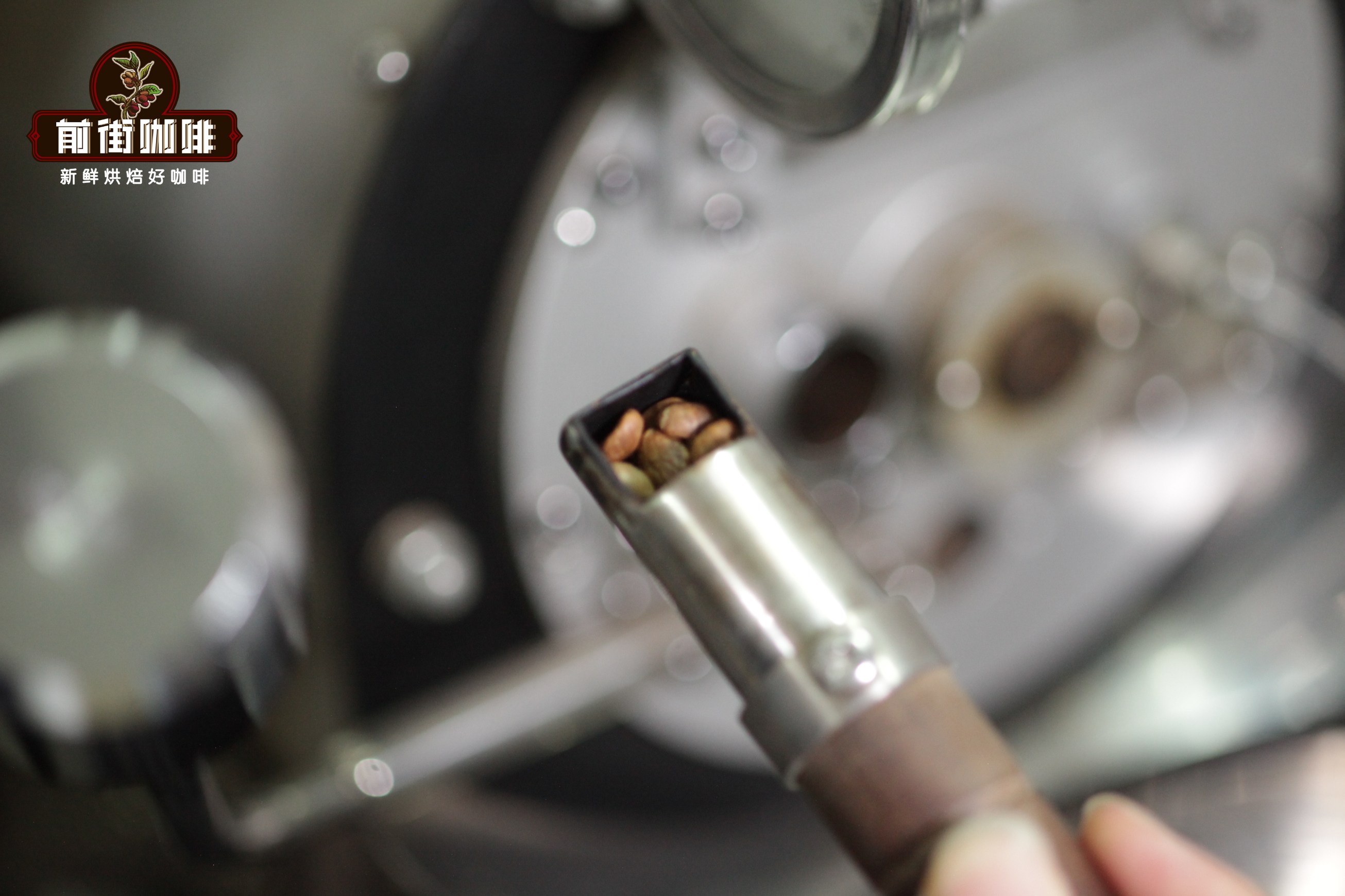
Taking Colombia's Huila region as an example, Typica variety grown at 1,750 meters elevation presents a typical nutty base with a dark chocolate finish after Swiss Water processing. Professional roasters recommend medium-dark roast (Agtron value approximately 55-60), which both strengthens the full-bodied mouthfeel and avoids over-development masking the original flavor characteristics.
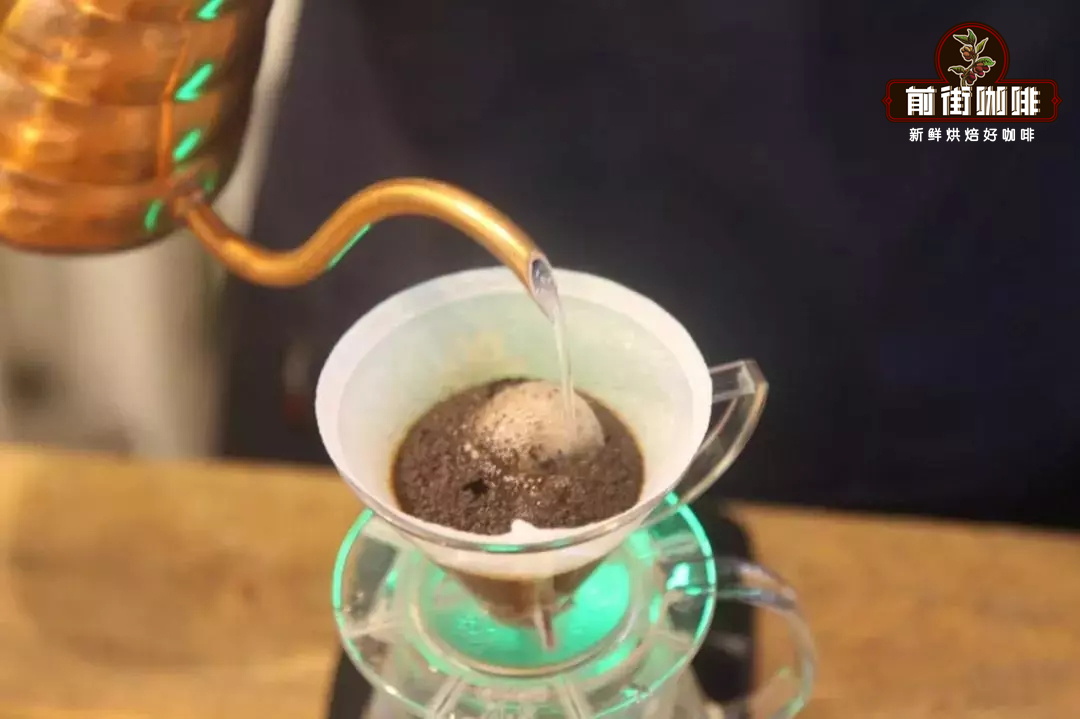
For pour-over parameter optimization, using a KONO dripper with 88°C water temperature is recommended. Its immersion design effectively slows the water flow rate; paired with a medium-coarse grind (about 0.85mm) at 70% passing rate through a No. 20 sieve, the following scheme is suggested: first pour 30ml hot water and bloom for 30 seconds, then pour in a small stream in circles to 125ml, and when the water level drops to the surface of the coffee bed, continue pouring to a total of 225ml, with total extraction time controlled at about 3 minutes. This parameter combination can highlight the balanced expression of caramelized sweetness and full body.
Flavor evaluation shows that high-quality Swiss Water processed decaf beans should present obvious dark-roasted nut aroma, with dark chocolate flavor gradually unfolding on the palate, accompanied by moderate brown sugar sweetness and mild citrus acidity in the finish. It is recommended to pair with medium-roast blend beans for blind tasting comparison to better appreciate its unique cleanliness and full-bodied texture.
For consumers trying decaf coffee for the first time, three key points are recommended: first, confirm the product bears the 'Swiss Water Process' or 'SWISS WATER®' patent mark; second, check the roast date to ensure freshness (drinking within 30 days is recommended); finally, adjust the coffee-to-water ratio according to personal taste preferences—those who prefer sweetness can try a 1:14 ratio to enhance sweetness expression.