Indonesian Coffee Brands and Sumatra Mandheling Flavor Guide: Pour-Over Bean Recommendations
Introduction: As a major coffee-producing region in the world, Indonesia has a rich and diverse coffee culture and coffee beans with unique flavors. This article will take you through Indonesia's main coffee brands, especially the origin characteristics, flavor profile and processing methods of Sumatra Mandheling coffee, to help you better choose and taste this classic coffee bean, whether for pour-over or blending.
In Indonesia, from Kintamani in Bali to the volcanic regions of Sumatra, coffee is not just a beverage but a cultural journey spanning several centuries. This country made up of many islands, with its unique geographical location and climate conditions, has given rise to a variety of coffees with very different flavors, among which Sumatra Mandheling is the most well known.
Indonesia's coffee cultivation history can be traced back to the late 17th century, when Dutch colonists introduced coffee seedlings and established the first coffee plantations on major islands such as Java and Sumatra. After hundreds of years of development, Indonesia has become one of the world's important coffee-producing countries. Its distinctive arabica coffee in particular, though not as widely known as South American coffee, holds a place in the specialty coffee field.
Indonesia lies in the Pacific Ring of Fire and has many volcanoes; this geographical environment provides exceptional conditions for coffee cultivation. Fertile volcanic soil rich in minerals, together with the cool climate of high-altitude areas, causes coffee cherries to ripen slowly and flavors to become more concentrated and complex. Because of this, Indonesian coffee often has the characteristics of low acidity, full body and pronounced sweetness, making it especially suitable for coffee lovers who enjoy rich flavors.
When Indonesian coffee is mentioned, Sumatra Mandheling must be discussed. Sumatra is known not only for its rich natural landscapes; the minerals abundant in its volcanic soil provide unique advantages for coffee growth. These minerals play an important role as the coffee cherries ripen, creating Mandheling coffee's distinctive flavor characteristics.
As for the origin of the name Mandheling, one account says it comes from a Japanese soldier stationed in Sumatra, who named the coffee he loved after a local tribe called "Mandailing"; the name later spread and evolved into "Mandheling." Although this account has not been fully verified, the name Mandheling has become synonymous with high-quality Sumatra coffee.
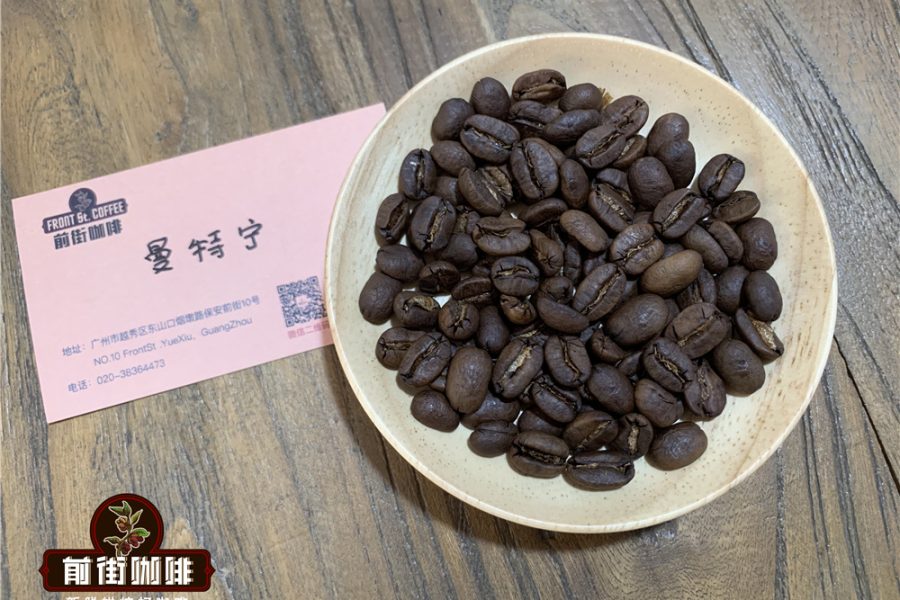
Mandheling coffee's flavor is extremely distinctive, usually with a rich aroma, full body and strong layers of flavor, often accompanied by chocolate and syrupy sweetness. The beans are rather large and hard, and defective beans are easily produced during cultivation and harvesting, so strict hand sorting is required to ensure the consistency of the final product's quality. In addition, different roast levels also significantly affect Mandheling's flavor expression: a light roast can highlight its fruity aroma and balanced acidity, while a medium-dark roast better reveals its rich chocolate and nutty flavors.
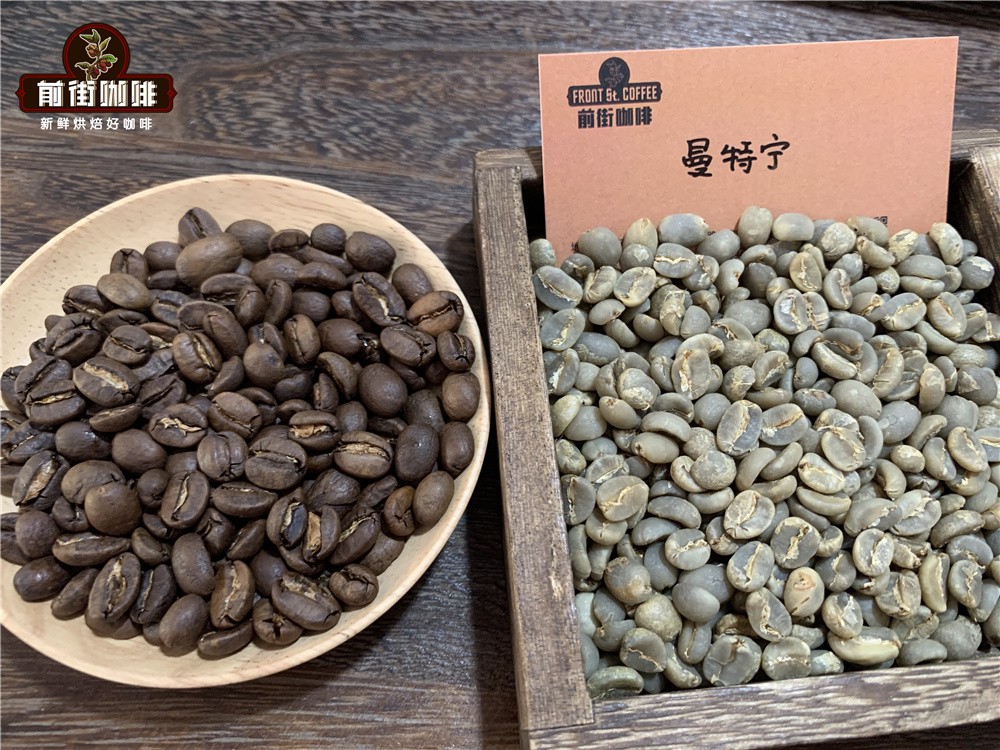
Mandheling coffee has another notable characteristic: it contains almost no obvious acidity, which allows it to maintain a smooth mouthfeel when kept warm for a long time or made into iced coffee, without producing unpleasant sourness or astringency. Its green beans are usually dark green or brown with a distinctive caramel aroma; after roasting, the beans remain full and their flavor is lasting and stable.
It is worth noting that Mandheling coffee often uses a processing method called "wet hulling," in which, after the coffee cherries are depulped, the outer parchment layer is removed while the mucilage layer has not yet fully dried, thereby accelerating the drying process. Although this method improves efficiency, it also makes Mandheling coffee beans relatively rough in appearance, and some consumers even consider them "the ugliest coffee beans." However, it is precisely this unique processing method that gives Mandheling coffee its distinctive flavor and texture.
For coffee lovers, Mandheling is suitable both for drinking on its own to experience its pure layers of flavor and as an indispensable component of many coffee blends. Whether used for pour-over coffee or to make espresso, Mandheling delivers an unforgettable taste experience. If you are looking for a coffee bean with a rich flavor and full body, Sumatra Mandheling is undoubtedly a choice worth trying.


