Adding Milk to Mandheling: A Lintong Sumatra Black Coffee Brewing Guide
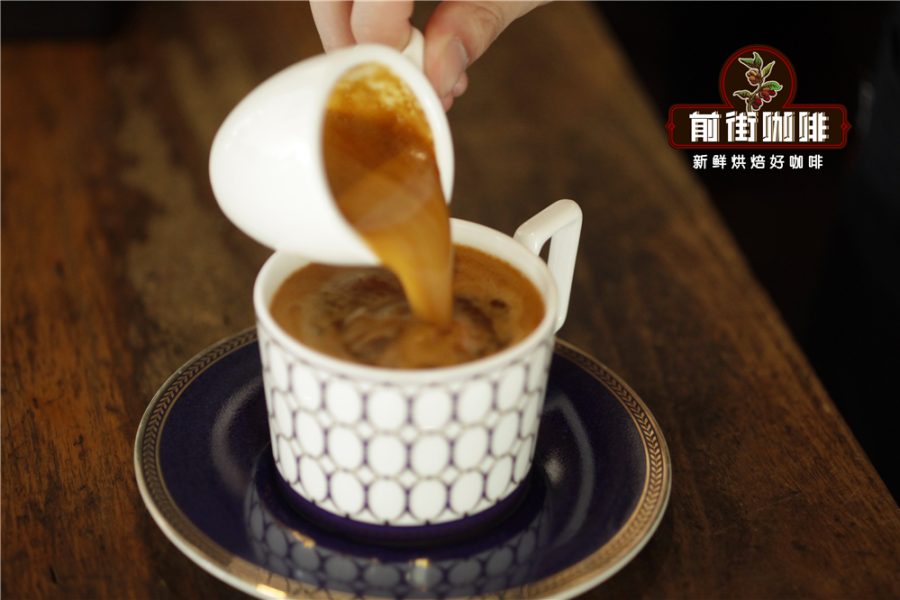
Introduction: Mandheling coffee is often considered intense and even herbal or medicinal in character, and many people wonder whether adding milk can improve its taste. This article examines the characteristics of Mandheling from the Lintong growing region of Sumatra, explores whether it suits the addition of milk, and provides background on the cultivation, flavor characteristics and pour-over recommendations for this classic Indonesian coffee, to help you better appreciate its distinctive appeal.
When Mandheling coffee is mentioned, many people's first impression is of an intense taste, sometimes with a hint of herbs or medicinal herbs—a quintessential black coffee. So, if milk is added to Mandheling, will the taste become softer and easier to accept? In fact, adding milk does neutralize some of the bitterness and strong regional flavors, but it also masks Mandheling's distinctive layers of complexity. Whether to add milk depends more on personal taste preference.
As the world's sixth-largest island, Sumatra has a geographical environment highly suited to coffee cultivation. The island is traversed by the Barisan Mountains, which rise to 12,467 feet, and Mount Kerinci, an active volcano, sits in the middle of the range. The volcanic soil here is rich in minerals, and together with the tropical rainforest climate, it provides ideal growing conditions for coffee trees. Most coffee-growing regions in Indonesia are run by smallholders; arabica is generally planted at higher elevations, while robusta is mostly found at lower altitudes. Of Indonesia's overall coffee production, about 15% is arabica and the remaining 85% robusta, and Sumatra is one of Indonesia's important regions for quality arabica coffee.

Sumatra Mandheling coffee comes mainly from the Padang area in the island's west-central region, near the volcanic slopes of Mount Leuser, at growing elevations of about 2,500 to 5,000 feet. Mandheling from this region is known for its distinctive and intense regional flavors. Its processing mostly uses the traditional natural drying method (also called wet-hulling), which allows the beans to retain richer and more complex flavor characteristics as the mucilage and some moisture are removed.
Mandheling's flavor is typically expressed as low acidity, a heavy body, and a pronounced herbal, earthy and spicy finish. On the palate, one often senses a richness reminiscent of dark chocolate, and the aftertaste sometimes carries a hint of licorice. Although its elevation is not especially high, the fertile volcanic soil and the humid, stable climate still allow the coffee to develop a complex and full flavor structure.
For those trying Mandheling for the first time, its intense flavor may seem somewhat "overpowering," especially its low-acid, heavy profile, which can easily make people assume it "doesn't taste good." But in fact, this style is exactly where Mandheling's charm lies. If you find the pure black coffee too intense, you can try adding a small amount of milk, which can soften its sharp herbal notes to some extent and bring a rounder, smoother mouthfeel. However, milk also weakens Mandheling's signature spice and earthy notes, so whether to add milk depends on which side of it you want to highlight.
When brewing Mandheling, a medium-coarse grind is recommended, close to the medium-to-coarse particles of pour-over filter coffee, to match its full body. Common pour-over parameters for reference: water temperature 90-93°C, coffee-to-water ratio 1:15 to 1:16, using center pouring and staged extraction, which helps extract flavors evenly and avoids the bitterness caused by over-extraction. If you choose to add milk, a medium-dark roast Mandheling is recommended, as it harmonizes better with milk's sweetness and shows good balance when made into a latte or flat white.
Overall, Mandheling is a coffee with strong personality and regional character, and whether you appreciate it as pure black coffee or try it with milk, it offers different taste experiences. Understanding its origin background, processing method and flavor characteristics can help you better appreciate this classic coffee from Sumatra.


