The Fines Effect in Pour-Over Coffee: Optimizing Grind for Better Flavor
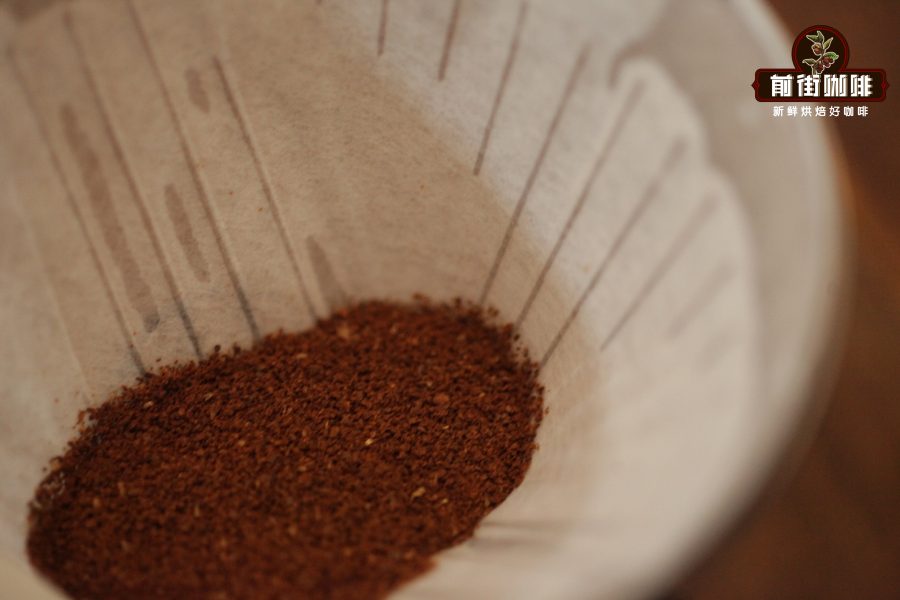
Introduction: The flavor of pour-over coffee is closely tied to grind uniformity. The presence of fines is often overlooked yet directly affects extraction. This article analyzes how fines influence extraction parameters and flavor release in pour-over coffee, guides enthusiasts to improve mouthfeel through scientific sieving, and offers practical advice from grind grading to hands-on operation, helping you precisely control the flavor balance of every cup.
In manual coffee brewing, grind size is one of the key factors determining flavor release. Professional coffee cupping typically involves sieving ground coffee, because overly fine particles disrupt a stable extraction process. Pre-sieving yields ground coffee with a more uniform particle distribution, allowing the coffee's aroma and mouthfeel to be expressed more fully.
After sieving, ground coffee usually separates clearly into coarse and fine portions. Fine particles tend to collect at the bottom, while larger particles remain on top. However, this fine sieving step is often neglected in home coffee making. Those who first tried this method were mostly experiment-minded coffee enthusiasts, who explored techniques for improving coffee quality by modifying how cheap home grinders are used.
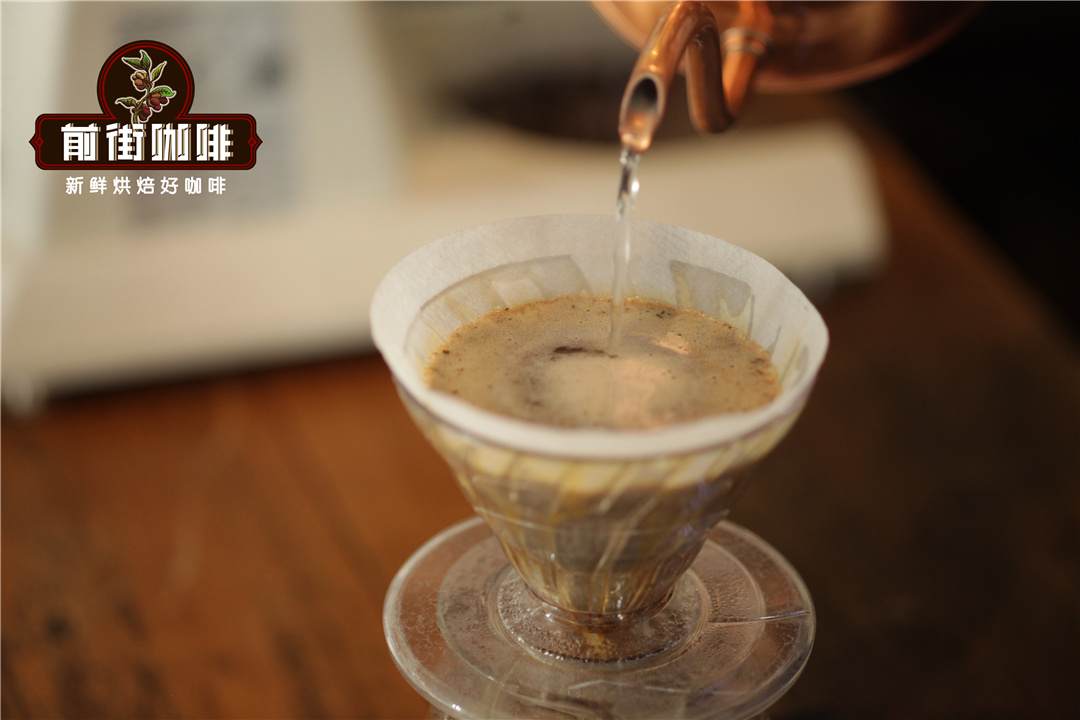
Modern commercial cafés generally use professional-grade grinding equipment, which can achieve highly uniform particle distribution and effectively avoid astringency or off-flavors during extraction. The secret lies in the precisely designed vertical burr structure inside the equipment, which produces particle uniformity close to the ideal state. Compared with ordinary home grinders, professional equipment significantly improves extraction efficiency, making the coffee's flavor more balanced. But even the top-tier EK-43 model inevitably produces a small amount of oversized or undersized anomalous particles.
These anomalous particles fall mainly into two categories: fines smaller than 300 microns, and coarse particles larger than 1100 microns. Although completely eliminating them is technically difficult, proper sieving can significantly improve the result. This is an important step toward a perfect grind and helps improve overall extraction quality.
Coffee grind can generally be divided into four main grades: extra-fine, fine, medium-fine and coarse. Extra-fine is mainly used for espresso. This coffee is extracted with an espresso machine, where hot water at 9 atmospheres of pressure generated by a boiler is forced through a tightly tamped bed of coffee in a metal filter basket. To cope with the high-pressure environment, espresso requires a particularly uniform and dense puck structure, so the demands on grind uniformity are extremely strict.
So why are fines not suitable for direct use in pour-over coffee? In fact, fines are better suited to drip-bag coffee. Many people mistakenly assume drip bags should use a coarser grind because the coffee grounds need to steep in water. But drip bags are designed with multiple outlet points, unlike single-hole pour-over devices such as the V60. Fines increase the contact area between water and coffee, and in the drip-bag scenario they actually help improve extraction efficiency.
For home pour-over coffee, controlling the fines content is especially important. After grinding, it is advisable to do a simple sieving with a vibrating sieve or mesh strainer to remove obvious fine particles. In practice, spread the ground coffee evenly on the sieve and shake gently so the fines pass through the mesh. Though this step seems simple, it effectively improves the clarity of the coffee's mouthfeel and reduces the bitterness caused by over-extraction.
Mastering grind size and fines control is a foundational skill for improving pour-over coffee quality. By understanding how different particle sizes affect the extraction process, coffee enthusiasts can adjust grind parameters more precisely and achieve a layered, balanced coffee experience. Remember, perfect pour-over coffee depends not only on water quality and temperature control, but begins with the uniformity of every coffee particle.