The Golden 22-Second Espresso Rule and a Complete Guide to Decaf
Introduction: The core of mastering espresso lies in precisely controlling the 22-second extraction time, the key point for balancing flavor and mouthfeel. This article takes a deep look at how professional baristas adjust grind size, pressure and flow rate in tandem to achieve the ideal extraction state. With a special focus on those who need decaf, it reveals the practical differences of using Arabica beans as an alternative, and includes practical tips on observing flow rate and controlling dose, helping you reproduce café-quality results at home.
To make a perfect espresso, a 22-second extraction time is the most important benchmark parameter. This golden time point, repeatedly verified by coffee labs around the world, is essentially the critical value at which, as water penetrates the coffee puck, the efficiency of flavor compound dissolution and the speed of bitter compound release reach a dynamic balance. But the number is only a starting point—true professional skill shows in adjusting grind fineness according to bean freshness and roast level, and changing the water flow channels through the force of the tamper, ultimately making the coffee liquid show a reddish-brown sheen with no obvious separation of the crema.
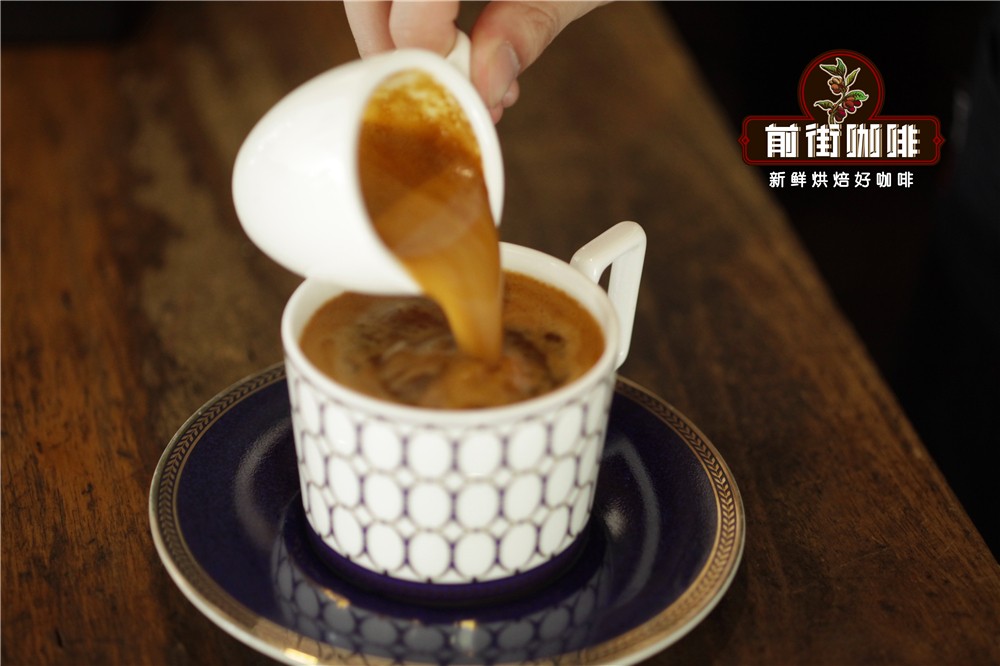
Observing the change in espresso flow rate is an intuitive way to judge the extraction state. When the coffee drips slowly from the portafilter spout in a thin column (ideal flow rate about 2-3 drops per second), it shows that the coffee and water are in full contact; if a broken, thin-line stream appears, it may be that the grind is too fine and causing channeling, in which case you need to check whether the grounds are distributed evenly, or appropriately reduce the dose by 1-2 grams. Conversely, if the coffee rushes out as pale yellow foam, it often means the grind is too coarse or the tamping force is insufficient, which will shorten the extraction time to under 15 seconds, and the final product will have a noticeably sharp acidity and a cardboard taste.
Professional advice is to keep the final volume of a single espresso at 25-30 ml (about 0.85-1.05 oz), and a double at 50-60 ml. This volume range ensures enough flavor compounds are dissolved while avoiding over-dilution. In practice, you can use a digital scale to monitor the extraction weight; the brew ratio of a quality espresso is usually maintained between 1:2 and 1:2.5 (for example, 18 g of coffee producing 36-45 g of liquid).
When making decaf espresso, the process is exactly the same as the regular version; the core difference is choosing Arabica decaf beans processed by the Swiss Water Process or supercritical carbon dioxide treatment. These processing techniques can remove 97%-99.9% of the caffeine while retaining more than 90% of the aromatic compounds. Note in particular that, because of the naturally high caffeine content of Robusta beans (2.7%, far exceeding Arabica's 1.2%-1.5%), it is almost impossible to find decaf Robusta beans on the market that meet food safety standards. It is recommended to choose medium-roast Arabica decaf beans, whose lower acidity and more pronounced sweetness can effectively compensate for the flavor loss caused by the decaffeination process.
Suggested parameter adjustments for the decaf version: make the grind about 5%-10% finer than the regular recipe to compensate for the change in water flow resistance caused by the lower density of decaf beans; the tamping force can be increased to 30-32 lb (about 30 lb for regular), ensuring a firm puck structure; extend the pre-infusion time by 3-5 seconds to help even wetting. With these fine adjustments, even without caffeine, you can still obtain layered crema and a balanced mouthfeel.
Whether it is traditional espresso or the decaf version, continuously recording the parameter combination of each extraction (including water temperature, dose, time and liquid weight) and keeping flavor notes is an effective way to quickly improve your brewing level. Remember, there is no fixed formula for a perfect espresso; it adjusts dynamically with the characteristics of the bean variety and changes in ambient temperature and humidity—and that is exactly the charm of the art of hand brewing.


