Beginner's Guide: 12 Common Coffee Styles and How to Choose

Introduction: From rich espresso to silky milk coffee, the world of coffee is full of variety. This article systematically introduces the brewing principles and flavor characteristics of 12 mainstream coffee drinks, helping you quickly grasp the differences between the basics. By comparing caffeine content, milk foam ratios, and the best drinking occasions for different coffees, even beginners new to coffee can make a suitable choice based on their personal taste preferences.
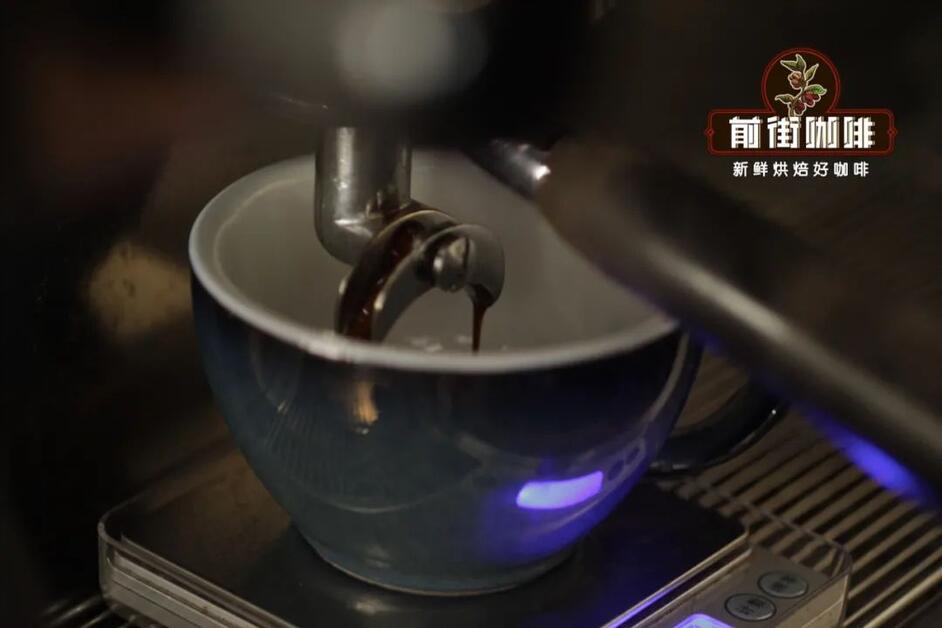
Walking into any café, the menu always includes a classic base—Espresso. This dark brown liquid extracted under high pressure, though small in volume (about 30ml), is the core of many specialty coffee drinks. Its taste is intense, with a caramel-like finish and a distinct layer of crema. First-time tasters are advised to drink it in small amounts.
Americano, as a diluted version of espresso, originated during World War II when American soldiers adjusted to the intensity of Italian coffee. The standard method is to add 60-100ml of hot water to a shot of espresso, reducing the concentration to 1/3 to 1/2 of the original. This type of black coffee retains the original flavor structure, with a milder bitterness, suitable for morning refreshment or pairing with breakfast bread.
The most common drink on Italian streets, Caffè Latte, literally translates to "milk coffee." The standard recipe includes a shot of espresso and 150-200ml of steamed milk, topped with a small amount of microfoam (about 1cm thick). The key point is that the ratio of milk to espresso reaches 3:1 or more, creating a smooth and creamy texture. Those with lactose intolerance can choose plant-based milk as a substitute.
Cappuccino, often confused with latte, emphasizes a three-part structure: espresso on the bottom, steamed milk in the middle, and a thick layer of milk foam on top (2-3cm thick). The traditional method uses a single shot of espresso (about 30ml), with the total volume kept within 180ml. Due to the high density of the foam, you should first pierce the surface to taste the bubbly texture, then stir to enjoy the blended flavor.
Macchiato means "marked" in Italian, specifically referring to a spoonful of milk foam lightly dotted on the surface of espresso as a "mark." Modern versions may add a small amount of caramel sauce for decoration, but the core is still to preserve the true taste of espresso, suitable for those seeking a pure coffee experience.
Flat White originated in Australia. The key difference from latte is the use of a smaller cup size (about 160ml) and finer milk foam (0.5cm thin foam). Each cup contains a double shot of espresso, making the coffee flavor more prominent. The milk temperature is usually controlled at 60-65°C to protect the aroma molecules.
Mocha is the first choice for chocolate lovers, made by mixing espresso, hot milk, and chocolate sauce (or cocoa powder). Some recipes add an extra topping of fresh cream, and the sugar content is relatively high. When purchasing, note the difference between regular mocha and white chocolate versions; the latter is sweeter but less bitter.
Vietnamese coffee (Ca Phe Sua Da) showcases Southeast Asian characteristics, using dark-roasted coffee beans mixed with condensed milk. Traditional brewing uses a metal drip filter (Phin) for slow extraction, finally mixed with ice or hot milk. Its sweet and rich taste contrasts sharply with espresso, suitable for pairing with savory snacks like fried dough sticks.
Cold Brew is obtained by steeping in cold water for a long time (usually 12-24 hours), with low acidity and a refreshing taste. The ratio of coffee grounds to water during production is 1:8 to 1:12. After filtering, it can be drunk directly or with ice. It is worth noting that the caffeine content of cold brew is generally higher than that of hot coffee of the same volume.
In addition, there is Irish Coffee with whiskey and other spirits added, and Wiener Melange topped with fresh cream and cinnamon powder, among other seasonal specials. After understanding the differences between these basic styles, you can flexibly choose an introductory drink based on the occasion (such as a date, office, or outdoor setting) and personal taste preferences (preferring sour/bitter/sweet).


