12 Classic Pour-Over Coffee Bean Flavor Profiles: Origins, Processing Methods and Taste Guide
Introduction: From Africa to the Americas, coffee beans from different origins present strikingly different flavor characteristics due to differences in climate, soil and processing methods. This article selects 12 globally renowned pour-over coffee beans, explaining in detail core features such as the floral-fruity character of Yirgacheffe, the rich herbal flavor of Mandheling, and the tea-like layers of Geisha, along with origin altitudes, processing method types and brewing suggestions, to help coffee lovers choose precisely according to their taste preferences.
The flavor performance of pour-over coffee is closely related to the coffee bean's origin, variety and processing method. Take Yirgacheffe from Ethiopia in Africa as an example: this globally renowned washed bean is grown on plateaus at an altitude of 1,700–2,100 meters, with prominent floral and fruity aromas; on the palate it carries fresh notes of lemon and jasmine, with bright acidity like spring water and a soft black-tea-like finish, making it a top choice for beginners to experience coffee's complexity.
If you prefer a low-acid, balanced taste, Jamaican Blue Mountain coffee is the ideal choice. Grown in the Blue Mountain range at 1,200–1,700 meters, it presents honey sweetness and nutty aroma after a medium-light roast, with medium-full body and a harmonious acid-to-bitterness ratio, and is known as the "King of Coffee." Note that authentic Blue Mountain must carry the certification mark of the Jamaica Coffee Industry Board.
Sumatra Mandheling coffee from Indonesia is famous for its unique wet-hulling process. This method accelerates the drying process, creating low-acid, full-bodied characteristics, with a complex aroma of herbs, earth and dark chocolate, suitable for drinkers who like intense flavors. When brewing, a slightly coarser grind is recommended, with water temperature controlled at 90–92°C to avoid over-extraction.
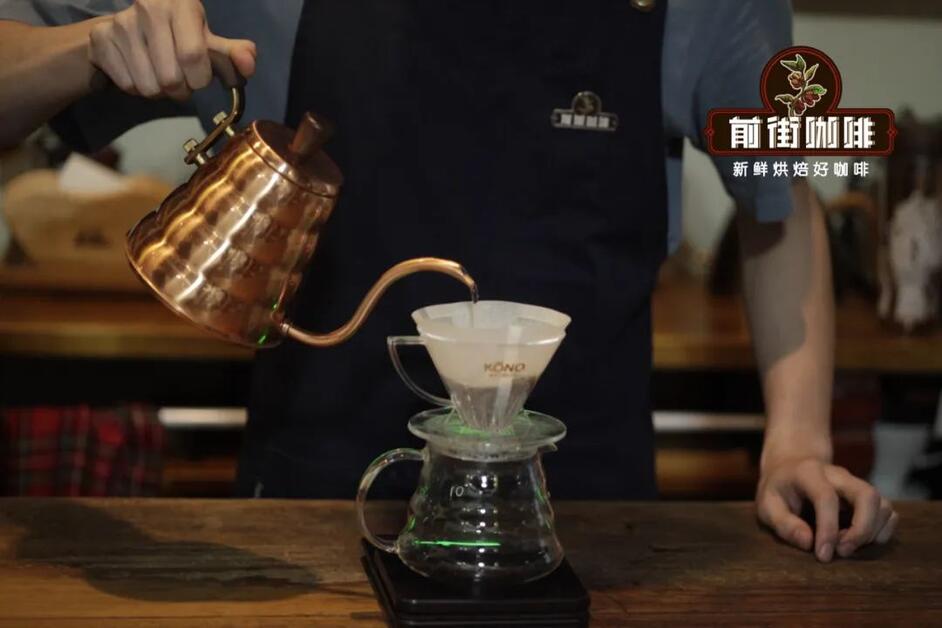
Guatemala Antigua coffee from Central America is a typical high-grown hard bean; volcanic soil gives it smoky and spicy flavors, and after washed processing its acidity is mild, with a balance of dark chocolate and red berries. Recommended brewing parameters: coffee-to-water ratio 1:15, staged pouring over 2 minutes.
Panama Geisha coffee overturns traditional coffee perceptions—its flavor is closer to floral-fruit tea. Geisha from Hacienda La Esmeralda often presents peach, citrus and white floral notes, with vivid sweetness and a long finish. This bean uses natural or honey processing and requires gentle extraction to preserve its delicate flavors.
Coffee beans from Colombia's Huila region are known for nutty and caramel flavors; sweetness is prominent after a medium-dark roast, making them suitable for milk coffee or black coffee. They are grown mainly at altitudes of 1,500–1,800 meters, and washed beans have high cleanliness, with bright but not sharp acidity.
Yemen Mocha coffee is one of the world's oldest coffee varieties, carrying intense chocolate and spice aromas, named after its historical export through the port of Mocha. Its flavor complexity is high, but the proportion of defective beans may also be higher, so choosing a reputable roaster is recommended.
Coffee beans from Brazil's Cerrado region are known for low acidity and nutty-creamy flavors. As the world's largest coffee producer, its gentle terrain yields beans that are full-bodied and balanced, often used as a base for blends. Naturally processed Cerrado carries rich tropical fruit aromas and is suitable for cold brew or French press brewing.
Ethiopian Sidamo coffee beans share the same origin as Yirgacheffe, but have a stronger fermented character, commonly with blueberry and tropical fruit flavors, and some lots carry winey notes. The region's large altitude differences create rich flavor layers; when brewing pour-over, try extending the bloom time to bring out the aroma.
Kenya AA coffee is known for its distinct tomato acidity and blackcurrant flavors, processed with a double-fermentation washed method, with medium body but a lasting finish. When brewing, a V60 dripper is recommended, and the flow rate should not be too fast to ensure clear acidity.
Yunnan small-bean coffee has improved significantly in quality in recent years, grown on the Yunnan-Guizhou Plateau at altitudes of 1,200–1,800 meters. Naturally processed beans carry honey and caramel sweetness, while washed versions present citrus and black tea flavors. As China's main coffee-producing region, it has an obvious value advantage and is suitable for daily drinking.


