Coffee Roast Guide: Light, Medium and Dark Roast Flavor Differences and Pour-Over Bean Selection Tips

Introduction: Roast level determines 70% of coffee's flavor. This article explains the three main categories of light, medium and dark roast, compares how fruity-floral aromas and caramel notes form, and offers pairing suggestions for different brewing methods. Using the typical examples of Ethiopian Yirgacheffe and Indonesian Mandheling, it helps you understand how roast level affects acidity, body and aftertaste, and resolves the confusion of choosing beans.
Coffee roasting is the key process that determines flavor; different roast levels awaken different aromatic compounds in the beans. The gradient from light to dark not only changes color but also directly affects the balance of acidity, sweetness and bitterness and the layers of mouthfeel. Understanding these differences helps you choose beans precisely according to your brewing method and personal preference.
Light Roast usually stops when the bean surface shows a light brown color, with a shorter development time. This type of coffee has bright, lively acidity, often with citrus, blueberry and other fruity-floral aromas, a refreshing mouthfeel and a shorter aftertaste.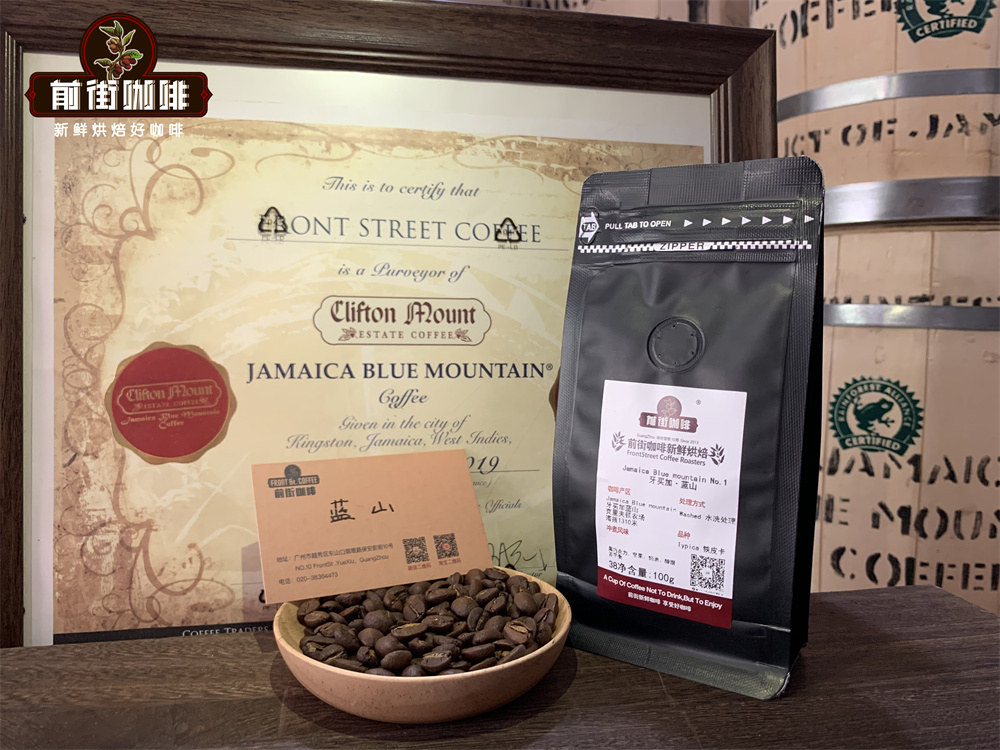 It suits those who enjoy a fresh taste; a typical example is Ethiopian Yirgacheffe, whose jasmine and citric acidity are especially prominent under a light roast. Note that the brewing water temperature is best kept at 90-92°C to avoid over-extraction that produces sharp acidity.
Medium Roast ends before obvious oiliness appears on the bean surface, in the stage from dense first crack to its end. This range balances the three elements of acidity, sweetness and bitterness, with the base notes of nuts and toasted bread while retaining some fruity aroma, and a round, smooth mouthfeel. Colombian Huayueye at this roast level shows caramel sweetness and a dark chocolate finish, and the winey aroma of Honduran Sherry Barrel beans is also more pronounced. A V60 dripper with a 1:15 coffee-to-water ratio is recommended to better present the layers.
Dark Roast continues heating to the beginning of second crack or even longer, until the bean surface is oily and black. At this point the caramelization reaction is complete, body is significantly enhanced, and the dominant flavors shift to dark chocolate, smoke and woody notes. The herbal spiciness of Indonesian Mandheling transforms into a rich spice flavor under a dark roast, and Jamaican Blue Mountain actually strengthens its brown-sugar-like sweetness through dark roasting. A French press is the ideal brewing tool; a coarse grind with a 4-minute steep fully releases the heavy mouthfeel. Be careful to avoid the woody taste caused by under-extraction.
Professional roasters adjust the roasting curve according to the characteristics of the origin; for example, high-altitude beans are usually suited to a lighter roast to preserve acidity, while low-density beans can have mouthfeel defects improved through dark roasting. For home storage, light-roasted beans are best consumed within 14 days, while dark-roasted beans, because their oils oxidize faster, need more attention to airtight, light-proof storage.


