Coffee Roast Levels Explained: Flavor Differences from Light to Dark and Brewing Advice
Introduction: The roast level of coffee beans directly affects their flavor expression, from bright fruit acidity to mellow chocolate notes; different roasting curves create ever-changing taste experiences. This article systematically explains the core differences among the three major roast types—light, medium and dark—reveals the best roasting methods for well-known beans such as Ethiopian Yirgacheffe, and provides key parameters for home roasters choosing beans, helping you precisely match coffee flavor to your drinking preferences.
The diverse roast levels of coffee beans are no accident, but a scientific process in which roasters precisely control heat and time to transform the potential flavors of green beans into specific tastes. The common light, medium and dark classifications on the market are only simplified expressions; in the actual professional field there are more than ten subdivided standards, such as cinnamon roast (close to the color of green beans) and city roast (medium-dark).
Light roast usually ends when the bean surface turns light brown, completing the roast at the early stage of first crack. This process preserves the coffee's own floral and fruity aromatic compounds to the greatest extent, with an acidity value about 30% higher than medium-dark roasts. A typical example is Ethiopian Yirgacheffe, whose citrus notes and jasmine aroma can only be fully revealed by extraction at 88-92°C water temperature; for pour-over, a coarser grind (Chinese standard 80-100 microns) is recommended to avoid over-extraction.
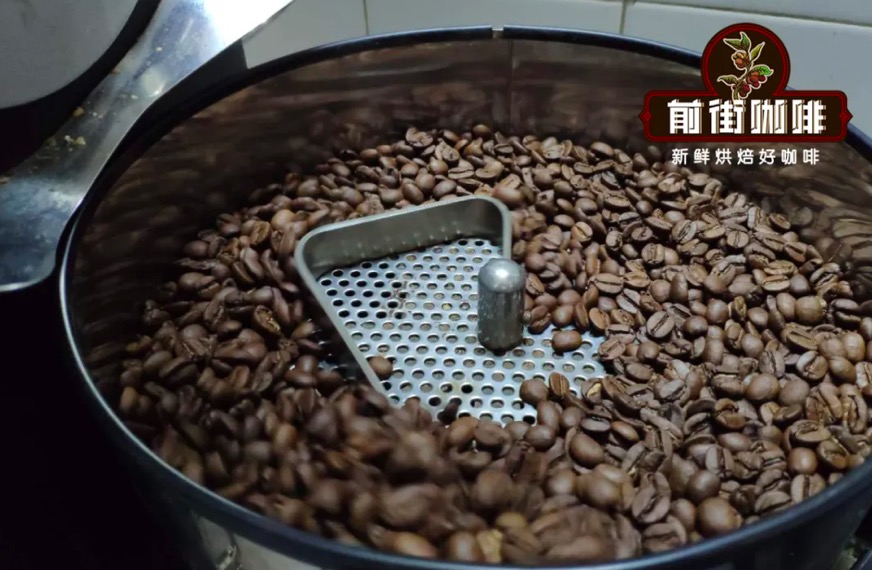
Medium roast ends when the bean body turns chestnut brown, at which point the Maillard reaction begins to appear but does not yet dominate the flavor. This process focuses on developing the caramelization of sugars, giving the coffee a honey-like sweetness and moderate body. After medium roasting, the washed Geisha beans from Colombia's Emerald Estate have more harmonious apricot flavor and black tea finish; the best brewing parameters are 93°C water temperature with a medium-fine grind (60-80 microns), and extraction time controlled at about 2 minutes 30 seconds.
Dark roast gives the bean surface a glossy black color, usually accompanied by continued heating after the end of first crack. The high-temperature environment causes oils to seep onto the surface, forming signature chocolate and smoky flavors. After this process, Indonesian Mandheling's herbal bitterness transforms into a bittersweet balance of dark chocolate; a French press with a grind the size of coarse sugar granules (40-60 microns) is recommended, and a high temperature above 95°C can better bring out its full-bodied texture.
Consumers should note when choosing coffee beans: light-roasted beans are best consumed within 2 weeks of roasting for freshness, while dark-roasted beans, because oils oxidize more slowly, can have their optimal tasting period extended to 4 weeks. For home storage, place unopened bean bags in a light-protected environment; for ground coffee, use an airtight jar with food-grade desiccant to avoid rapid loss of flavor.


