Latte vs Cappuccino: Flavor, Texture, and Origins Explained
Introduction: Latte and cappuccino are classics on café menus, but do you know how they differ in texture, milk foam ratio, brewing method, and even historical origins? This article examines these two popular coffees from flavor descriptions and brewing parameters to coffee-to-milk ratios and cultural background, helping you find the choice that better suits your taste and understand the coffee culture behind them.
Latte and Cappuccino: More Than Just Different Names
Walking into a café, you always hesitate between a latte and a cappuccino when ordering. These two drinks, both based on espresso and milk, show clear differences in foam thickness, flavor expression, and visual presentation. Understanding their differences not only helps you choose a coffee that suits your taste but also lets you order with more confidence.
Latte: The Classic Choice Led by Milk
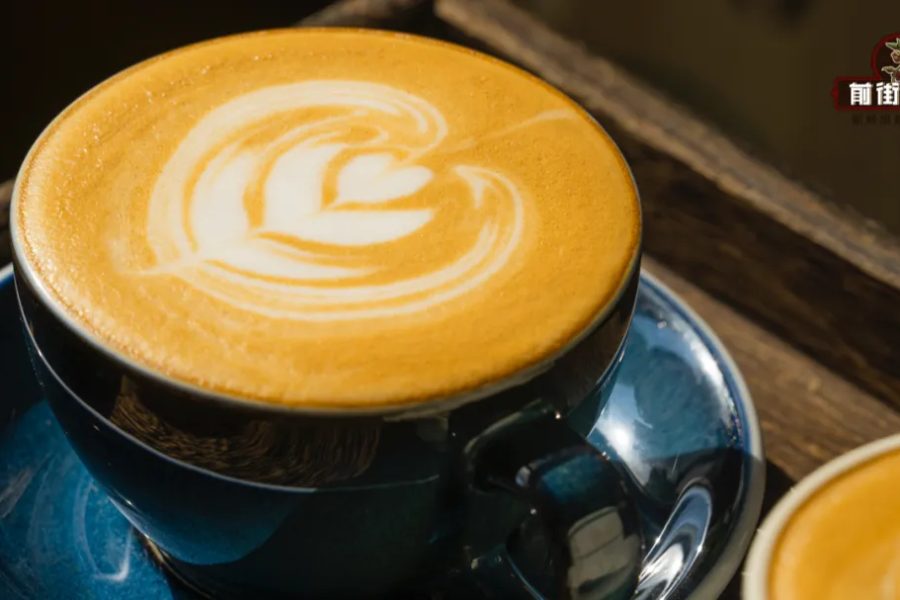
Latte means "milk" in Italian and, as the name suggests, is a coffee in which milk plays the leading role. A standard latte consists of one shot of espresso, a suitable amount of steamed hot milk, and a thin layer of milk foam, with an overall ratio of roughly 10% espresso, 70% milk, 20% milk foam. This ratio makes the latte's coffee flavor relatively mild, with milk aroma dominating, suiting those not accustomed to strong coffee bitterness.
Latte originated in Italy, where it is one of the drinks locals often have for breakfast. Traditionally, Italians paired espresso with freshly boiled milk in the morning, which gradually evolved into today's popular milk coffee form. Notably, a truly traditional Italian latte generally contains only coffee and hot milk, with less foam and not necessarily an emphasis on latte art.
Cappuccino: The Classic Combination Balancing Three Elements
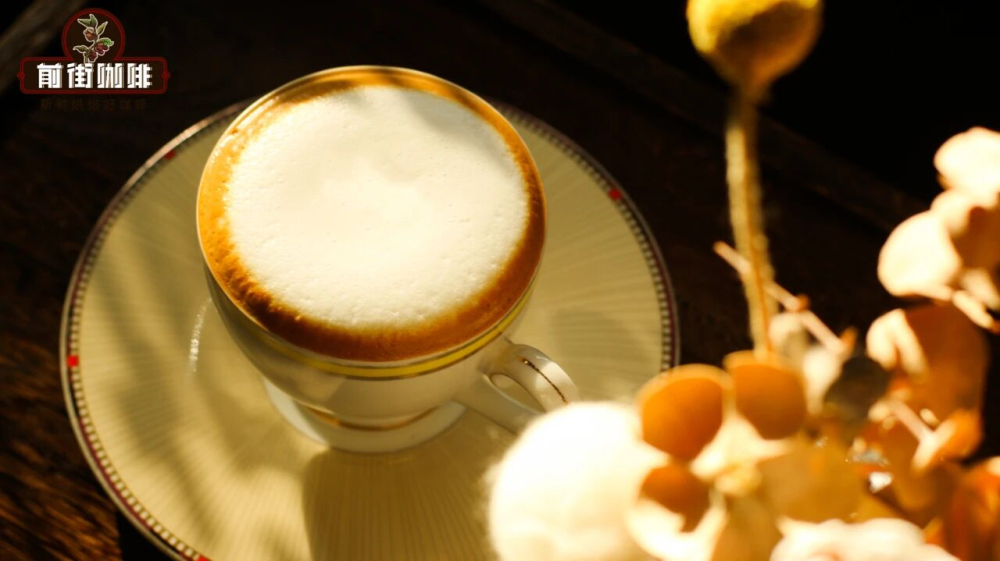
Compared with a latte, a cappuccino emphasizes balance among three elements—espresso, steamed hot milk, and milk foam each accounting for about one third. Its foam is relatively thicker, usually around 1-1.5 cm, which also makes it unsuitable for overly complex latte art; it is generally presented with etching or plain surface, focusing more on layering of texture.
The cappuccino has a richer taste with prominent coffee aroma, and the addition of milk foam gives the overall texture a soft, dense quality like cotton candy. For this reason, it is favored by drinkers who enjoy the true character of coffee. In addition, the name cappuccino is said to derive from the color of the robes of Italian Franciscan friars; its brown-and-white appearance resembles the friars' habits, hence the name.
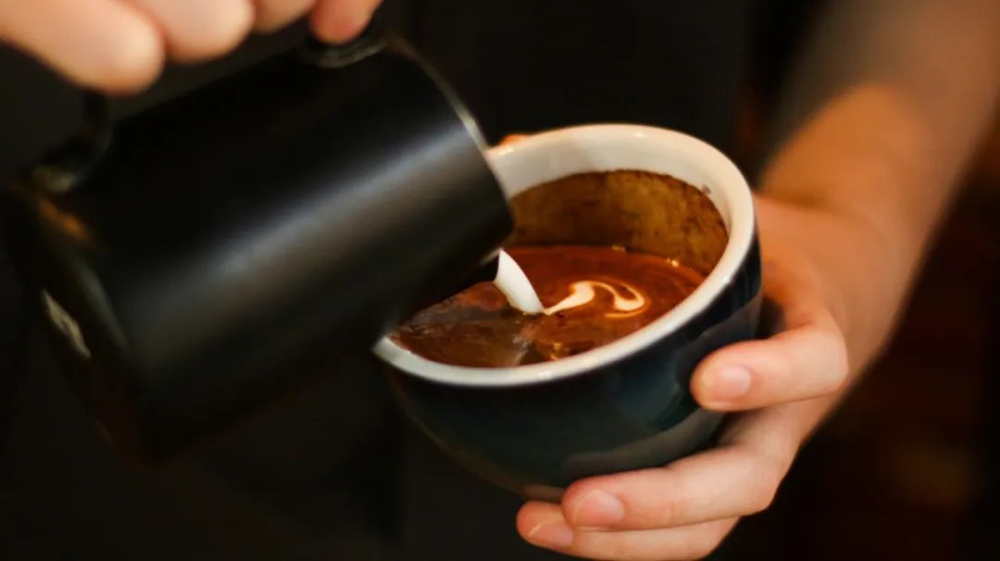
Latte Art Differences Between Latte and Cappuccino
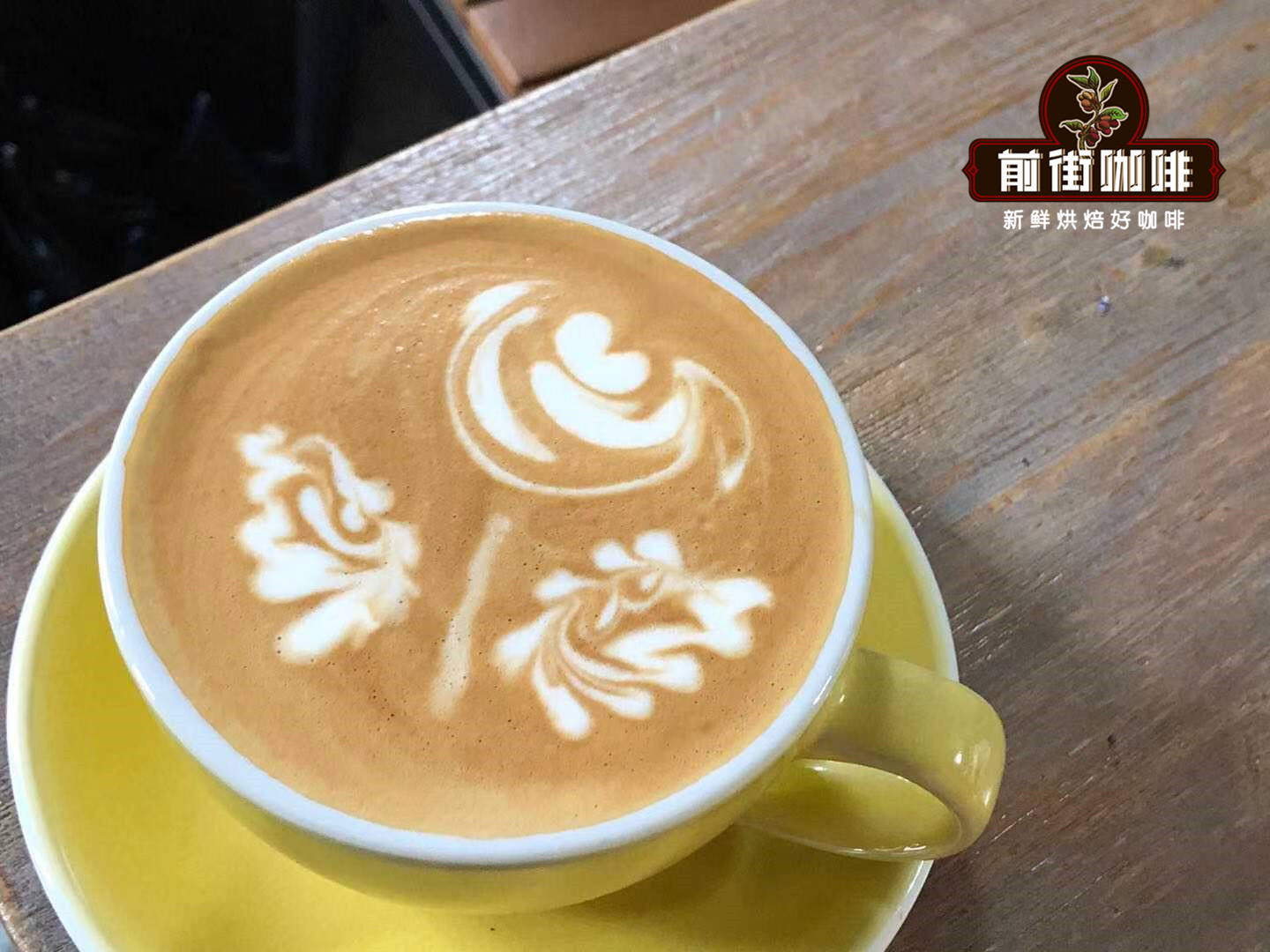
Observing latte art is one of the most intuitive ways to distinguish a latte from a cappuccino. Because a latte's foam is thinner (about 1 cm or less) and flows well, it suits finely patterned, smooth-lined latte art, which is why the term "Latte Art" came into being. Common patterns include hearts, leaves, and tulips.
In contrast, a cappuccino's foam is thicker and more tightly structured, making it hard to form delicate latte art patterns, so most cappuccinos are not given complex latte art, or only simple etched accents, with more emphasis on overall texture and flavor balance.
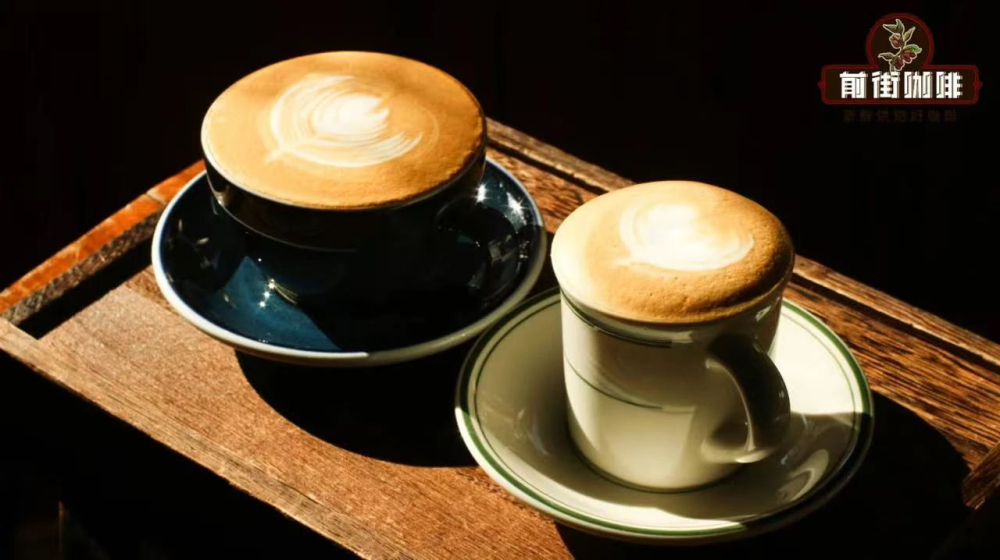
Flavor and Texture Comparison: Which Suits You Better?
If you prefer a rich milk aroma and mild coffee taste, a latte is a good choice. Its coffee proportion is lower, milk dominates, and the texture is smooth and gentle on the palate, making it very suitable with breakfast or as an everyday casual drink.
If you appreciate the aroma and flavor of the coffee itself more and want the coffee taste in your milk coffee to stand out, a cappuccino is more suitable. Its coffee, milk, and foam are balanced in proportion, the coffee flavor is more distinct, and the texture is layered, with every sip full of the coffee's richness and the foam's fineness.
When brewing, using the same coffee beans (for example, a blend mainly of Brazilian and Colombian beans, medium-dark roasted) lets you more clearly perceive the flavor differences the two drinks show due to their different ratios. The cocoa, caramel, and nutty aromas brought by espresso are softened by milk in a latte, while in a cappuccino they appear more three-dimensional.
History and Culture: From Italy to the World
Latte was at first simply "coffee with milk," and only after the invention of the steam-pressure espresso machine could this combination be controlled precisely in ratio, evolving into the modern latte. Its popularity is also inseparable from Italians' breakfast culture, and it is the first coffee of the day for many Italians.
Cappuccino appeared at almost the same time as latte, but due to its strict requirements for foam and ratio, it was once regarded as a more "technical" coffee. With the spread of specialty coffee culture, cappuccino has regained attention and become an important vehicle for showcasing baristas' skills and coffee quality.
It is worth mentioning that although mocha often appears on menus alongside latte and cappuccino, it is actually another type of coffee drink, usually containing espresso, chocolate sauce, milk foam, and fresh cream. It originated from the ancient coffee trade at the port of Mocha in Yemen and carries a unique blended flavor of chocolate and coffee.

How to Choose the Coffee That Suits You?
For friends new to coffee or partial to a milky texture, latte is a friendlier entry choice; if you pursue fuller coffee aroma and don't mind slightly stronger bitterness and richness, cappuccino better meets your needs. Understanding the differences among these classic coffees not only helps you make a more suitable choice in a café but also gives you clearer direction when trying to make them at home.
Whether it is the silky smoothness of a latte or the rich balance of a cappuccino, both are indispensable parts of coffee culture and represent people's different understandings of and pursuits in coffee flavor.